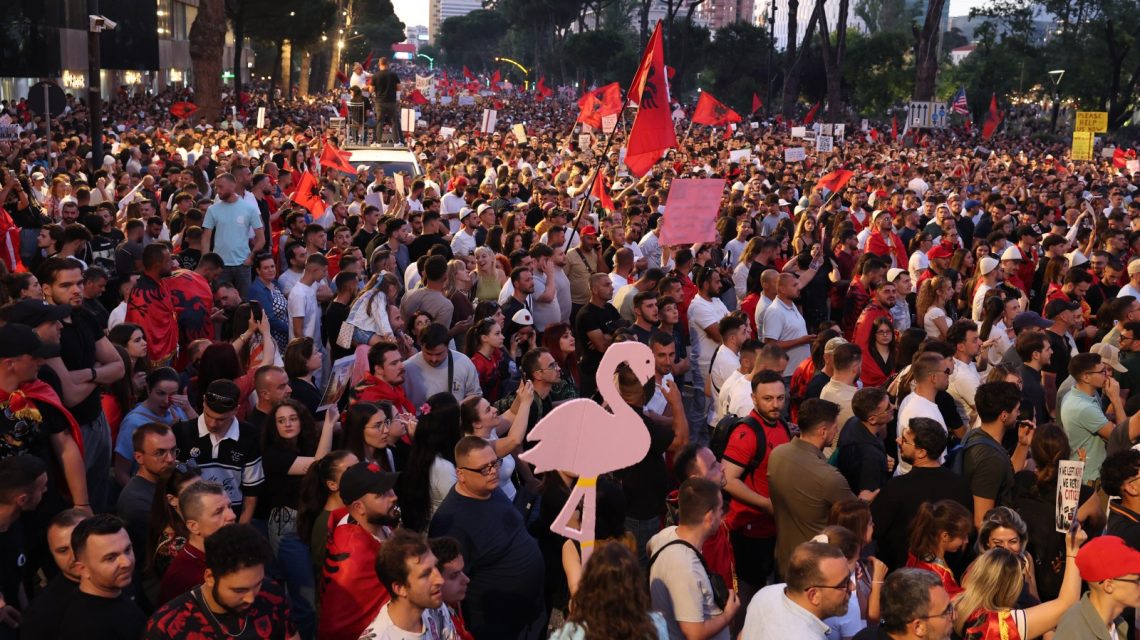
On the edge of a lagoon in southwestern Albania, a wooden footbridge connects to a small island where a 14th-century monastery stands resilient through the ages. This area, Zvërnec, is a protected wetland filled with migratory birds and represents one of Albania’s few remaining pristine coastlines. However, recent plans to develop a luxury resort there, associated with investments linked to Jared Kushner, have sparked significant public backlash. Residents’ anger is justified, but it reflects broader issues rather than merely opposing the resort itself.
The Kushner-led development proposal symbolizes not the root of Albania’s challenges, but a symptom of systemic issues. While such a project could enhance Albania’s global tourism profile, offering economic benefits given tourism’s 22% contribution to GDP, environmental concerns about Zvërnec deserve thorough, transparent public deliberation. Instead, the same troubling pattern emerged: laws quietly amended, governmental majorities pushing legislation through, and public voices silenced. This process, not the development itself, has triggered profound consequences.
Since ascending to power in 2013, Edi Rama’s government once pledged modernization and a clear path to EU integration. While notable infrastructure and urban advancements have been achieved, they’ve been overshadowed by corruption scandals involving governmental tenders and oligarch links. The establishment of the Special Structure against Corruption and Organized Crime (SPAK) confirmed many suspicions, leading to the arrest of former ministers, the former mayor of the capital city facing charges, investigations into senior officials, and taxpayer money tied to figures within Rama’s administration. For citizens, these aren’t isolated events, but symptoms of pervasive systemic issues.
Corruption concerns extend beyond mere malfeasance. Expensive infrastructure ventures, opaque concession deals, economic interest concentrations, and perceptions that political power favors select networks over public welfare have fueled discontent. Each new scandal only reinforces the public’s belief that genuine accountability is lacking, and institutions falter in providing oversight.
Albania’s crisis also stems from the opposition’s weaknesses. Sali Berisha, a central figure in the opposition, carries decades of political baggage. To many Albanians, he symbolizes the entrenched political system’s inability to deliver real change. Disputes around political influence and family interests, combined with a lack of compelling vision, further alienate citizens from both political entities.
This is the essence of current protests. While Albanians are disillusioned with governmental corruption, they’re equally frustrated by an opposition that has not offered a credible alternative. The political elite dominating Albania for decades no longer inspires trust.
The protesters rally not solely against figures like Jared Kushner or Trump, but due to governmental failures and an opposition unable to present a better option. They are seeking justice, accountability, and a governance system truly serving their interests.
What Albanians demand transcends mere governmental change; they seek systemic transformation. This sentiment mirrors a critical global democratic challenge: it is insufficient to bear the label of democracy; it must deliver genuine benefits. When citizens perceive their leaders as either incompetent or self-serving, the lure of populism grows, and authoritarianism emerges as a tempting alternative. Democracy doesn’t succumb to authoritarianism only in conflict but falters when failing its citizens.
Albania’s situation serves as both a warning and a hopeful sign—citizens who refuse to succumb, remaining in the streets, demanding improvement, and insisting that their democracy justify its name. This is not democracy in crisis—this is democracy struggling for its existence.
Rudina Hajdari, Acting Program Director at the Institute for Global Affairs, leads the International Democracy Fellowship. She has served as a member of the Albanian Parliament and participated in the U.S. House Foreign Affairs Committee. The Institute for Global Affairs is a nonprofit organization linked to Eurasia Group.
The views expressed within the article reflect the writer’s own perspective.
 The Threat of Melting Glaciers: A Call to Action
  Police Discover Ancient Roman Artifacts Off Sardinian Coast
  Urgent Need for Action in East Africa’s Food Crisis
  Suspected Plague Death in Siberia Sparks Health Measures
 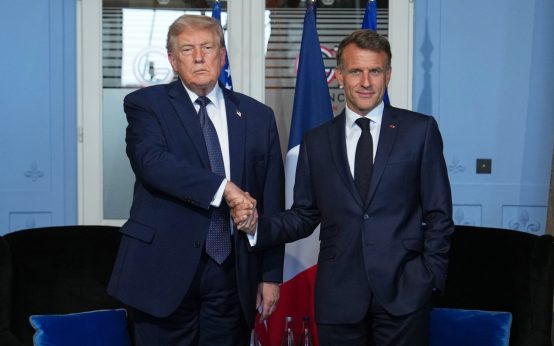 G7 Nations Agree to Release 100 Million Barrels of Oil Amid Fuel Price Surge
  Co-Pilot Attempts Hijack on Flight to Tel Aviv