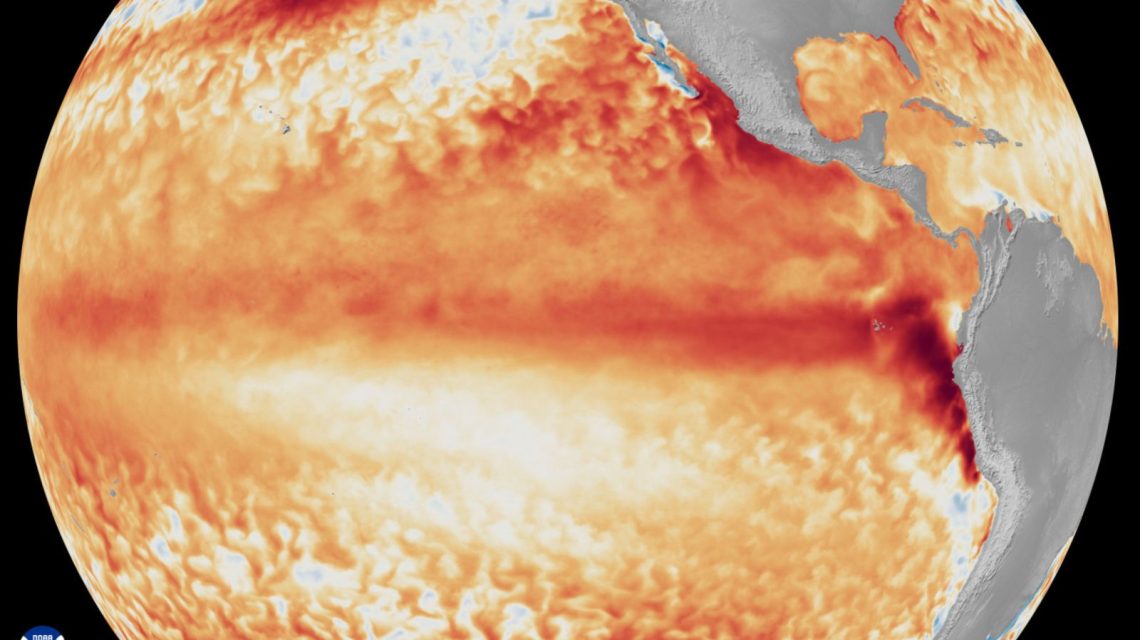
The El Niño climate pattern has emerged in the tropical Pacific, potentially becoming one of the most powerful events in 70 years, according to Australia’s weather bureau. The Bureau of Meteorology announced on Tuesday that both ocean and atmospheric conditions now confirm the presence of El Niño. This phenomenon is known for its abnormally warm sea-surface temperatures in the central and eastern Pacific Ocean.
Progression and Predictions
Forecasters predict the climate pattern will strengthen throughout the latter half of 2026. Several models suggest this event might be among the most intense since records began in 1950. The Bureau of Meteorology noted, “Forecasts are pointing towards a strong to very strong El Niño event, based on the extent of warming in the central tropical Pacific.” They indicated that half of the models suggest the event could peak at levels similar to the highest observed since the mid-20th century.
The agency forecasts that rainfall will be below average in parts of southern and eastern Australia from July to September. Temperatures are anticipated to be higher than usual across most regions, except in certain northern areas.
Impact on Australia
Australia is susceptible to El Niño’s effects, which often bring reduced rainfall and increased temperatures over large areas. The bureau warned that El Niño can heighten the likelihood of frosts and fires, affecting crops and livestock. As a significant exporter of wheat, sugar, and beef, Australia plays an important role in global food markets.
Australia’s last experience with El Niño from 2023 to 2024 led to the driest three-month period on record in some regions. A particularly severe event in 2015-2016 caused widespread drought, reducing grain and oilseed production.
The Bureau indicated that El Niño events generally last from six to 12 months; however, they can extend to two years. Current forecasts suggest this event could persist into 2027.
Effects on the United States
In the United States, El Niño impacts are most noticeable during winter. The Pacific Ocean’s warming shifts the jet stream, altering major storm tracks. This typically results in wetter and stormier conditions in the southern U.S. A southward-moving Pacific jet stream increases the likelihood of rain and mountain snow in California, the Southwest, the Gulf Coast, and parts of the Southeast.
While extra precipitation can replenish reservoirs and reduce droughts, it also raises the risk of flooding and mudslides in vulnerable areas. In contrast, the northern U.S. usually experiences milder winters with warmer temperatures, which decreases heating demand and the probability of extended cold periods.
The National Oceanic and Atmospheric Administration noted that El Niño affects the 2026 Atlantic hurricane season. Stronger upper-level winds tied to El Niño often suppress hurricane and storm formation in the Atlantic.
 U.S. Monitors Russian Plague Scare
  Poland Prepares for Potential Conflict
  Current Developments in the Iran Conflict and the Impact on Oil Markets
  Defeat Threatens Sánchez and His Leadership
  Tensions Surround Prince William and Prince Harry Amid Diana Anniversary Projects
  Realtor Arrested for Alleged Work as Unregistered Chinese Agent