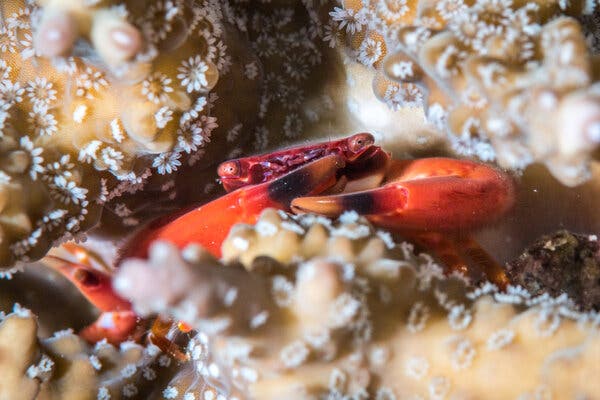
New research highlights areas worldwide where cooler currents and favorable conditions help shield coral reefs from global warming’s severe impacts. This finding offers a glimmer of hope amid widespread reef devastation caused by rising ocean temperatures.
Reporting from Nairobi, Kenya, Katharine Houreld shares that a small group of scientists discovered potential refuges for corals using artificial intelligence. These refuges benefit from cool currents, minimal sunlight exposure, and locations away from cyclone paths, enhancing their survival chances.
Presented at the Our Ocean Conference in Mombasa, Kenya, the study is under peer review for publication in the journal Environmental Research Letters. It involved five scientists who identified 42 factors leading to coral havens, known as refugia. Using these factors, they processed data from nearly 38,000 human observations of coral cover and composition collected over 65 years. This analysis identified over 5,800 square miles of climate-resilient ocean spread across 72 countries.
This research identified three times more refugia compared to the 2018 landmark 50 Reefs Study, which first systematically identified global areas where coral preservation remained possible. According to scientists and environmentalists, the new findings provide a more detailed understanding of the global reef situation and could refine conservation priorities.
“This study sharpens decades of work on reef resilience to climate change,” said David Obura, former chairman of IPBES, a global scientific panel on biodiversity. Though not directly involved in the research, he emphasized its importance in addressing the critical issue: whether climate refuges will occupy 10 percent, 1 percent, or even less of coral reefs’ former range.
Coral reefs play an essential role in ocean ecosystems. They support an estimated quarter of ocean species during their life cycles. These reefs are crucial for sustaining fish that provide protein to millions and for safeguarding coastlines from storms.
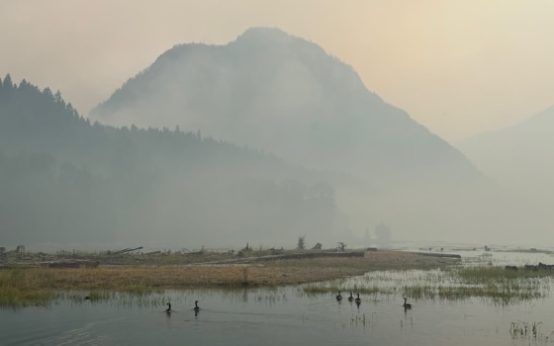 Wildfires Impact Washington and Oregon’s National Parks
  Hurricane Lala Intensifies and Heads Toward Hawaii’s Big Island
  Marathon Organizers Adjust to Rising Temperatures
 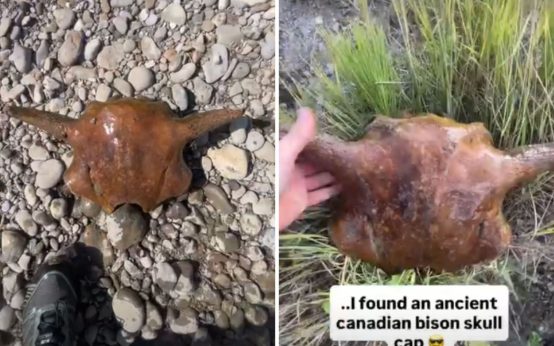 Rare Bison Skull Discovery in Alberta Raises Questions About Its History
 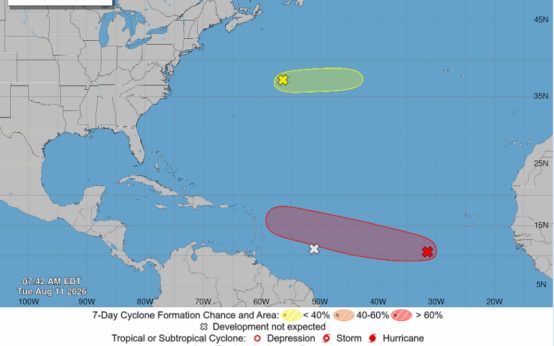 Atlantic Disturbance May Become Third Named Storm of 2026
 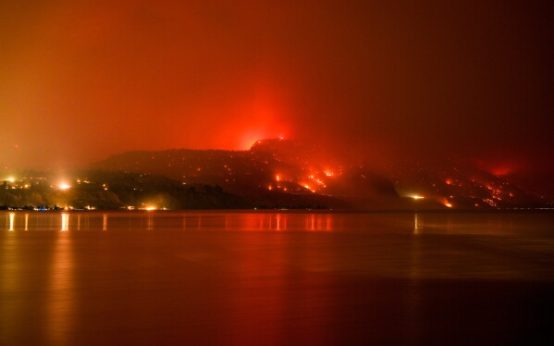 Canada’s Battle Against Wildfires Intensifies with Military Standby