
The process of reopening the Strait of Hormuz to normal traffic is fraught with challenges and uncertainties. This key maritime passage is currently the site of significant disruptions.
As of June 17, 2026, more than 500 vessels are stranded in the Strait, according to data from Kpler, a ship tracking organization. These stranded ships highlight the severe bottleneck affecting international trade in the region.
American officials are poised to sign an agreement aimed at terminating the conflict in Iran on Friday. However, even with a signed deal, global markets may continue to feel the impact. The anticipation of ongoing elevated fuel prices and shortages of essential goods such as fertilizers highlights the complexities involved in resuming normal operations.
The recovery period could extend over several months, impacting industries and markets worldwide as they adjust to the new realities and work towards restoring equilibrium.
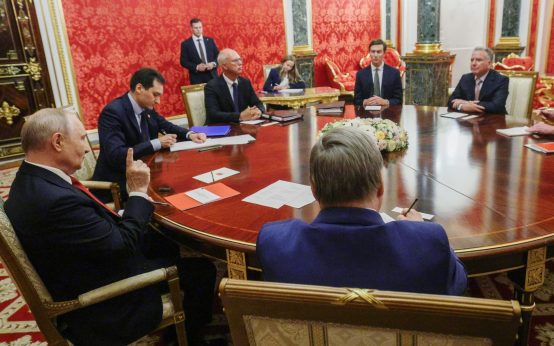 Russia Navigates Pressure and Diplomacy Amid Ongoing Conflict in Ukraine
  Tensions Rise Between U.S. Ambassador and South African President
  The Threat of Melting Glaciers: A Call to Action
  Police Discover Ancient Roman Artifacts Off Sardinian Coast
  Urgent Need for Action in East Africa’s Food Crisis
  Suspected Plague Death in Siberia Sparks Health Measures