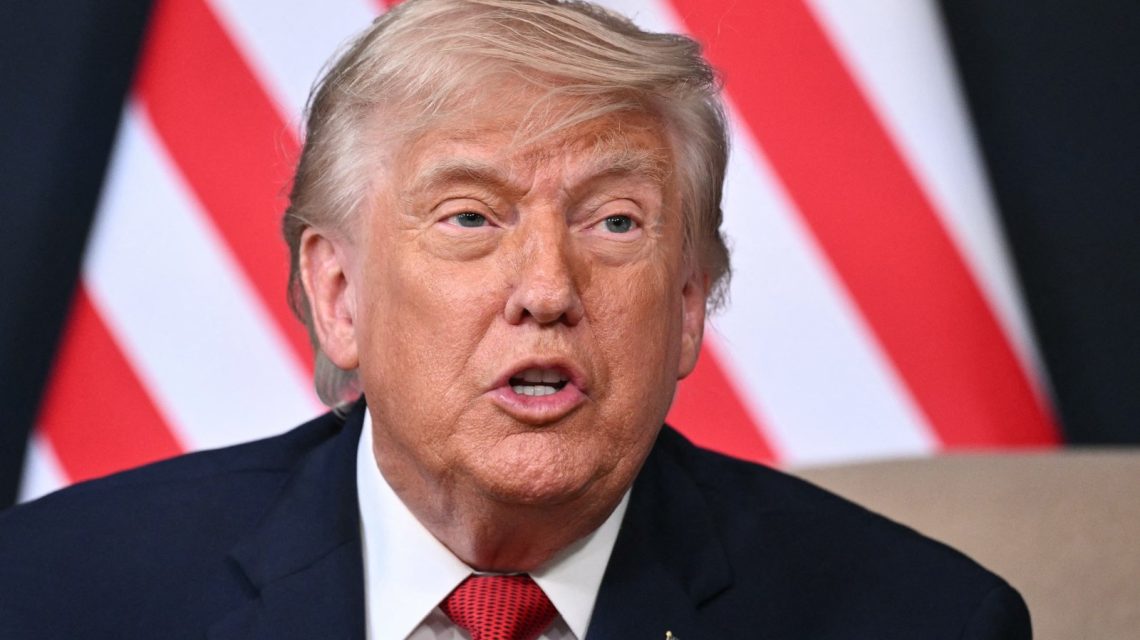
President Donald Trump has been clashing with Senate Republicans, creating obstacles to his legislative agenda on Capitol Hill. Analysts note that his actions, such as delaying Jay Clayton’s nomination for director of national intelligence (DNI) until the confirmation of his U.S. attorney pick for the Southern District of New York, are slowing progress.
Bill Pulte remains as acting DNI, which complicates efforts to reauthorize FISA Section 702, now lapsed. This is part of a broader pattern where Trump’s decisions create hurdles for his own plans. The president’s decisions, including an attempted anti-weaponization fund and a DOJ investigation into former Federal Reserve Chair Jerome Powell, have strained relations with Senate Republicans, hindering legislative advancement.
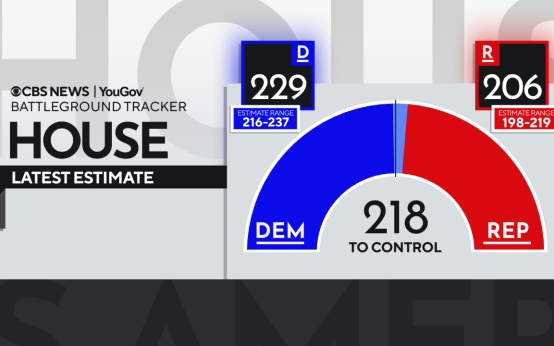
Approaching midterms increase urgency. Analysts suggest Trump and Republicans need to advance parts of his agenda while both chambers are under their control. With Democrats favored to regain the House of Representatives and the Senate being competitive, losing control would challenge Trump’s conservative policies.
“Pro-Trump unity in the GOP is beginning to splinter,” according to Mark Rozell of George Mason University. “Losing control of one or both legislative chambers will mean Republican members focus on their survival as Trump becomes a diminished, unpopular president.”
White House spokesperson Olivia Wales reaffirmed Trump’s position as the party leader committed to maintaining the Republican majority in Congress.
Halting Clayton’s Nomination
Trump announced on Truth Social that Jay Clayton’s nomination would halt until Jamie McDonald replaced him. This requires approval from Democratic New York Senators Chuck Schumer and Kirsten Gillibrand, plus Senate confirmation. Consequently, Pulte remains acting DNI.
Both parties have criticized Pulte’s appointment due to lack of national security, military, or law enforcement experience. His role in mortgage fraud accusations against Fed Governor Lisa Cook raised concerns. Democrats linked Pulte’s position to hesitation in renewing FISA Section 702.
“Bill Pulte is deeply unqualified and dangerous,” stated House Democratic Leader Hakeem Jeffries, citing his inexperience.
Complications With FISA Deal
Trump’s announcement complicates reaching a FISA deal. Senate leadership lacks votes for the SAVE Act, a nationwide election rules bill. Linking FISA to this bill increases difficulty. Section 702 allows U.S. intelligence to collect communications of foreign targets, even across American servers. Trump’s actions add tension to an issue routinely dividing Congress.
Costas Panagopoulos of Northeastern University noted, “Trump’s strongman approach might backfire because it needs fewer Republicans to block his legislative agenda.”
Senators’ Reactions to Trump’s Moves
Senator Richard Blumenthal accused Trump of creating chaos in intelligence, threatening national defense. Senator Rand Paul declined to comment on Clayton’s postponed nomination. Senator Chris Coons argued Pulte’s qualifications endangered safety, since his only relevant experience involves misuse of mortgage information.
Senator Tina Smith labeled Trump’s moves as a “huge diss” to Republican Majority Leader John Thune. Senator Tom Cotton expressed disappointment in postponing Clayton’s hearing, praising him as a patriot and suggesting a future confirmation.
Thune considered it’s a “good question” why Trump would cancel the hearing.
Impact on Trump’s Agenda
Trump’s decisions have strained relations with some Senate Republicans, slowing advancements on his agenda. He retreated on several issues, but tensions persisted.
DOJ Probe of Jerome Powell
An investigation into Powell delayed Kevin Warsh’s nomination. Senator Thom Tillis withheld support while the probe continued, citing independence concerns. DOJ dropped the probe, facilitating Warsh’s nomination.
Anti-Weaponization Fund
The DOJ proposed a fund for those allegedly targeted by investigations. This faced backlash, risking confirmation delays for acting Attorney General Todd Blanche. Former Attorney General candidates distanced themselves as Blanche dropped the fund.
Examining Trump’s Senate Strategy
Rozell noted some Republicans see Trump’s agenda as divisive amid midterm preparation. Belt observed, “The GOP often returns to Trump,” given shared voter bases. Yet, relations with Thune could deepen tensions, especially on the SAVE Act and filibuster issues.
Trump’s approval declines amid economic concerns, possibly leading to Republicans distancing from his policies.
“If pushed too far, some Republicans might slow his agenda, effectively delaying it,” Panagopoulos warned.
Decreasing national approval ratings, influenced by cost-of-living issues tied to the Iran war, risk reputation damage for Trump-aligned Republicans facing tight races.
Recent primaries showed some Republicans feeling less threatened by Trump. Former Senators John Cornyn and Bill Cassidy lost renomination after Trump-backed candidates prevailed.
Future Political Dynamics
Uncertainty surrounds congressional response to Trump’s hold on Clayton’s nomination. Midterm seat losses loom, complicating legislative actions. Rozell predicted a difficult Republican phase, with Democrats gaining tools to block Trump’s policies.
 Supreme Court’s New Term Tackles Climate Liability and Key Legal Battles
  Midterm Elections: A Potential Turning Point
  Andy Burnham’s Approach to Address UK’s Economic Stagnation
  Midterms 2026: Key Insights and Voter Perspectives
  Trump’s Influence on Executive Power and the Response
  George Clooney Observes Democratic Figures Ahead of 2028 Election