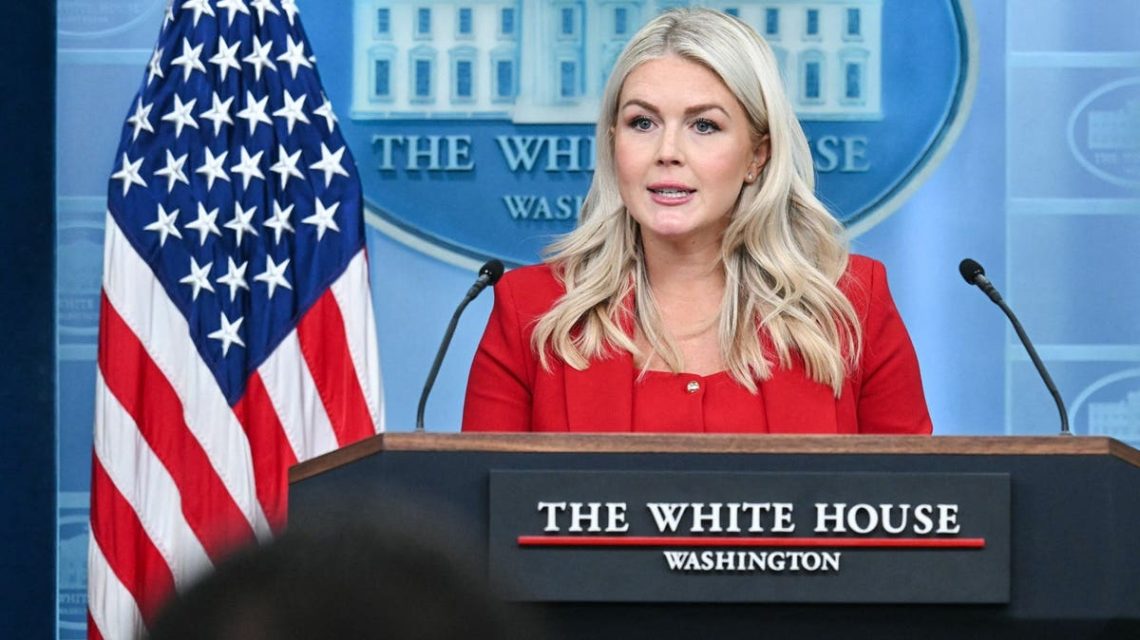
As White House press secretary Karoline Leavitt prepares to step down at the end of the month, her departure marks the end of a notable tenure in the 97-year history of the office. Her legacy lies in opening the briefing room to independent media.
Handling Communication Challenges
Leavitt displayed skill and composure as she represented President Donald Trump. Her ability to stay aligned with his communications, yet never overshadowed by his messages, was remarkable.
Leavitt exuded confidence, handling questions and criticisms with ease. Her humor, even when directed at reporters, rarely led to any hostility.
Revolutionizing Media Access
Leavitt’s noteworthy legacy includes welcoming small indie news outlets and social media influencers into the White House media ecosystem. Press conferences regularly began with questions from the “new media seat,” a practice initially criticized by traditional reporters.
Despite initial skepticism, this approach allowed new voices, with significant influence, to have direct access to the presidency.
Bridging New Media and Legacy Media
Though early attempts at providing comprehensive information were challenging, newer outlets often raised overlooked topics. Influencers, while sometimes mocked, maintain strong connections with their audiences.
Andrew Kolvet from Turning Point USA noted how Leavitt pushed legacy media to adapt while giving new media voices a platform to enhance their credibility.
Welcoming Diverse Voices
Leavitt brought attention to diverse reporters and activists, such as Andy Ngo and Nick Shirley, who highlighted significant issues and potential fraud cases.
By integrating these voices, Leavitt enriched the dialogue within the media landscape.
Enduring Impact
Leavitt’s efforts to open the White House press briefing room to independent and diverse media figures are likely here to stay. Regardless of future political shifts, removing these voices could be politically risky.
Her communication expertise mirrors those of notable predecessors, yet her lasting contribution is in democratizing media access at the White House.
Leavitt leaves behind a legacy of inclusivity, ensuring a broad spectrum of media voices continues to be heard in shaping public discourse.
 State Department Simplifies Passport Process with Online Applications
 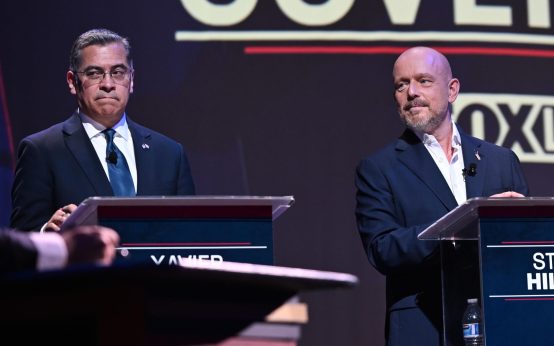 Becerra and Hilton Clash in California Gubernatorial Debate
  California Voters to Decide on $7.5 Billion State Research Fund
 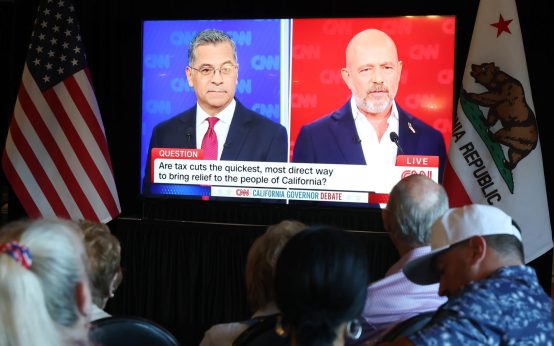 Highlights from the California Gubernatorial Debate: Becerra vs. Hilton
  Becerra vs. Hilton: The Debate and Key Issues in the California Governor Race
  Senate Confirms New Labor Secretary