Interest Rate Decision
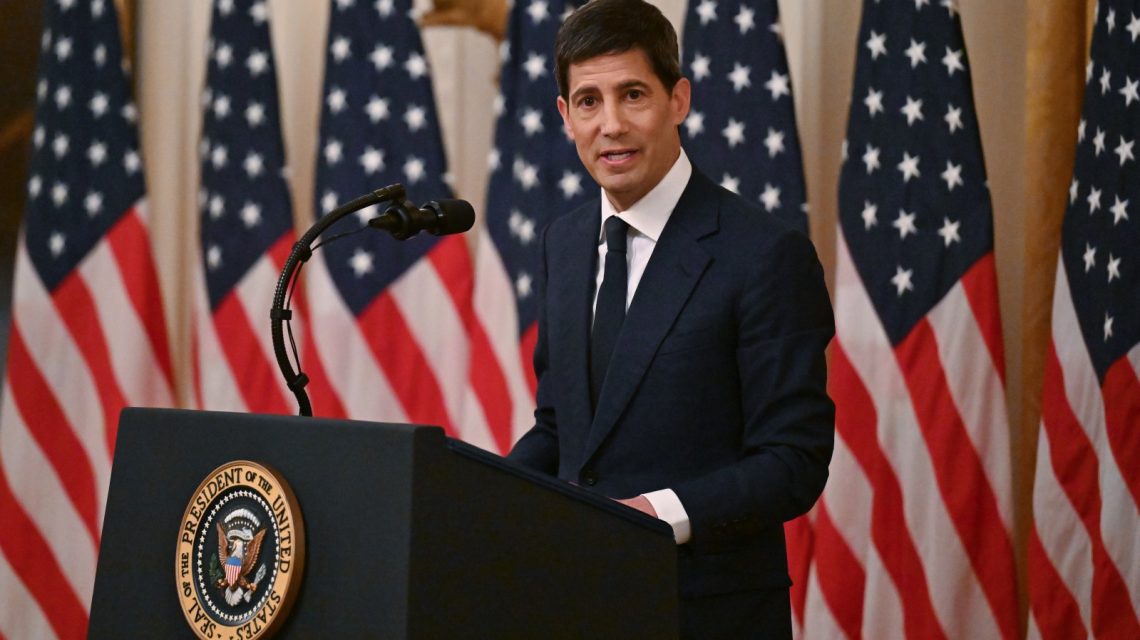
The Federal Reserve recently decided to hold interest rates steady. This marks the first significant action under the new chair, Kevin Warsh. His decision sets a precedent for the U.S. economy’s future, as policymakers grapple with inflationary pressures and economic uncertainty. Warsh will likely face scrutiny as Americans express concern over living costs and economic direction.
Half of the Fed’s decision-makers might support rate increases later this year. Nine of the 19 officials now favor higher rates, which contrasts sharply with previous forecasts. Six of these favor two quarter-point rises, driven by ongoing inflation issues.
The Fed’s benchmark interest rate affects borrowing costs across various sectors, including mortgages, credit cards, savings accounts, and auto loans.
While higher rates can cool inflation, they also increase borrowing costs. Conversely, lower rates may promote spending and growth but risk inflating prices. This decision carries weight due to its potential influence on markets and economic policy under Warsh’s leadership.
Economic Outlook
The Fed has largely held rates steady in 2026, following reductions in late 2025. Inflation reaching 4.2 percent complicates lowering borrowing costs. Despite challenges, the U.S. economy demonstrates resilience, evidenced by strong job growth and consumer spending amidst international tensions.
Drew Powers from Powers Financial Group emphasizes that zero percent interest rates don’t indicate a healthy economy. Borrowing should incur a cost.
Kevin Warsh’s First Press Conference
At his first press conference, Warsh announced five new task forces. They are designed to reassess central areas of monetary policy and examine practices to suggest improvements. He removed forward guidance from the official Fed statement, opting to focus purely on facts. Warsh reaffirmed the commitment to a 2 percent inflation target, stressing the unanimity among Federal Reserve members in this objective.
The Five Task Forces
- Fed Communications: This group will review how the Fed interacts with the public and markets, examining methods like press conferences and economic projections.
- The Fed’s Balance Sheet: It will assess the benefits, risks, and mechanisms of the Fed’s asset portfolio, proposing alternative frameworks for monetary policy.
- Use of Data Sources: Focuses on modernizing economic data collection methods.
- Productivity and Jobs: Evaluates economic impacts of technologies such as AI on employment and price stability.
- Inflation Frameworks: Investigates core drivers of inflation and proposes ideas to ensure price stability.
Impact on American Finances
The Fed’s decision may extend current elevated borrowing costs. Relief for consumers might be delayed. Expert Michael Ryan notes that unchanged rates signal continued inflation monitoring, maintaining pressure on those with floating-rate debt.
Despite Warsh’s dovish approach, lowering rates is challenging amid current inflation. Melissa Cohn suggests waiting to see Warsh’s stance on rate adjustments.
Warsh’s Views on Inflation
Warsh has mixed views on inflation and interest rates. Known as an inflation hawk during past financial crises, he has also criticized the Fed for delayed rate cuts. He emphasizes the importance of price stability and growth support.
His flexible stance affects how markets perceive his potential action on policy adjustment.
Consumer Sentiment
Despite economic growth, public sentiment remains weak. Data show 44 percent of Americans feel financially worse off than a year ago. Inflation is a top concern, complicating economic perception.
Ryan highlights that the Fed rate impacts various financial aspects differently, such as credit cards and mortgages.
Upcoming Rate Decisions
The Fed convenes eight times annually. The latest meeting occurred in June 2026, with the next planned for July. Decisions are announced on the final day, followed by a press conference.
Future decisions depend on inflation and economic growth indicators. Increased interest rates could further impact affordability concerns, particularly for credit-dependent consumers.
 Rahm Emanuel Advises Against Impeaching Trump and Calls for Ethics Reforms
  Rahm Emanuel Discusses Potential Presidential Run and Jewish Identity
  JD Vance’s Influence Grows as 2028 Speculations Arise
  Laura Ingraham Criticizes Democratic Policies on ICE and Immigration
  Jay Clayton Appointed as White House AI Czar
  Debate Over Democratic Socialism Intensifies Within Democratic Party