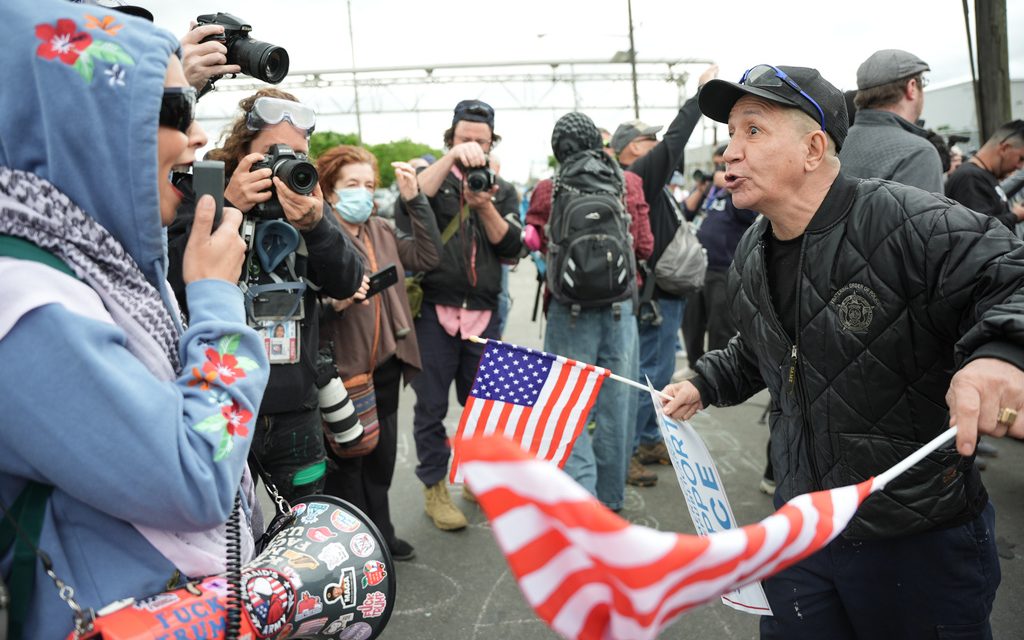
Protesters in support of Immigration and Customs Enforcement agents faced off against counter-protesters outside the Delaney Hall detention center on May 30, 2026, in Newark, New Jersey. This event underscores broader societal tensions.
Recent research by the Marquette Law School Poll highlights a sharp generational decline in trust across the United States. Older Americans, especially those born before 1960, typically trust their neighbors not to wrong them. They represent the most trusting group in the country. However, each successive generation exhibits more distrust, with those born in the 2000s displaying the highest levels ever recorded.
This shift in attitude is stark. Many young adults now view others as potential threats. The situation is deteriorating. A Pew Research Center survey involving 25 countries found that Americans not only distrust each other more but also view fellow citizens as morally deficient. Fifty-three percent of U.S. adults believe that the average American has poor morals and ethics.
This perception poses significant challenges. A society struggles to thrive when its members lose faith in each other’s decency. Morality acts as unseen software, guiding human interactions and preventing societal chaos. Without it, the social contract becomes strained.
Acknowledging an opposing viewpoint as mistaken allows for dialogue. However, considering the other side irredeemable hampers any chance of compromise. This introduces a destructive moral panic, fueled by contempt.
Since 2015, starting with President Trump’s campaign, American political sentiment has morphed from anger to deep disdain. This evolution mirrors John Gottman’s research on failed marriages, where contempt signals an end. Contempt is described as a toxic mix of hostility and ridicule, placing one’s moral standing above another’s.
America reflects a vast web of interpersonal relationships, akin to a giant marriage fraught with division. Right now, this national ‘marriage’ appears fractured, with partners metaphorically sleeping in separate rooms and wishing harm upon each other.
Incentives perpetuate this cycle of animosity. Media algorithms, political fundraising, and cultural influencers all profit from stoking contempt. Unity doesn’t generate revenue like division does. A divided population forms predictable voting blocks and lucrative markets.
Political campaigns thrive on portraying the opposition as civilization’s end. The current younger generation, exposed to these dynamics, matures in a world where collaboration isn’t the norm but rather discord.
The Marquette data provides a glimpse into the near future. Distrust leads to contempt, contempt erodes relationships, and damaged relationships ensure an enduring state of disdain. The U.S. increasingly reflects a nation divided by psychological divides as much as by physical borders.
John Mac Ghlionn is a writer and researcher focused on societal, cultural, and technological impacts.
 The Trump Team’s Challenge to the Military Leadership
  Maryland First State to Restrict Electronic Pricing in Grocery Stores
  Activists Push for Nationwide Ban on Child Marriage in the U.S.
 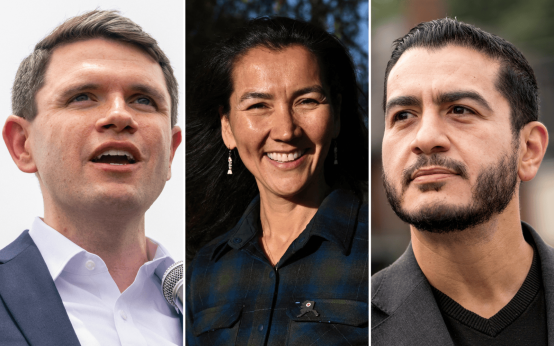 Democratic Hopes and Historical Warnings in 2026 Senate Race
  Republicans Face Challenges Amidst Cost of Living Concerns
  A Different Kind of Fall for Congress This Year