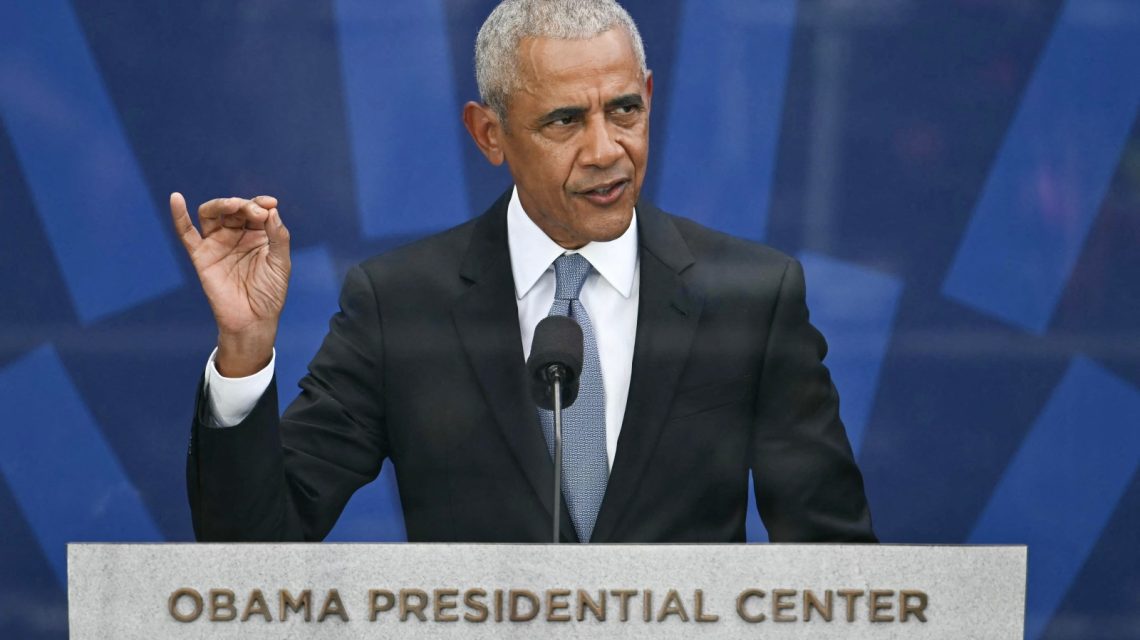
Former President Barack Obama expressed satisfaction with President Donald Trump’s success in securing a ceasefire with Iran. He warned, however, that the United States might be in a weaker position despite months of military engagement. Obama shared his views during an interview with NBC’s Today that aired Friday. While he welcomed the halt in fighting, he questioned the ultimate achievement of the war and whether it justified its costs. As the Trump administration moves toward broader negotiations with Tehran, Obama’s comments reflect his hopes for a durable ceasefire.
Obama’s Perspectives on the Ceasefire
Obama’s remarks on the ceasefire are among his most direct assessments of the conflict since tensions between the United States, Israel, and Iran escalated earlier this year. His comments highlight the debate over the necessity of the conflict and its outcomes compared to the diplomatic efforts of his administration. Obama noted that the war’s costs were substantial. He questioned whether it left the U.S. in a better position or, as he suggests, “maybe a little bit worse off.”
Assessing the War’s Results
Opinions on the war’s outcome vary. Some experts say Iran suffered significant military and strategic setbacks, impacting key military assets. Retired U.S. Navy Admiral James Stavridis noted the war’s limited positive results for the U.S. Others argue Iran survived the military campaign and returned to negotiating without regime change, gaining a political advantage. Mark Cancian from the Center for Strategic and International Studies suggested that while the U.S. conducted thousands of strikes, the outcomes may be unclear due to Iranian information suppression.
Revisiting Obama’s Iran Nuclear Deal
Obama’s statements refocus attention on the 2015 Iran nuclear agreement, the Joint Comprehensive Plan of Action (JCPOA). During his presidency, this accord restricted Iran’s nuclear program in exchange for sanctions relief. Supporters assert that it successfully constrained Iran’s nuclear efforts and involved international monitoring. Trump withdrew from the JCPOA, arguing it did not stop Iran’s nuclear ambitions permanently. Following this, Iran increased its uranium enrichment. Obama emphasized that many issues currently negotiated had previous resolutions within the JCPOA.
Republican Opinions on Iran Policy
Within the GOP, Trump’s Iran strategy sparks division. Some Republicans criticize the emerging agreement, like Senator Bill Cassidy, who labeled it a foreign policy error. Others support Trump’s approach, with Senator Lindsey Graham backing Trump’s assessment of Iran’s weakened state. Graham encourages diplomatic solutions to Iran’s nuclear ambitions, warning that abandoning diplomacy could present stark choices.
Future Prospects and Challenges
While the ceasefire pauses hostilities, questions linger regarding Iran’s nuclear program and the sustainability of any final agreement. Regional tensions remain, evidenced by Israeli strikes in Lebanon, raising doubts about peace efforts. Obama and Trump seem aligned on avoiding a return to open warfare, even as debates over strategic success and unresolved security concerns in Washington continue.
 The Trump Team’s Challenge to the Military Leadership
  Cargo Plane Crash at Miami International Airport
  Maryland First State to Restrict Electronic Pricing in Grocery Stores
  Activists Push for Nationwide Ban on Child Marriage in the U.S.
  Marine Veteran Suing Oregon School District Over Curriculum Reimbursement
  Democratic Hopes and Historical Warnings in 2026 Senate Race