A well-funded super PAC named Leading the Future is making substantial financial contributions to elect candidates supportive of artificial intelligence. With the November midterm elections approaching, the group is focusing its efforts on Senate and House primaries in several states.
Leading the Future is committing $2 million to influence Senate races in Louisiana, Montana, and Oklahoma, with $1.5 million allocated for immediate use. The super PAC is supported by industry leaders, including Greg Brockman, the president of OpenAI, and venture capitalists such as Marc Andreessen and Ben Horowitz.
The PAC also plans to spend $750,000 on upcoming House primaries in California and Washington state. The decision to ramp up spending comes after achieving victories in primaries in North Carolina, Texas, Illinois, and Georgia, where the group backed candidates opposing fragmented state AI regulations.
Targeted Primaries and Key Endorsements
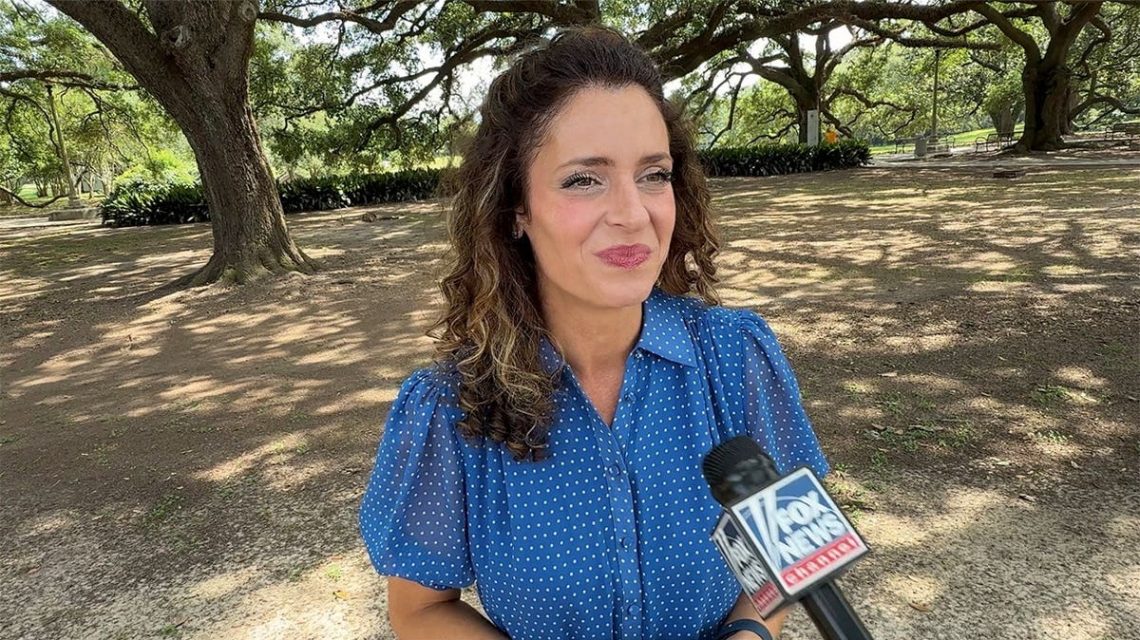
In Louisiana, the group supports Republican Rep. Julia Letlow, seeking the GOP Senate nomination against state Treasurer John Fleming in a bid to replace outgoing Republican Sen. Bill Cassidy. Cassidy was eliminated after finishing third in the primary, with Letlow positioned as a frontrunner for both the nomination and the general election.
Montana sees Leading the Future endorsing former U.S. Attorney Kurt Alme for the Senate seat of retiring GOP Sen. Steve Daines. Oklahoma’s race involves the PAC backing Rep. Kevin Hern, who aims to complete the term of former Sen. Markwayne Mullin.
Other beneficiaries include Republican Rep. Jay Obernolte in California’s 23rd Congressional District and Angela McKinney in Washington state’s 4th District. Both California and Washington conduct nonpartisan ‘jungle’ primaries, advancing the top two finishers.
Financial Strength and Strategic Goals
Leading the Future raised more than $125 million in 2025, with $70 million reported in their reserves at the start of the year, alongside a $25 million boost in early 2026. The group focuses on cultivating pro-innovation leaders in Congress, as noted by co-strategist Zac Moffat.
Efforts to block candidates favoring more industry regulation and the influence of AI money in shaping political primaries are increasing, with a particular emphasis on opposing New York state legislator Alex Boros.
AI Regulation and Public Opinion
The Trump administration aims for a unified federal AI framework, opposed to stringent state regulations, to maintain a competitive edge over China. Despite these intentions, public concern about AI’s societal impact, job displacement, and privacy issues persists.
Recent Fox News polling indicates skepticism about AI, with negative perceptions in areas such as privacy and job creation. While Republican supporters tend to favor AI, Democrats and independents often express more concern.
The outlook on AI remains divided, as both political and public realms grapple with the benefits and drawbacks of technological advancements.
 New Jersey Voter Fraud Prompts Renewed Push for SAVE Act
  Concerns Over Changes to Voter-Registration Form for Americans Abroad
  Trump’s 2024 Campaign Targets Young Men Through Cryptocurrency
  Trump’s White House Visitor Center Proposal Gains Bipartisan Support
  State Department Simplifies Passport Process with Online Applications
  Becerra and Hilton Clash in California Gubernatorial Debate