
The United States and Iran have initiated discussions aimed at permanently ending their conflict. These negotiations began on Sunday and are set to accomplish a more extensive agreement within the next 60 days. However, the ongoing Israel-Hezbollah conflict in Lebanon poses a risk of disruption to these talks. A primary focus of the discussions is Iran’s nuclear program.
Key points requiring resolution include sanctions relief for Iran and the establishment of a $300 billion reconstruction fund. Additionally, the talks will address the passage of ships through the strategic Strait of Hormuz, an essential route for the global oil and gas market. The discussions might also cover Iran’s ballistic missile program.
Lifting Sanctions and Unfreezing Assets
The recent framework agreed upon by the United States and Iran paves the way for unfreezing Iranian assets worth billions and easing severe sanctions imposed on the country. This issue is expected to be tackled “immediately” during the negotiations.
Iran, having suffered significant economic strain due to prolonged sanctions and the impact of a three-month-long war, prioritizes the unfreezing of overseas assets as a crucial objective in the current negotiations.
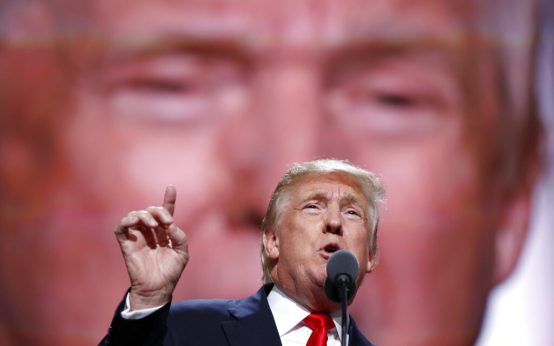
The United States holds significant leverage with its capacity to provide financial relief to Iran. President Trump has indicated that sanctions could be lifted once Iran demonstrates acceptable behavior, implying that such relief wouldn’t be immediate.
These talks represent a delicate yet crucial step toward resolving the longstanding tension between the United States and Iran.
 Sen. Cotton Opposes Permanent Daylight Saving Time
  Steve Hilton’s Latino Outreach and Gubernatorial Ambitions
  The Need for Reform in Presidential Nominations
  Controversy Surrounds Performances at Gillette Stadium
  Celebrity Controversies Over Political Activism and Speech
  The Threat of Melting Glaciers: A Call to Action