
Morning Pain: Causes and Prevention
Waking up with sore muscles or stiffness often results from poor sleep posture at night. Medical experts emphasize the importance of sleep posture to prevent morning discomfort.
Ellen Wermter, a nurse practitioner from Restorative Sleep Medicine, explains that sleeping in awkward positions can create gaps between your body and mattress. These gaps can lead to muscle tension, inflammation, and pain.
Sleeping Positions and Their Impact
Adapting your sleep position can minimize morning aches. Sleeping in a position that mirrors your standing posture reduces muscle strain and pain.
Your body should form a straight line from head to tailbone. Ensure ears align with shoulders, and shoulders with hips, while keeping your chin level. Symmetry in arm positioning aids circulation.
Back sleepers might find it easier to maintain this posture. Side or stomach sleepers may need to adjust their sleep setup for better alignment.
Why Avoid Sleeping on Your Stomach
Sleeping on your stomach can lead to neck, back, and shoulder aches due to improper spinal alignment. It often leads to fragmented sleep from frequent position changes.
Stomach sleeping can overextend the neck while finding breathing room. Consider pillow height to maintain proper alignment.
Choosing the Right Pillow
Dr. Fabian Morales advises selecting a pillow that supports the spine for restful sleep. Here’s what to consider:
- Back sleepers: Opt for medium-firm pillows that support neck curvature.
- Side sleepers: Measure from neck bend to shoulder edge for ideal loft.
- Stomach sleepers: Avoid high-loft pillows or skip pillows for better alignment.
Replace pillows every few years or when they lose structure to avoid aches from dust accumulation or support loss.
Supporting Gaps with Pillows
Small pillows, blankets, or towels can support spine alignment and relieve pain.
- Back sleepers: Address gaps at your lower back or knees.
- Side sleepers: Use a pillow between knees or a body pillow to reduce hip pressure.
- Stomach sleepers: A thin pillow beneath hips may reduce back strain.
Choosing the Right Mattress
Assess your mattress quality regularly, replacing it every seven years maximum. A too-soft mattress allows misalignment, while a too-firm one causes painful gaps.
Pain Relief Remedies
If morning pain persists despite proper sleep setups, Dr. Charla Fischer recommends exploring simple remedies.
Over-the-counter medications, massages, stretching, or using ice and heating packs can help alleviate pain.
Additionally, a hot shower can soothe muscle pain effectively.
Contact medical professionals if persistent pain lasts over a week or you experience numbness, tingling, or weakness.
This article was edited by Malaka Gharib, with visual edits by Beck Harlan. Feedback and inquiries can be directed to [email protected].
 Increased Funding Needed for Psychiatric Hospitals
  Trump Administration Distributes ACA Refund Checks
  Higher Consumption of Ultra-Processed Foods Linked to Increased Health Risks
  Understanding Inflammation: Myths and Facts
 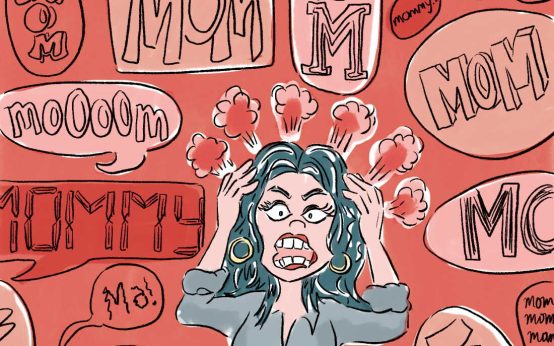 Calm Parenting: Strategies to Manage Stress
  Trump’s Executive Order to Combat Mosquitoes and Ticks in D.C.