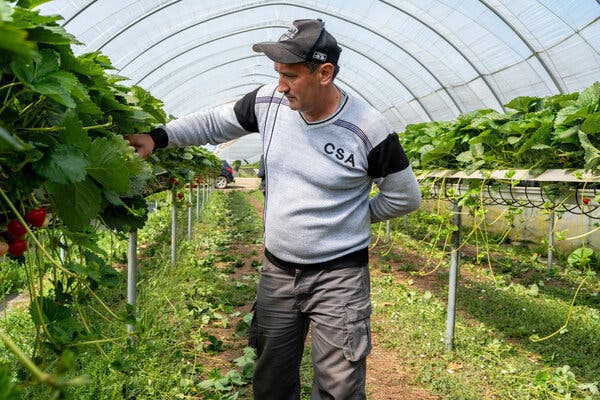
Ten years after Brexit, the majority of Britain’s seasonal agricultural workers are now coming from countries like Kyrgyzstan and Tajikistan. Agricultural leaders warn that farms would suffer without these workers.
Shukrat Djuraev, working far from his home in Bukhara, Uzbekistan, is not an exception. He mentions his preference for working in Kent, England, due to its calm and steady environment. This highlights a shift in labor sourcing since Britain left the European Union.
Prior to Brexit, many farm workers originated from Eastern Europe. Post-Brexit, these workers lost the right to work in Britain, leading many to assume a reduction in foreign labor. However, to address labor shortages, Britain has turned to Central Asia for seasonal workers. These workers are granted entry on six-month visas.
Immigration significantly influenced the Brexit referendum. Brexit proponents promised control over Britain’s borders. A decade later, immigration remains a pressing political issue, now impacting the Labour Party.
Nigel Farage, a prominent Brexit advocate, continues to influence British politics through his anti-immigration party, Reform U.K. The party has gained political traction, leading to pressure on the Labour Party and the resignation of Prime Minister Keir Starmer.
 Defense Secretary Emerges as Key Player in the Trump Administration
  Hegseth’s Vision for the Military: Balancing Tradition and Innovation
 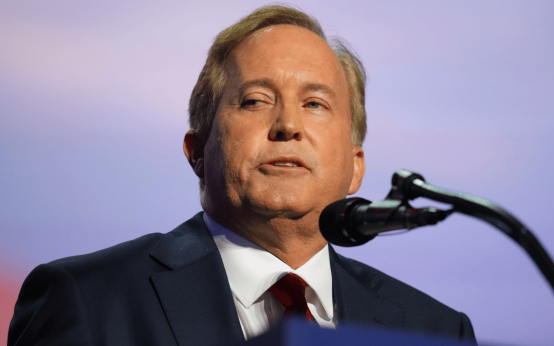 Significant Funding Boosts Ken Paxton’s Texas Senate Campaign Amid Tight Race
 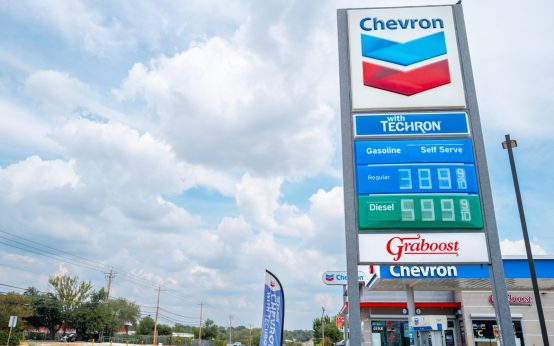 U.S. States Extend Gas Tax Waivers Amid Rising Fuel Costs Due to Iran Conflict
  USCIS Raises Immigration Fees
 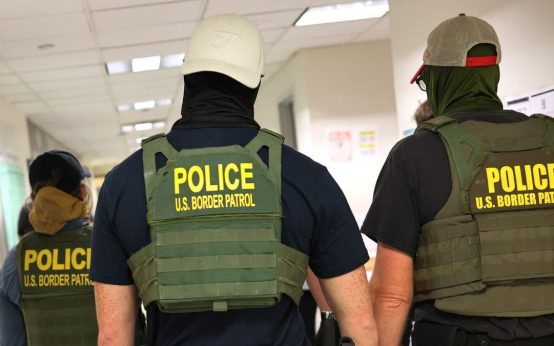 The Surveillance Threat to U.S. Federal Agents