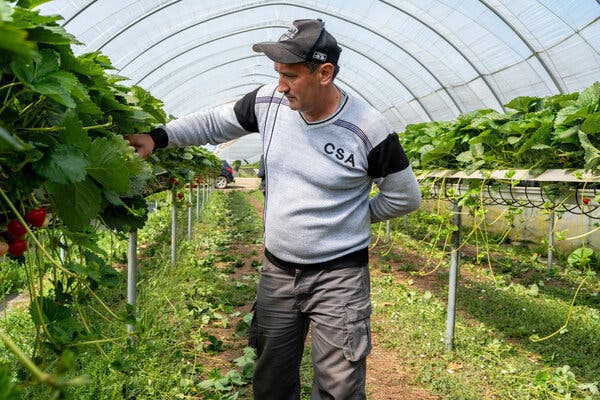
Ten years after Brexit, the majority of Britain’s seasonal agricultural workers are now coming from countries like Kyrgyzstan and Tajikistan. Agricultural leaders warn that farms would suffer without these workers.
Shukrat Djuraev, working far from his home in Bukhara, Uzbekistan, is not an exception. He mentions his preference for working in Kent, England, due to its calm and steady environment. This highlights a shift in labor sourcing since Britain left the European Union.
Prior to Brexit, many farm workers originated from Eastern Europe. Post-Brexit, these workers lost the right to work in Britain, leading many to assume a reduction in foreign labor. However, to address labor shortages, Britain has turned to Central Asia for seasonal workers. These workers are granted entry on six-month visas.
Immigration significantly influenced the Brexit referendum. Brexit proponents promised control over Britain’s borders. A decade later, immigration remains a pressing political issue, now impacting the Labour Party.
Nigel Farage, a prominent Brexit advocate, continues to influence British politics through his anti-immigration party, Reform U.K. The party has gained political traction, leading to pressure on the Labour Party and the resignation of Prime Minister Keir Starmer.
 New Jersey Voter Fraud Prompts Renewed Push for SAVE Act
  Concerns Over Changes to Voter-Registration Form for Americans Abroad
  Trump’s 2024 Campaign Targets Young Men Through Cryptocurrency
  Trump’s White House Visitor Center Proposal Gains Bipartisan Support
  State Department Simplifies Passport Process with Online Applications
 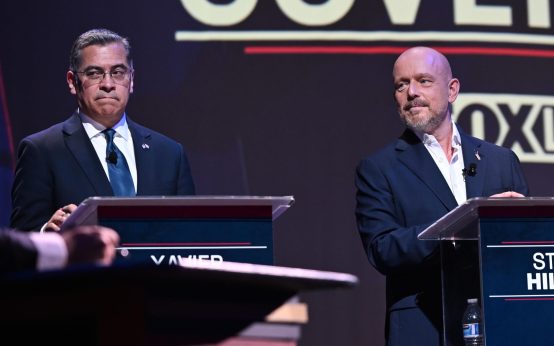 Becerra and Hilton Clash in California Gubernatorial Debate