Four years after the Russian invasion of Ukraine, many individuals who lived in institutional settings remain missing. Despite the passage of time, families continue their search for answers.
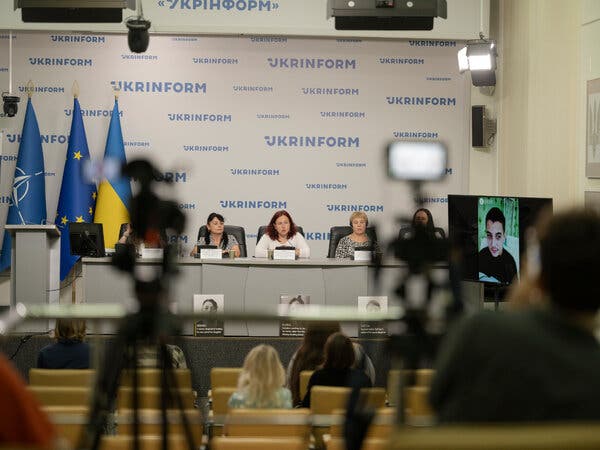
Hanna Zamyshliaieva, whose severely disabled son disappeared in southern Ukraine shortly after the invasion, is one of the many distressed relatives. Alongside two other women who also have loved ones missing from residential schools and institutions, she remains resolute in her quest for information.
I am here to fight for the return of my child. I don’t know where my son is, what’s going on with him, what condition he is in, and if he’s still alive,said Ms. Zamyshliaieva.
Appearing at a news conference in Kyiv, these women highlighted their cases. Their family members, all around their twenties, were last known to be in a specialized residential care home in Oleshky, a town in the Kherson province, when Russia initiated its full-scale invasion in 2022. They were moved without any notification to their families, according to the women.
The issue of deportation by Russia, involving not only adults but children as well, remains an unresolved point of conflict in the ongoing war. Ukrainian authorities claim that 19,500 Ukrainian children were forcibly transferred or deported following the invasion. This deportation included areas where schools and other institutions were present.
The forced removal of some Ukrainian children to Russia led to a war crimes arrest warrant by the International Criminal Court against Russian President Vladimir V. Putin and Maria Lvova-Belova, one of his aides.
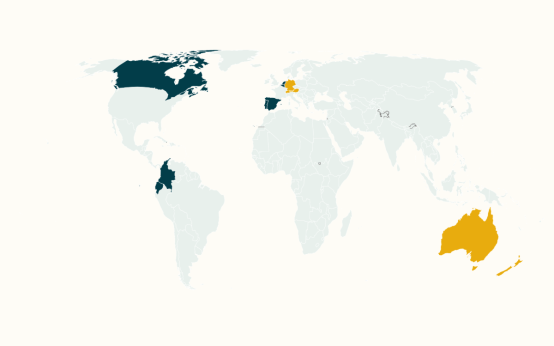 Dutch Review Board’s Euthanasia Ruling and International Debate
  Israeli PM Commends Heroic Actions in Flight Emergency
 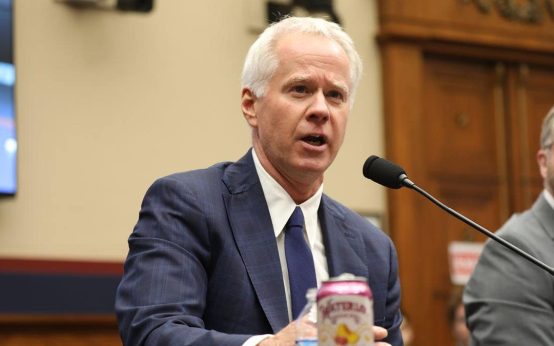 Patrick McEnroe Advocates for Collegiate Athletic Reform
 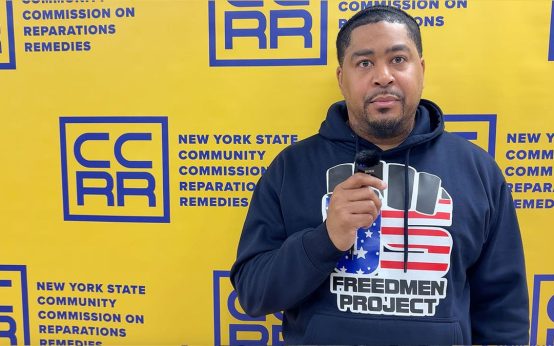 Push for Reparations Faces Challenges and Calls for Strict Eligibility
  Texas Man Arrested for Threatening State Capitol Attack
  Rabbi and Jewish Leaders Criticize Adam Brody for ‘Genocide’ Comment