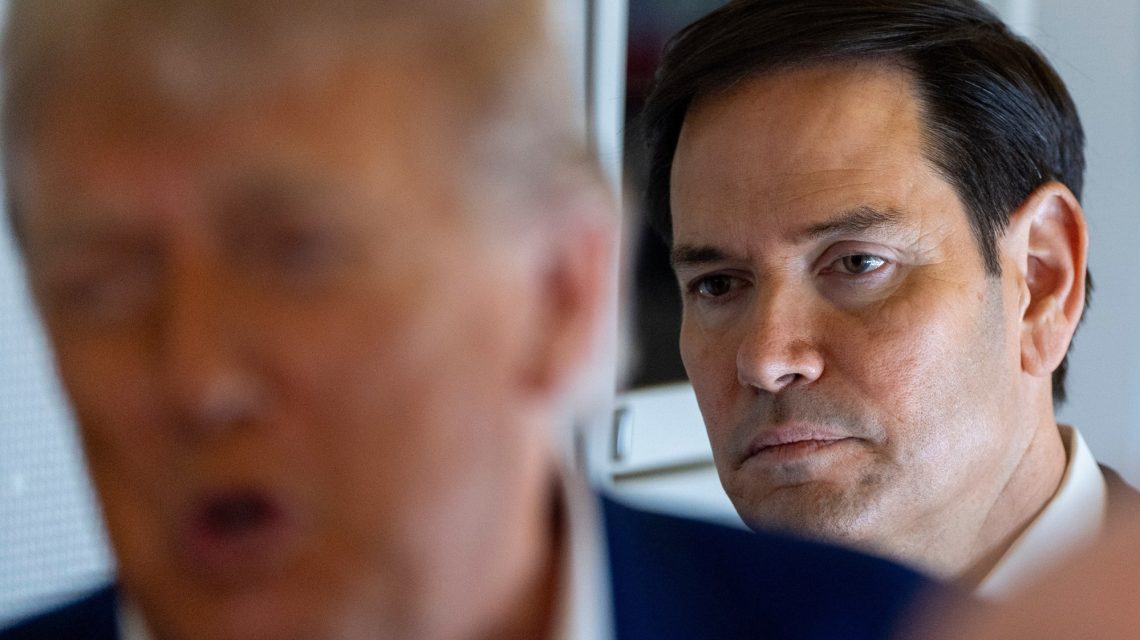
Marco Rubio, serving as Secretary of State under President Donald Trump, faces significant challenges. Once regarded as a conservative intellectual, leading the Department of State was expected to be a milestone for Rubio. Historically, the State Department has been America’s diplomatic engine, a key player in foreign policy, and a stepping stone to the presidency. However, under Trump, the department’s core functions have weakened, leaving it a mere executor of a potentially harmful global agenda.
Over 2,000 career diplomats have been laid off or exited during Trump’s second term. When considering Trump’s first term, the department lost approximately 20% of its workforce. Rubio’s limited presence and influence in critical discussions have highlighted this department’s decline. The Iran conflict is a prime example, where Rubio’s hawkish stance hasn’t aligned with Trump’s actions.
Rubio’s current task is to promote a peace deal with Gulf allies, a role he appears not to support and wasn’t actively involved in negotiating. This assignment is far from the career-defining opportunity Rubio may have envisioned at the State Department.
Initially, Trump delegated sensitive Iran negotiations to close connections, including his son-in-law Jared Kushner and special envoy Steve Witkoff. These individuals reportedly prioritized personal business interests over diplomatic success. The result favored their private real estate endeavors over resolving the Iran conflict favorably for the U.S.
While this behavior might have frustrated Rubio, he kept any discontent to himself. Now, as Trump introduces a peace deal described more as a concession than a triumph, Republican anxiety is rising. Sen. Tim Sheehy (R-Mont.) recently urged Rubio to lead negotiations with Iran if the current leadership, including Vice President JD Vance and Kushner-Witkoff, fails to manage the deal effectively.
This newfound attention towards Rubio underscores Republican realization of the faltering Iran conflict and the looming political liability of Trump’s deal. A national poll shows two-thirds of Americans disapprove of Trump’s handling of the situation. Among Republican leaders, concerns grow over the deal’s perceived one-sidedness, favoring Iran without securing concrete benefits for the U.S.
After reviewing the agreement draft, Sen. Bill Cassidy (R-La.) expressed, “Ronald Reagan is rolling over in his grave” over the decision to lift sanctions against Tehran’s repressive regime. Polls indicate similar sentiments among Republican-leaning voters.
If Trump’s current efforts prove inadequate, some Republicans fear peace might turn more burdensome than conflict. Rubio’s potential involvement is uncertain. As his political rival Vance could be blamed if the deal falters, Rubio remains cautious about assuming leadership in this complex situation. Having observed the sidelining and weakening of the State Department, Rubio may face the daunting task of truly fulfilling his role.
 The Trump Team’s Challenge to the Military Leadership
  Maryland First State to Restrict Electronic Pricing in Grocery Stores
 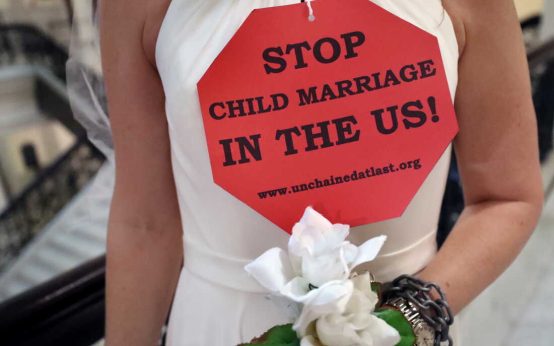 Activists Push for Nationwide Ban on Child Marriage in the U.S.
  Democratic Hopes and Historical Warnings in 2026 Senate Race
  Republicans Face Challenges Amidst Cost of Living Concerns
  A Different Kind of Fall for Congress This Year