
Two powerful earthquakes rocked Venezuela on Wednesday, causing buildings and homes to collapse in Caracas, the capital of the South American nation. Authorities have not provided immediate information about any injuries.
The United States Geological Survey reported that the earthquakes registered magnitudes of 7.1 and 7.5, occurring just one minute apart. The epicenter of the first quake was located west of Morón, on the country’s Caribbean coast, approximately 168 kilometers west of Caracas. This earthquake had a depth of 13 kilometers.
A few minutes later, the Geological Survey reported an even stronger quake. This second quake had a depth of 10 kilometers with its epicenter 16 kilometers southwest of Morón.
Residents in the capital evacuated shaking buildings and remained outside. Many were visibly shaken as they witnessed entire walls collapse, exposing furniture to the street. Dust clouds were seen in two typically busy districts of Caracas. Interior Minister Diosdado Cabello stated that the quake was felt in several states. He noted “alarming” situations with collapsed homes and buildings, particularly in the Altamira neighborhood. He urged the population to stay outside, as aftershocks might cause additional structural damage.
These earthquakes are among the strongest to hit Venezuela in more than a century. The San Narciso quake in 1900 had a magnitude of 7.6, and the Sucre earthquake in 2018 registered a 7.3.
The US Pacific Tsunami Warning Center issued a tsunami alert for the Virgin Islands. Authorities in the Dominican Republic also issued an alert for the island.
The shocks were felt in neighboring Colombia, especially in the Caribbean region and the northeast of the country. However, no damage or casualties were reported there. Colombia’s Maritime Directorate clarified in a statement that there was no tsunami alert for the country’s Caribbean coast.
 The Threat of Melting Glaciers: A Call to Action
 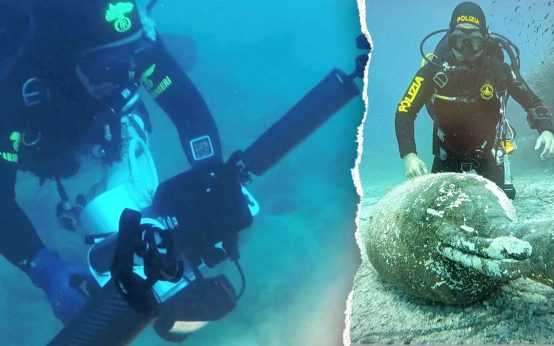 Police Discover Ancient Roman Artifacts Off Sardinian Coast
 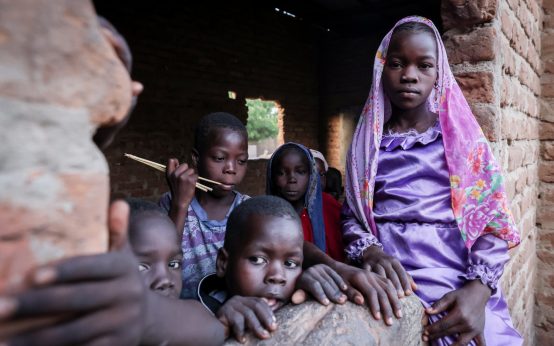 Urgent Need for Action in East Africa’s Food Crisis
 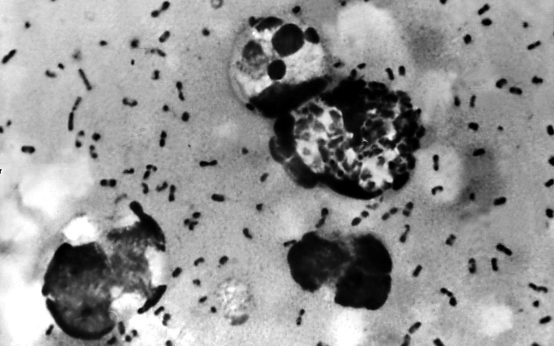 Suspected Plague Death in Siberia Sparks Health Measures
  G7 Nations Agree to Release 100 Million Barrels of Oil Amid Fuel Price Surge
 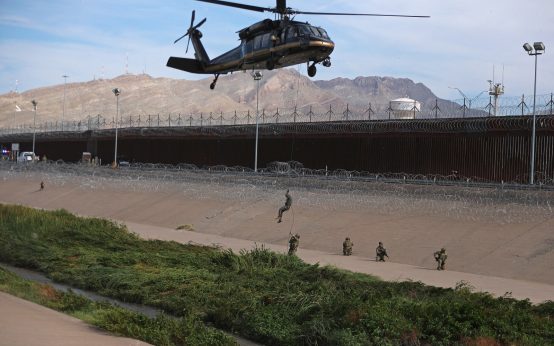 U.S. Initiates Military Operation on Southern Border