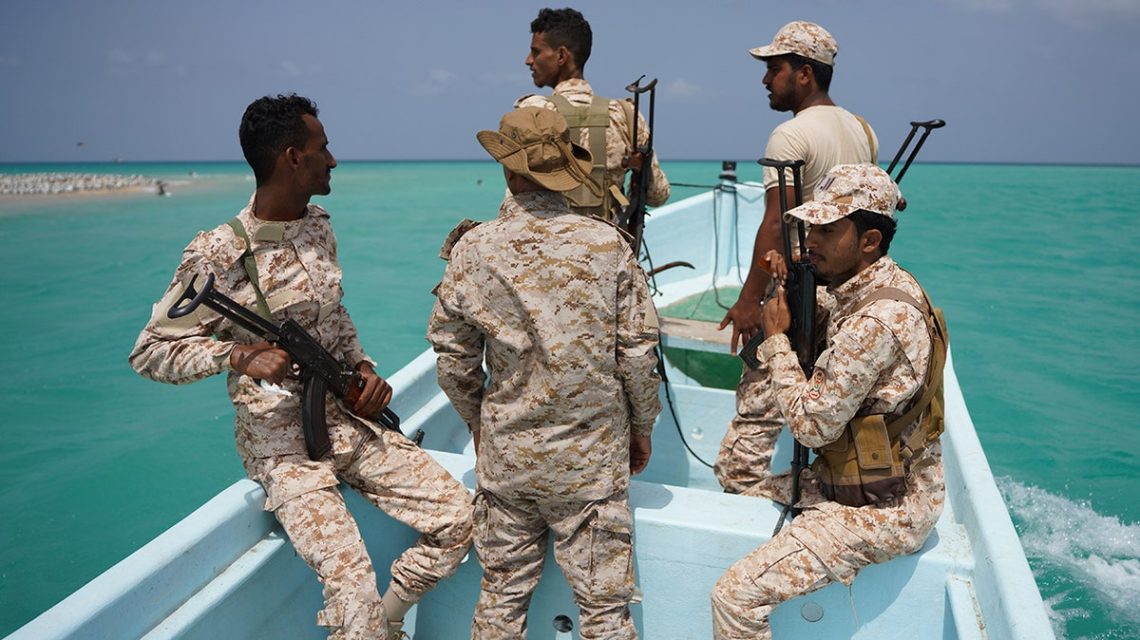
The escalation of Houthi attacks on shipping through the Bab el-Mandeb Strait is raising strategic concerns. The question now is whether this waterway could become similar to the Strait of Hormuz in terms of threat.
Key Geographic and Political Differences
The geopolitical landscape complicates the situation. Unlike the Strait of Hormuz, where Iran can directly threaten shipping, Iran’s influence over Bab el-Mandeb relies on its Houthi allies. Yemen’s internal fragmentation among competing groups creates a complex dynamic for the U.S. and its allies, who face challenges beyond naval power to address the threats.
Recent Houthi Attacks
The danger was highlighted when the Houthis attacked the Egyptian-owned cargo ship, Tihamah, resulting in the deaths of four crew members and two Yemeni rescuers. This incident marked a tragic escalation as it reportedly led to the first deaths from Houthi strikes on shipping amidst the ongoing U.S.-Iran tensions.
Significance of Bab el-Mandeb Strait
Bab el-Mandeb Strait, located between Yemen and the Horn of Africa, connects the Gulf of Aden with the Red Sea, leading north to the Suez Canal and Mediterranean. It is pivotal for energy and commercial shipping. The strait is bordered by a nation embroiled in prolonged conflict, adding layers of risk.
Yemen’s Internal Conflict
The strait’s security is influenced by Yemen’s fragmented political landscape. The Houthis control much of northern Yemen, while the Saudi-backed government competes for control with other groups, including the Southern Transitional Council. The presence of multiple factions complicates securing the waterway.
Views on Security
Amr Al Bidh from the Southern Transitional Council notes that naval forces alone cannot eliminate the threat posed by Houthi-controlled areas. On-the-ground presence is necessary to secure Bab el-Mandeb and address smuggling routes used by the Houthis.
Broader Escalation in Yemen
The situation is deteriorating, exacerbating the threat of renewed large-scale war. U.N. Special Envoy Hans Grundberg warned that Houthi attacks on commercial vessels could deepen Yemen’s involvement in the larger regional conflict.
International Reactions
The U.S. expects the Houthis to abide by the ceasefire agreements, emphasizing the priority of maintaining freedom of navigation. A White House official confirmed continued efforts in collaboration with regional partners to manage security challenges. The U.S. also engages in dialogue with Saudi Arabia and the Yemeni government for stability.
Ship traffic through Bab el-Mandeb has declined since the Houthis declared a naval blockade, reportedly down by 40%. Observations include tankers indicating affiliations to reduce targeting risks.
Global Economic Stakes
The economic implications are significant, particularly as Saudi Arabia increasingly uses the Red Sea for exports due to disrupted shipping through Hormuz. This makes the Red Sea another critical juncture beyond the familiar Strait of Hormuz.
Calls for Stability
Yemeni Nobel Peace Prize laureate Tawakkol Karman emphasized that Yemen’s collapse threatens global interests in navigation, trade, and security. Reviving Yemen’s functioning state is seen as crucial for sustainable peace.
U.S. and Regional Strategies
Experts advise not to equate Bab el-Mandeb with Hormuz, noting different strategic dynamics. The Houthis have more autonomy and currently focus their hostilities against specific targets rather than global escalation.
U.S. involvement includes efforts to secure shipping routes and maintain open lines for commerce. Sanctions against entities supporting Houthis are part of broader U.S. strategies to maintain peace and security.
 Dutch Review Board’s Euthanasia Ruling and International Debate
  Israeli PM Commends Heroic Actions in Flight Emergency
  Rabbi and Jewish Leaders Criticize Adam Brody for ‘Genocide’ Comment
  Flydubai’s Emergency Landing Highlights Cockpit Security
  Former Israeli PM Naftali Bennett Commends Passengers and Crew for In-Flight Heroism
  Diplomatic Complexities Unfold at U.S. National Archives Visit