Iran’s Revolutionary Guard has taken responsibility for launching attacks on Bahrain and Kuwait. This announcement followed a new round of military actions by the U.S. against Iranian targets. The tension has jeopardized negotiations for a ceasefire, threatening the memorandum of understanding signed earlier this month between Iran and the U.S. The agreement aimed to resolve disputes within 60 days, focusing on key issues such as shipping in the Strait of Hormuz, lifting the U.S. blockade, sanctions relief, and handling Iran’s uranium stockpile.
Kuwait’s air defenses intercepted two Iranian missiles without any reported injuries. Conversely, Bahrain reported that Iranian munitions damaged a residential building near their airport, without causing fatalities. Photographs showed extensive damage to an eight-story building, though it was not near the U.S. Navy’s 5th Fleet headquarters. Bahrain’s Foreign Ministry has condemned Iran’s actions, labeling them as systemic aggression.
Meanwhile, violence between Israel and Hezbollah in southern Lebanon continues. An Israeli soldier was killed by Hezbollah in Deir Siryan, with Israel retaliating by killing the attacker. Hezbollah’s leader stated the group’s intention to fight until Israel’s withdrawal from southern Lebanon. Despite calls for a meeting involving Iran, the U.S., and Lebanon, escalating disputes remain unresolved. Israel plans to continue operations along its border with Lebanon until Hezbollah is disarmed, a demand Hezbollah refuses.
The recent Iranian actions were triggered by U.S. military strikes on Iranian military targets, which included surveillance infrastructure and communication systems. These strikes were in response to Iran’s attack on a Panamanian tanker in the Strait of Hormuz. Iran insists on exclusive governance over the strait, a critical global oil shipping route, dismissing any new arrangements proposed by the U.S.
Iran’s Revolutionary Guard Corps has warned of halting negotiations if U.S. military actions persist. President Trump accused Iran of violating the ceasefire, hinting at possible military escalation to eliminate threats from Iran. He warned that such actions could lead to dire consequences for Iran’s future.
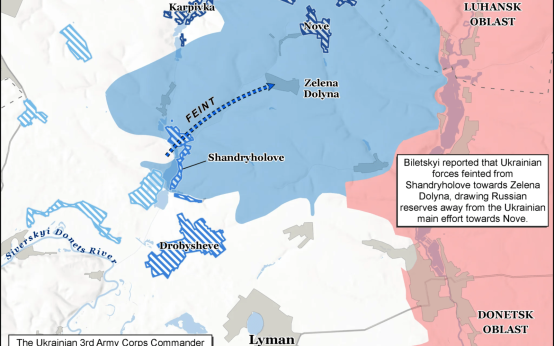 Ukraine Converts APCs to Explosive Devices in Donetsk Offensive
  Dutch Review Board’s Euthanasia Ruling and International Debate
  Israeli PM Commends Heroic Actions in Flight Emergency
  Rabbi and Jewish Leaders Criticize Adam Brody for ‘Genocide’ Comment
  Flydubai’s Emergency Landing Highlights Cockpit Security
  Former Israeli PM Naftali Bennett Commends Passengers and Crew for In-Flight Heroism