Boogie boarding, also known as bodyboarding, is a water activity suitable for all ages and skill levels. Unlike surfing, boogie boarding requires less time to master, making it perfect for those looking to ride waves without extensive training. Before venturing into the water, it’s important to select the right board and learn proper techniques to improve your experience.
Understanding Boogie Boarding
Boogie boarding involves lying stomach-down on a short, hydrodynamic foam board to ride the wave’s curl, crest, or face toward the shore. Key components of a boogie board include:
- The deck: Where you lie across the board while riding.
- The slick: The bottom part that glides on the water.
- The rails: The sides you grip while riding.
- The nose: The top of the board, narrower noses offer more speed.
- The tail: The end of the board, either wide or narrow to affect control.
Selecting the Right Boogie Board Size
To determine if a boogie board is the right size, stand it on its tail. The top should reach your belly button, indicating the correct size. Additionally, check the width by holding the board horizontally against your side, ensuring you can grip the board’s other edge comfortably.
Preparation for Boogie Boarding
Step 1: Waxing Your Boogie Board
Though not essential for beginners, waxing enhances grip on the board’s nose and rails, improving maneuverability and speed. Apply wax around these areas for optimal performance.
Step 2: Dressing Appropriately
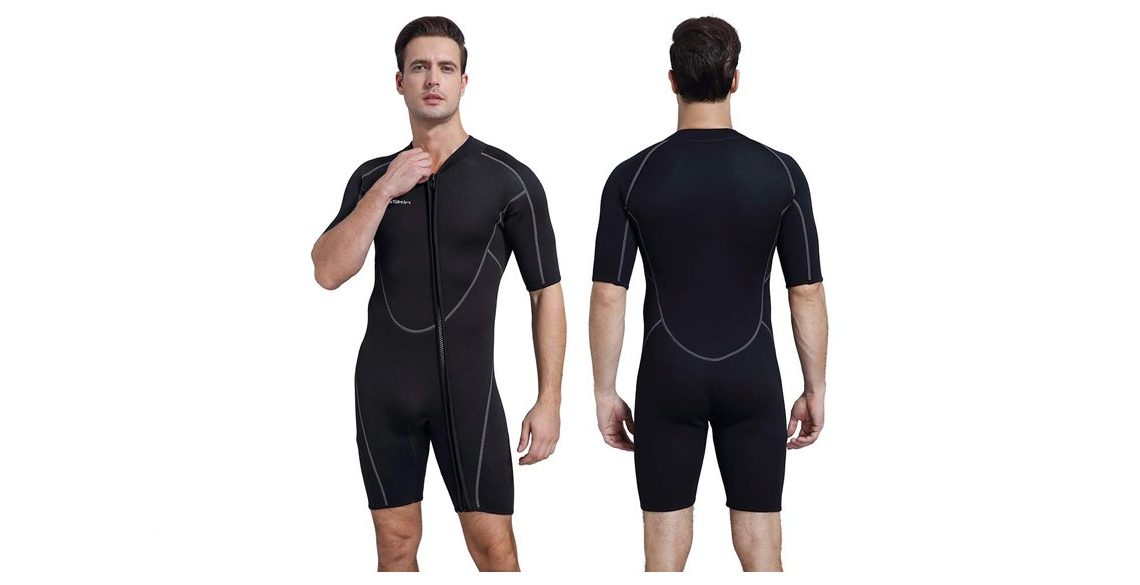
Wear a wetsuit in cold water for insulation and protection. In warmer conditions, opt for a swimsuit or shorts with a rash vest. The rash vest shields against UV rays and skin chafing.
Step 3: Wearing Fins
Fins are optional but help paddle out to waves more efficiently. They enhance speed and conserve energy, allowing longer boogie boarding sessions.
Step 4: Securing Your Leash
Attach the leash securely to your bicep or wrist to prevent losing your board in the water.
Finding Suitable Conditions
Step 1: Choosing a Beach
Select a swimming beach with moderate waves, ideally with lifeguard presence and waves below 2 feet. Ensure the surf area is free of obstacles and fast-moving boats.
Step 2: Entering the Water
Walk into knee-deep water, lie on the board with hips at the tail. Paddle out with hands and feet, aiming for just beyond the breaking waves.
Step 3: Catching a Wave
Point the board’s nose toward the beach, watch for waves with a crest. Paddle quickly toward the beach as the wave breaks. Maintain speed by paddling with feet and hands, and grip the rails.
Step 4: Developing Skills
Once you master wave-catching, practice weaving by shifting weight to change direction. These maneuvers enhance your bodyboarding proficiency.
Recommended Boogie Board Purchases
- Goplus Lightweight Boogie Board: Offers buoyancy and durability for beginners.
- MOREY® Boogie Board Mach 7: Suitable for faster bodyboarding with increased control.
Prices are subject to change. Visit our Daily Deals for the latest offers and sign up for the BestReviews newsletter for more shopping inspirations and sales. BestReviews and its partners may receive commissions via purchase links. Distributed by Tribune Content Agency.
 Effective Skincare Routine for Men with Particle Moisturizer
  Rising Trend: Solo Travel Gains Popularity
  Prepare for Rainy Fall Weather with Discounted Rain Jackets
  Review: Stokke Nighti 3-in-1 Convertible Cot Bed
  Embrace Failure: Turning Setbacks into Success
  Unusual In-Flight Behavior Leaves Passengers Stunned