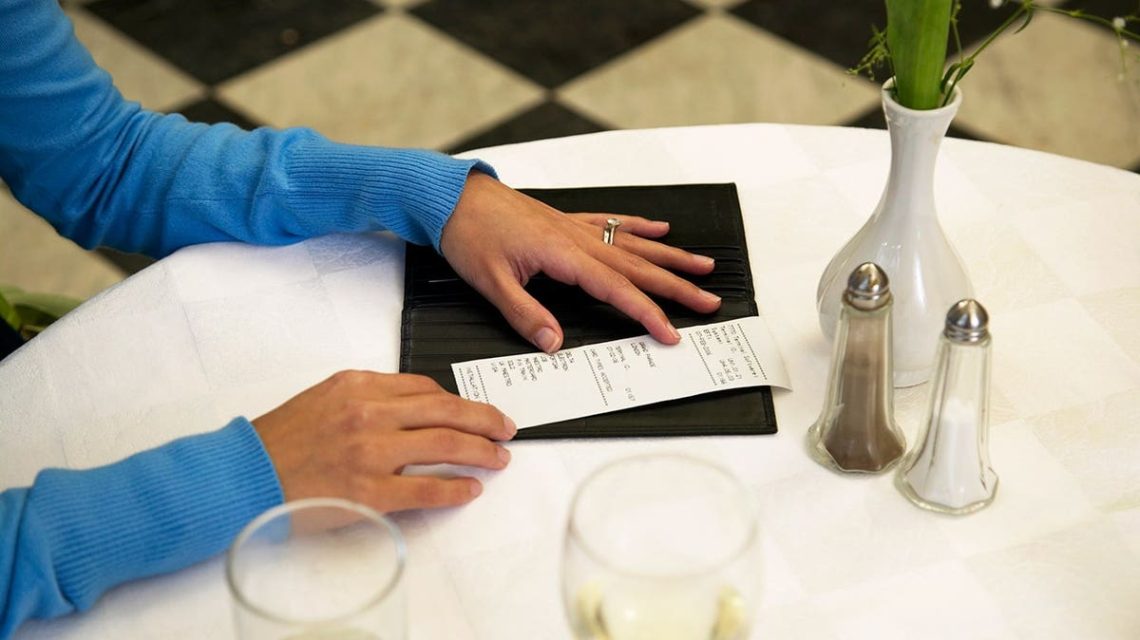
Starting July 1, diners in Florida will experience fewer surprises when receiving their restaurant bills. A new state law compels restaurants to transparently reveal all mandatory fees and service charges before customers place orders. This updated legislation broadens existing rules on automatic tipping to encompass a wider range of ‘operations charges,’ including service charges, credit card surcharges, delivery fees, and other obligatory charges added to the bill, excluding taxes.
Restaurants that implement these charges must disclose the fee amount or percentage and clarify its purpose on menus, websites, mobile ordering platforms, and, if relevant, written contracts. The law also mandates this information appear on customers’ bills.
“Restaurants today are navigating rising costs and evolving customer expectations, particularly around tipping and service charges,” said Ashley Chambers, communications director at the Florida Restaurant & Lodging Association.
The law aims to provide diners with a better understanding of the total cost they will incur. Chambers mentioned that transparency could nurture trust and understanding between restaurants and patrons, given it is executed clearly for consumers and practically for operators.
Eric Douglas, partner at BOL Hospitality Group, supports the transparency initiative, saying, “Anything that’s good for the customer is good for us. We’re in the customer service business. We want to ensure transparency with any charges that we might have.” His company plans to introduce an 18% service charge at one of its restaurants, allocating all proceeds to employees. Douglas insists restaurants should explain if portions of a service charge are directed towards operational expenses.
“If I’m going to be charged a service charge, and it’s not going to be used 100% toward the staff, I think I deserve to know where it’s going,” he expressed.
Some establishments incorporate service charges or automatic gratuities for larger groups, aiding servers in getting fairly compensated for coordinating larger tables. However, not all restaurants rely on such charges.
Vicki Parmelee, proprietor of Jumby Bay Island Grill in Jupiter, prefers embedding costs within menu prices rather than resorting to end-of-meal fees. “We have always been straightforward with our guests at Jumby Bay Island Grill in regard to what they are paying for,” Parmelee stated. She worries the new law might make diners question if they have been deceived previously.
“I think this new law will unfortunately confuse diners, as they now may assume they have been being ‘duped’ in some way when they dine out,” she commented.
Parmelee advocates for accurate menu pricing reflecting the genuine food and drink costs. This approach could prevent surprise fees when the bill arrives. “Menu prices should accurately reflect 28–35% food and beverage cost, not an added service charge,” Parmelee argued, underscoring that it conveys honesty to customers while securing marginal profits.
Parmelee also opposes substituting traditional tipping with mandatory service charges, which she believes tends to puzzle both customers and employees.
“I would never adopt this fee structure,” she declared. “Tipping is voluntary and earned by the staff.”
The new Florida law doesn’t prohibit restaurants from imposing mandatory service charges or automatic gratuities but requires clear disclosures before orders are made. Peter Burke, lifestyle editor at Fox News Digital, covers varied topics with a strong focus on food and drink.
 Effective Skincare Routine for Men with Particle Moisturizer
  Rising Trend: Solo Travel Gains Popularity
  Prepare for Rainy Fall Weather with Discounted Rain Jackets
  Review: Stokke Nighti 3-in-1 Convertible Cot Bed
  Embrace Failure: Turning Setbacks into Success
  Unusual In-Flight Behavior Leaves Passengers Stunned