The recent Russian strikes against Ukraine serve as a stark warning about Europe’s vulnerability if the conflict extends into NATO territory. Despite increased military spending across the continent, nations remain concerned about their preparedness.
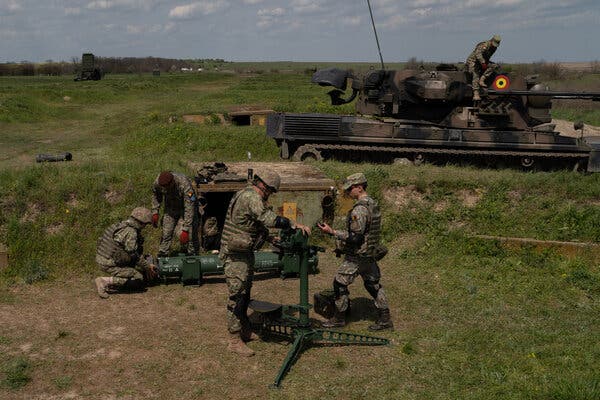
Romanian soldiers tested military equipment during a NATO exercise in April, highlighting the urgency for reinforced defense strategies. The withdrawal of some U.S. military assets by President Trump has led NATO allies to scramble to fill this gap, with officials and experts acknowledging that they are not yet ready to do so.
“If anyone thinks here again that the European Union, or Europe as a whole, can defend itself without the U.S., keep on dreaming,” Mark Rutte, NATO secretary general, remarked in January. “You can’t. We can’t. We need each other.”
Incidents involving Russian fighter jets entering NATO airspace, along with drones encroaching on European territories, underscore the threats. Russia’s use of ballistic missiles capable of delivering nuclear warheads and striking European capitals adds to the risk.
Despite these challenges, Polish defense minister Wladyslaw Kosiniak-Kamysz assured that Poland’s borders remained safe during recent Russian attacks. He credited French and Dutch forces for their contributions in safeguarding Poland’s airspace, emphasizing the importance of investment in a modern army and strong alliances for public safety.
Next week, NATO leaders will convene in Ankara, Turkey, to evaluate the security contributions of European members of the 32-nation alliance, particularly after the reduction of U.S. involvement. European nations collectively increased their military expenditure by $90 billion last year compared to 2024, yet they wrestle with balancing defense spending against other societal priorities like health care, pensions, and housing.
Support for Ukraine, seen as Europe’s frontline defense, has intensified as European spending surged following the scaling back of American aid. This week, the European Union began the transfer of six billion euros to Ukraine, part of a broader 90 billion euro loan aimed at bolstering Ukraine’s defense capabilities.
“We keep raising the cost until Russia understands it cannot win,” declared Kaja Kallas, the EU’s top diplomat.
Lara Jakes, a seasoned journalist based in Rome, covers conflict and diplomacy focused on weapons and wars in Ukraine and the Middle East.
 The Threat of Melting Glaciers: A Call to Action
 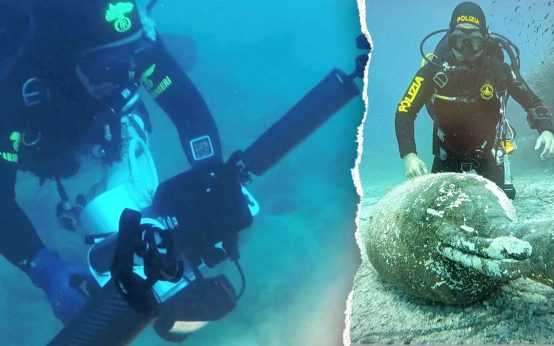 Police Discover Ancient Roman Artifacts Off Sardinian Coast
 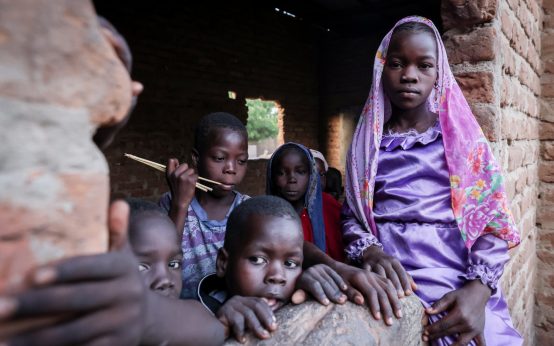 Urgent Need for Action in East Africa’s Food Crisis
  Suspected Plague Death in Siberia Sparks Health Measures
 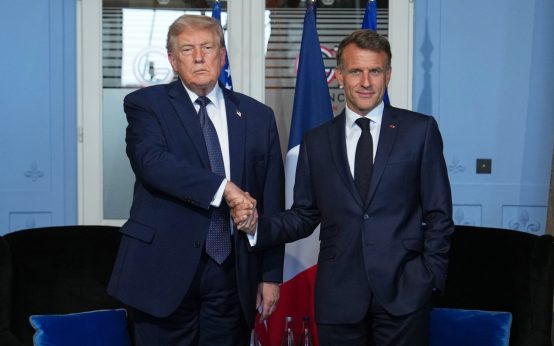 G7 Nations Agree to Release 100 Million Barrels of Oil Amid Fuel Price Surge
  Co-Pilot Attempts Hijack on Flight to Tel Aviv