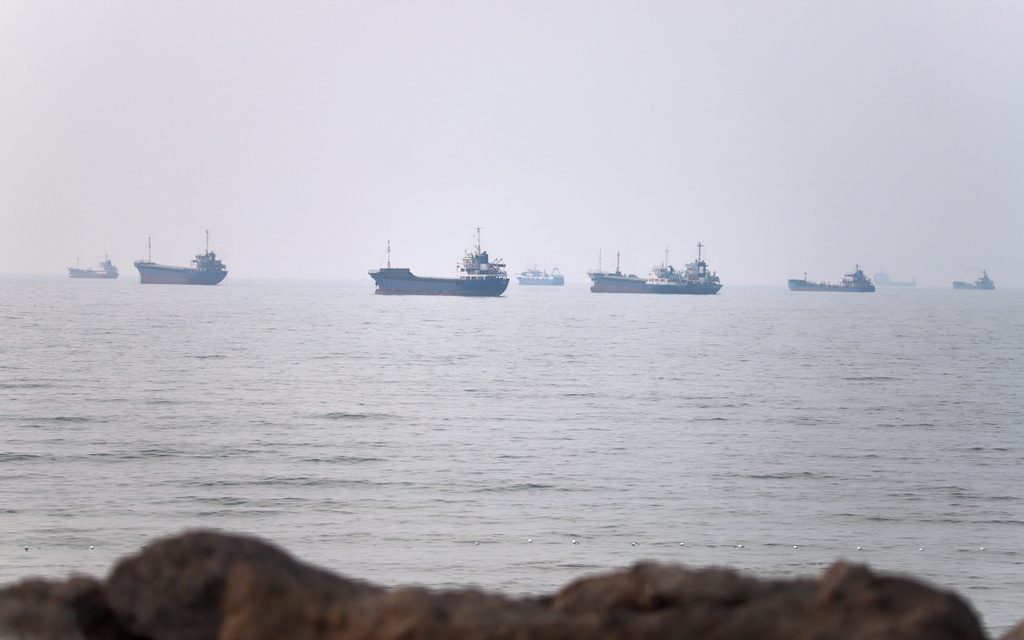
As commercial vessels navigated the Strait of Hormuz near Bandar Abbas, Iran, significant diplomatic news unfolded. On June 30, 2026, the U.S. announced a diplomatic milestone involving Pakistan, Iran, and the U.S. at the G7 summit. Pakistani Prime Minister Shehbaz Sharif clarified that ballistic missiles were not under discussion. Iranian President Masoud Pezeshkian affirmed that missiles would never be part of any agreement. Meanwhile, U.S. President Trump downplayed the severity of missiles, noting they impact localized areas rather than threatening global destruction.
Remarkably, leaders who typically disagree acknowledged a critical omission from the U.S.–Iran Memorandum of Understanding (MOU). The MOU includes a single commitment regarding nuclear weapons: Iran promises not to develop nuclear arms. However, the agreement lacks any mention of ballistic missiles, despite their role as delivery systems for these weapons and their frequent use by Iran. This omission was not accidental. It was the compromise necessary to finalize the agreement—and thus a defining feature.
The omission separates nuclear and missile concerns, even as Iran treats its nuclear and missile capabilities as an integrated defense strategy. A nuclear program without missiles remains theoretical. Conversely, an operational missile program without nuclear warheads strengthens Iran’s military capabilities today. The omission in the MOU does not lessen the regional threat. Instead, it provides Iran with its first internationally recognized exemption for conventional strike weapons.
The situation follows an asymmetrical pattern. Iran presented its missile program as non-negotiable. The U.S., prioritizing a swift agreement, allowed missiles to be excluded. This choice was influenced by the desire to avoid delays that consultative processes with allies might cause. Trump’s public statements contributed, suggesting that if missiles do not cause global destruction, excluding them was justified.
Iran stands to gain from the agreement with access to $10-16 billion in frozen assets during a 60-day window. Sanctions relief without limits on missiles effectively subsidizes Iran’s missile production infrastructure. Within this context, Iran’s missile production appears domestically focused and largely unaffected by sanctions. What the industry lacks are dual-use components like guidance systems and propellant precursors, which sanctions relief could provide.
Regional players such as Israel, Saudi Arabia, Qatar, and the UAE, remain directly threatened by Iran’s unmitigated missile strength. These allies were not consulted, hence they do not adhere to the MOU’s terms dealing with missiles. Israel advances towards unilateral actions. Gulf states will likely enhance their missile defenses and seek non-U.S. partnerships. This shift suggests weakening U.S. extended deterrence, highlighting a pivot in diplomatic strategy.
For Iran, the missile program is critical for regime survival, acting as a deterrent against conventional threats and facilitating power projection. The exclusion of missiles from the agreement confirms Iran’s strategy of building conventional power to gain strategic leverage. The gap between the current agreement and potential future talks on missile inclusion leaves unresolved threats. Once Iran partially complies with nuclear conditions, the political impetus to sustain the agreement will grow, complicating further negotiations.
The agreement does not mitigate risk; instead, it relocates it. Without inclusion in negotiations, missile issues remain outside the framework, devoid of de-escalation strategies. Without addressing missiles as an integral negotiation point, the MOU risks being seen not as a step towards denuclearization, but as an endorsement and funding of the very threat it claims to limit.
 The Trump Team’s Challenge to the Military Leadership
  Maryland First State to Restrict Electronic Pricing in Grocery Stores
  British Police Arrest Man Suspected of Terror Plot
  Activists Push for Nationwide Ban on Child Marriage in the U.S.
  Democratic Hopes and Historical Warnings in 2026 Senate Race
  Republicans Face Challenges Amidst Cost of Living Concerns