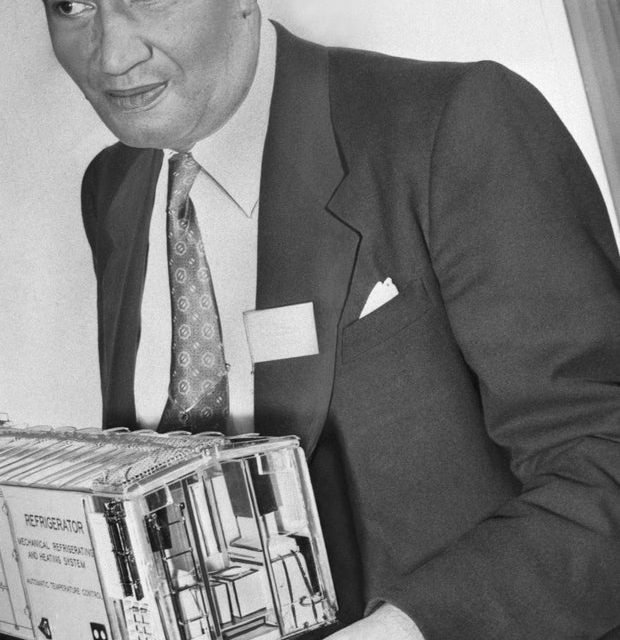
The innovations that propelled America into a global superpower impact nearly every aspect of contemporary life. Key inventions such as the lightbulb, airplane, medical advances, and the internet era have shaped the past 250 years of American progress.
The Power of the U.S. Patent Process
Beyond individual inventions, the United States patent process has been crucial for fostering innovation, according to Eric S. Hintz, a historian at the Smithsonian Institution. Established through the U.S. Constitution and George Washington’s signing of the first patent statute in 1790, the system aligns with democratic principles.
“It creates a system that’s good for the individual and good for the country,” Hintz explained.
The United States Patent and Trademark Office has issued over 12,650,000 patents by 2026. These patents offer inventors protection for a specified period before their innovations enter the public domain.
Agriculture and Early Innovations
America’s agricultural sector saw early patents that drove innovation. Eli Whitney’s cotton gin, for example, revolutionized raw cotton production, doubling output each decade of the 19th century. Innovations such as Francis Cabot Lowell’s power loom and Cyrus McCormick’s mechanical reaper facilitated advancements in textile and grain production.
Transportation Breakthroughs
Transportation transformed drastically with American ingenuity. Rival inventors John Fitch and James Rumsey obtained steamboat patents. Robert Fulton commercialized the vessel for postal services. By the 1850s, railroads spread across 30,000 miles. The Wright brothers pioneered powered flight in 1903, with significant contributions from their sister, Katherine Wright.
Electrification and Its Impact
Electricity shifted day-to-day life profoundly. Charles F. Brush’s arc lamps illuminated Cleveland streets. Hintz indicates this advancement enabled three-shift factories and safe nighttime activities. Thomas Edison’s incandescent light bulb marked the second most acknowledged U.S. invention per a CBS News poll.
Advancements in Communication
Innovations in communication originated from Alexander Graham Bell’s telephone. Edison improved Bell’s transmitter, enhancing sound clarity. By the 20th century, long-distance calls were tested, exemplifying how continuous improvements foster greater technology depths.
Manufacturing Evolution
Steam-powered U.S. manufacturing evolved from artisanal crafting. Eli Whitney Jr. collaborated with Samuel Colt to produce revolvers with interchangeable parts, leading to mass production advancements like Henry Ford’s Model T, notable for extensive assembly line techniques.
Fuel Resources and Challenges
Edwin Drake’s oil well marked America’s entrance into the petroleum era in 1859. Hintz discusses oil’s persistent political relevance and transitions towards nuclear, wind, solar, and geothermal energy.
Medical Innovations
Medical advancements have greatly reduced mortality, contributing to extended lifespans. Innovations like the polio vaccine and COVID-19 vaccines exemplify the progression, alongside surgical and pharmaceutical developments.
Computing Milestones
The U.S. census necessitated data computation methods in the 1880s, leading to Herman Hollerith’s punch-card machines. The ENIAC computer followed post-World War II, influencing subsequent atomic weapon yield forecasts. IBM’s automation of payroll systems embodies lasting impacts, culminating in personal computing revolutions.
Visual Media and Video Technology
Photography and motion pictures revolutionized visual documentation. Eadweard Muybridge’s early projections influenced Edison’s motion picture camera invention. Television became widespread by the 1970s, with the Telstar satellite facilitating global broadcasts.
Hintz paints a transformative American landscape, illuminated by electricity as a pivotal invention. Join CBS for “The Great American Block Party 250” on July 4 for live celebrations and the nation’s largest fireworks display.
 Minnesota Family Files Civil Rights Lawsuit Over ICE Agent Shooting
  California Bans Child Marriage, Protecting Minors
  U.S. States Extend Gas Tax Waivers Amid Rising Fuel Costs Due to Iran Conflict
  Historical Events in Chicago on October 1st
  Trump’s 2024 Campaign Targets Young Men Through Cryptocurrency
  How Modern Windows Improve Home Insulation