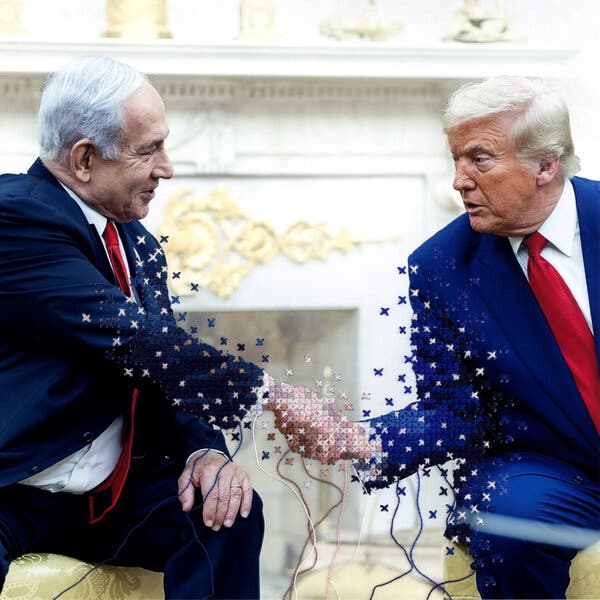
Following the attack by Hamas on October 7, 2023, Israel found itself in a vulnerable state. In response, the Israeli leadership, under Prime Minister Benjamin Netanyahu, aimed to achieve an ambitious goal: invincibility. Netanyahu articulated a vision of “total victory” and initiated a campaign that devastated Gaza. This military effort soon extended to confrontations with Hezbollah in Lebanon, the Houthis in Yemen, parts of Syria, and the Islamic Republic of Iran.
For Netanyahu’s administration, the priority became sustaining military activity without facing internal or external restraints. The notion of war evolved into a national default state. Supporting Israel increasingly meant endorsing, or at least refraining from questioning, this aggressive security strategy.
In such a climate, Israelis were shocked and indignant at the apparent divergence between the Trump administration and the Israeli government. Reports surfaced of President Trump calling Netanyahu “crazy” after the Israeli escalation in Lebanon, suggesting a rift. Vice President JD Vance further exacerbated tensions by attempting to assert a limit on Israeli actions.
Though Netanyahu has remained publicly composed, his media allies have expressed strong reactions. Far-right Israeli TV host Yinon Magal harshly criticized Vance, calling him derogatory terms. Additionally, a supporter of Netanyahu revealed his shock over a U.S.-Iran deal, indicating possible discontent from Netanyahu himself. This sentiment was supported by a poll showing a marked decline in Trump’s popularity among Israelis following the agreement.
The fragile state of the U.S.-Israeli alliance, and the relationship between Netanyahu and Trump, now face significant challenges. Factors such as Israel’s dominance in U.S. politics, its regional military and economic power supported by the U.S., and the pro-Israel lobby’s previous successes are undergoing shifts. Israel invested heavily in its strategy against Iran but achieved limited results.
Vice President Vance’s statements underscore the growing rift. He advised against relying solely on military solutions for national security issues. At a White House briefing, he suggested that Israeli leadership should not antagonize their primary ally. These comments highlight the urgent need for Israel to reassess its strategic approach amidst evolving international dynamics.
 Supreme Court’s New Term Tackles Climate Liability and Key Legal Battles
 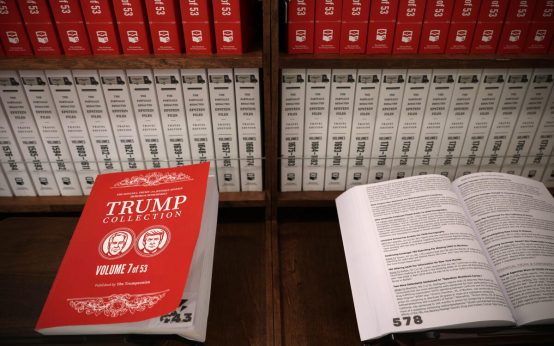 Midterm Elections: A Potential Turning Point
  Tensions Rise Between U.S. Ambassador and South African President
  Andy Burnham’s Approach to Address UK’s Economic Stagnation
 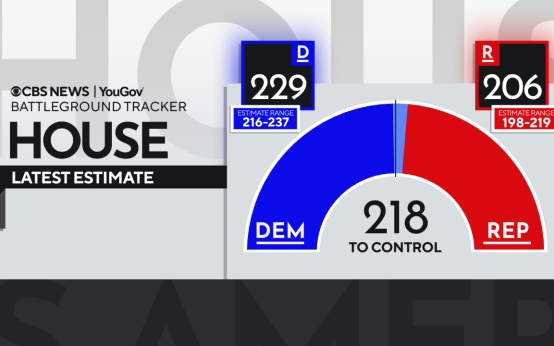 Midterms 2026: Key Insights and Voter Perspectives
  Trump’s Influence on Executive Power and the Response