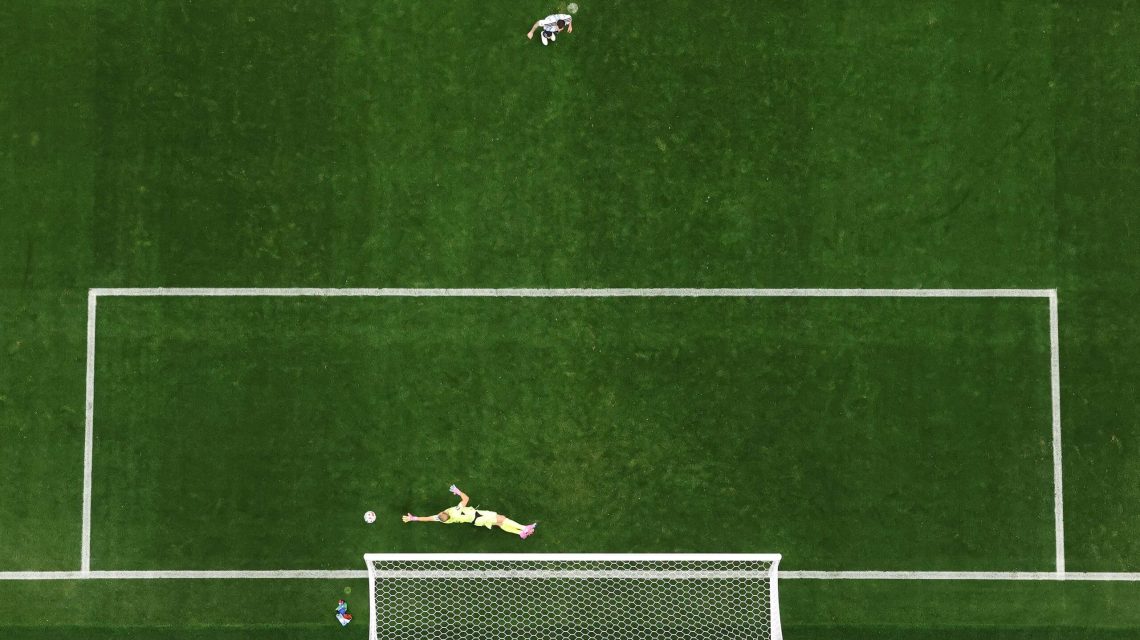
Lionel Messi is often regarded as one of the greatest football players in history. However, when it comes to penalty-taking, he exhibits an unexpected vulnerability. Messi’s record in World Cup penalties is not as impressive as his overall gameplay. His recent miss against Austria marked the third instance he failed to score from seven World Cup penalties during regulation time. Further, facing Egypt, he became the first player to miss two non-shootout penalties in a single World Cup tournament. In prior tournaments, Messi’s penalties were saved by goalkeepers from Iceland and Poland.
Throughout his international career, Messi has scored 25 goals from 32 penalties. Including his club matches, his success rate stands at 116 goals from 150 penalties, translating to 77 percent. This is somewhat below average for elite players.
Messi is renowned for his scoring ability, spatial awareness, and passing skills. Despite these strengths, he struggles with penalties, statistically considered the easiest scoring opportunities in football. Among elite players, having a lower-than-average penalty conversion rate is unexpected.
One perception is that Messi’s left-footedness affects his penalty performance. Some believe right-footed players are more reliable. However, statistical evidence shows no substantial advantage for right-footed players. The rarity of left-footed players means goalkeepers find them more challenging to predict. Messi, however, has taken numerous penalties throughout his career.
In the 2005 under-20 World Cup, Messi led Argentina to victory over Nigeria by scoring two key penalties. His techniques varied over the years, incorporating both instep and laces finishes.
Messi has scored seven out of nine times when stepping up to take the first penalty in shootouts for Argentina. His attempts in Copa America finals tell tales of both success and failure. One of his recent penalty misses against Austria showcased specific issues. During a match in Arlington, Texas, he faced Alexander Schlager. Messi hesitated, allowing Schlager time to maintain his composure. Messi placed his shot awkwardly, missing the target.
“I was angry,” Messi admitted, acknowledging the poorly executed attempt.
A notable perspective is provided by penalty expert Geir Jordet. Jordet suggests Messi’s penalties are often ‘goalkeeper-dependent.’ Messi watches the goalkeeper’s movement, leading potentially to less precision, as his focus shifts from the ball.
In the World Cup, Messi’s penalty approach sometimes worked against savvy goalkeepers. His vision on the goalkeeper occasionally caused miscalculation in his placement. Conversely, his adaptability and inventiveness, characteristics of football genius, may contribute to penalty complexity. Messis lacks the repetitive patterns other players like Harry Kane possess.
Messi’s performance at the last World Cup emphasized his adaptability, notably against France in the final and the Netherlands in quarter-finals shootouts, where he successfully converted critical penalties.
Despite setbacks, Messi’s career features significant achievements and, at times, overcoming penalty shortcomings. Messi’s technique has evolved over the years, incorporating different styles and attempting innovative shots like Panenkas, though not always successfully.
While Messi may have experienced difficulties with penalties, he compensates with his other skills ensuring his status remains unchallenged as an iconic player, even becoming the top scorer at the men’s World Cup amidst these challenges.
 Washington Family Seeks Supreme Court Intervention in Wrestling Case
  Recap of Recent Golf Highlights
 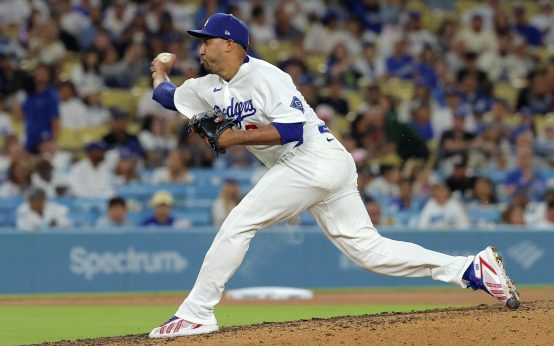 Hard-Throwing Pitchers Shine in MLB Playoffs
 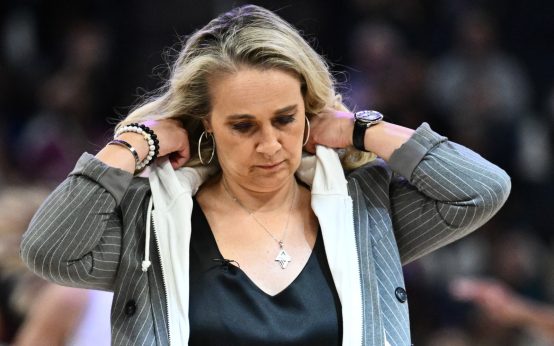 Golden State Valkyries Triumph Over Las Vegas Aces in Semifinal Opener
  Oklahoma Considers Quarterback Changes After Loss to Georgia
  Brittany Mahomes Trolls Critics as Chiefs Secure Victory