FBI Constructs a Mock Town for Cybersecurity Training
The FBI has developed a full-scale mock American town within a secure facility in Alabama. This initiative provides agents with an authentic setting to train for significant cyberattacks. The project highlights the growing concern about cyberattacks that have tangible real-world effects. Ransomware incidents can incapacitate hospitals, disrupt fuel supplies, and affect public services, requiring investigators to manage both digital systems and physical environments during emergencies.
To equip agents for these scenarios, the FBI has constructed various potential targets within this town—from residential homes and businesses to healthcare facilities and energy infrastructure.
Purpose Behind the Kinetic Cyber Range
The facility, known as the Kinetic Cyber Range, spans 22,000 square feet and is located at the FBI’s campus in Huntsville, Alabama. It resembles a small American community. Inside, you will find fully furnished homes, a hotel, a gas station, a grocery store, a courthouse, a hospital, and a power company.
Unlike traditional training sets, each building is equipped with functioning networks, devices, and operational technology that behave like real-world systems. Additionally, the town hosts a data center containing over 200 physical servers with both Windows and Linux systems, mirroring corporate IT environments.
Training for Cyberattacks with Real-World Impact
The FBI aims to move beyond classroom exercises to realistic, high-pressure scenarios. Historically, cyber investigators trained with simulated data at computer workstations. With the increasing disruption caused by cyberattacks, agencies emphasize practical training that mimics real incidents.
The Kinetic Cyber Range provides trainees firsthand experience with such conditions. Exercises include:
- Responding to ransomware attacks
- Handling breaches in corporate networks, including system access
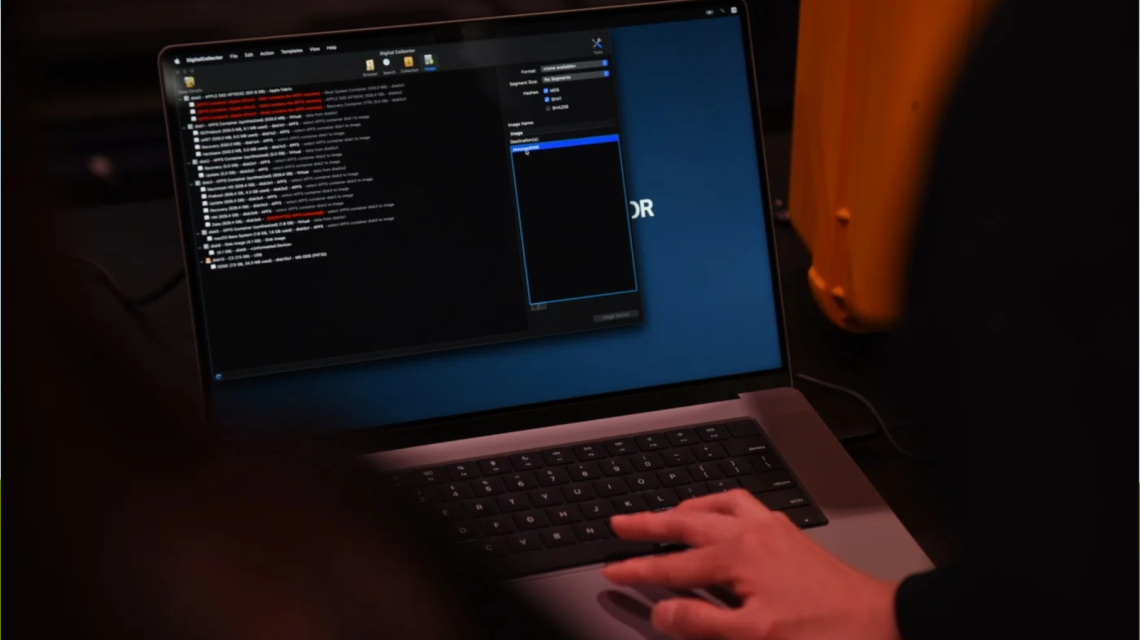
- Gathering and analyzing digital evidence in real-world settings
- Making rapid decisions during investigations, such as what to seize and how to proceed
One example scenario involves a ransomware attack disabling hospital systems, prompting investigators to balance technical responses against patient care impacts. Dave Beachboard, the program manager for the cyber range, states, “This is about as real as it’s going to get before people go out in the field.”
Increasing Threats Drive the Shift
The creation of this complex facility mirrors the sharp rise in cyber threats. According to FBI data:
- U.S. cybercrime losses reached over $20 billion in 2025, marking a record high
- That figure represents a 26 percent increase from the previous year
- Ransomware remains “the highest reported cyber threats targeting critical infrastructure organizations.”
The increasing frequency and severity of attacks have led law enforcement agencies to prioritize immersive training environments.
The Nature of Training Inside the Range
The training aims to closely mimic real investigations. Agents may:
- Enter a mock home and determine which connected devices to seize
- Serve a search warrant at a business and analyze live networks
- Extract data from vehicles or servers
- Work inside cramped, noisy data centers similar to real corporate environments
Beachboard notes that some environments were purposely designed to be uncomfortable, describing the data center as “cold…cramped…noisy…dark…miserable,” similar to real working conditions.
Support and Privacy Concerns
Since opening in February 2025, the range has trained over 1,400 students, including FBI staff and law enforcement partners. The FBI presents the town as a necessary advancement in cyber training, emphasizing that digital threats now have real-world impacts needing physical, scenario-based preparation. However, according to TechCrunch, critics argue that some training aspects—especially tools used to extract data from locked or encrypted devices—are controversial within the cybersecurity community.
These tools rely on undisclosed vulnerabilities that are not shared with device makers. As a consequence, the same flaws might be used not only by law enforcement for investigations but also by hackers or other malicious actors if discovered.
A Broader Perspective
The FBI’s replica town reflects a broader change in how governments prepare for cyber threats, viewing these not merely as digital incidents, but as events that can disrupt essential services and daily life. By creating a fully functional community within a controlled setting, the FBI seeks to better equip investigators for attacks that extend beyond data theft to the physical world.
 Trump Unveils AI-Powered America.gov Platform
  Trump’s 2024 Campaign Targets Young Men Through Cryptocurrency
  How Modern Windows Improve Home Insulation
  State Department Simplifies Passport Process with Online Applications
  Senate Democrats Block Data Center Bill Over Efficiency Concerns
  Future Cities: Ambitious Projects Aiming for Innovation and Sustainability