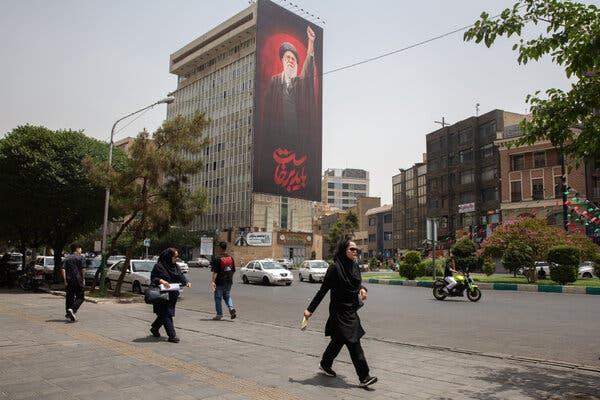
The United States conducted airstrikes on targets in Iran following the revocation of a waiver that permitted the global sale of Iranian oil. This military operation followed what the Pentagon described as Iranian attacks on three commercial ships in the Strait of Hormuz.
U.S. Central Command announced on social media that these strikes aim to impose significant costs on Iran for targeting commercial ships and threatening civilian crews in international waters. The affected vessels included a Saudi oil tanker and a Qatari liquefied natural gas carrier near Oman, disrupting regional energy supplies and impacting a tentative agreement to reopen the strategic waterway.
Central Command condemned Iran’s actions as unwarranted and dangerous, labeling them a clear violation of the existing cease-fire. Iran has not claimed responsibility for the attacks, and Iranian authorities have not publicly commented, as Iran observes funeral ceremonies for Ayatollah Ali Khamenei, the supreme leader.
Talks between Iran and the U.S. have paused for the duration of the funeral activities. Both nations agreed to restore access to the strait, with President Trump affirming that the waterway is open for navigation, but the details of how traffic should resume remain unsettled. Iran proposes that ships use a channel under its control along its coast, whereas many vessels seek American assistance to navigate near Oman.
 The Threat of Melting Glaciers: A Call to Action
 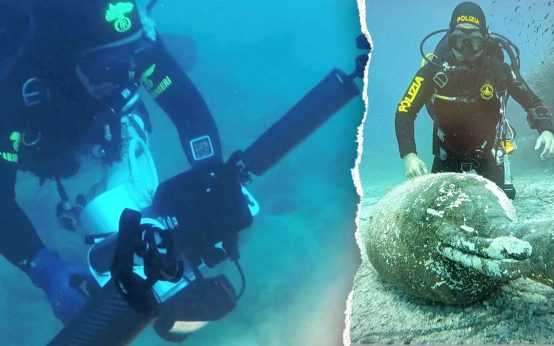 Police Discover Ancient Roman Artifacts Off Sardinian Coast
  Urgent Need for Action in East Africa’s Food Crisis
  Suspected Plague Death in Siberia Sparks Health Measures
 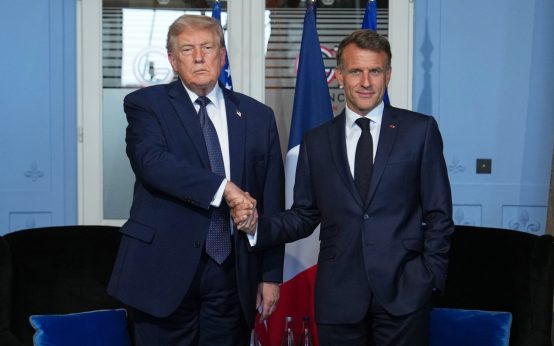 G7 Nations Agree to Release 100 Million Barrels of Oil Amid Fuel Price Surge
  Co-Pilot Attempts Hijack on Flight to Tel Aviv