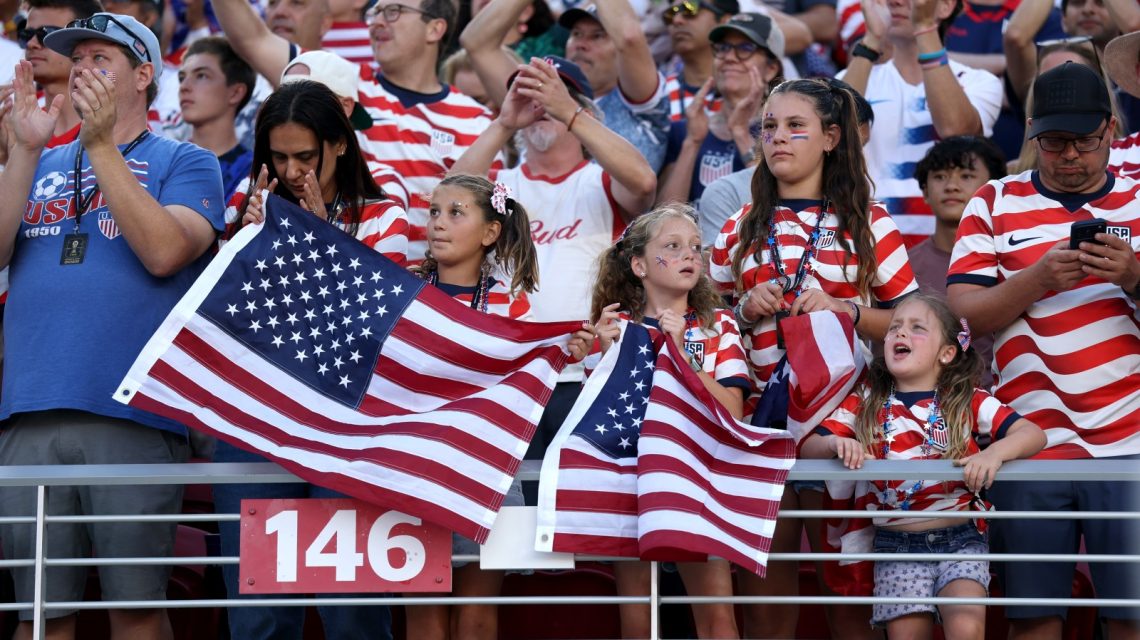
The FIFA World Cup has concluded in the United States, drawing millions of fans worldwide to experience live games. The atmosphere was vibrant, a testament to the sport’s universal appeal. While fans celebrate the event, it raises an important question: What is the World Cup’s legacy for children who can’t afford the experience?
Major sporting events often benefit already prosperous communities. Infrastructure improvements occur in thriving areas, and spending boosts local businesses in well-off neighborhoods. However, economic benefits seldom reach the communities most in need. The cost of attending games is prohibitive for many, even those living near the stadiums. For underserved communities, the World Cup can feel like an exclusive event they helped fund but couldn’t attend.
In these communities, recreational facilities are often lacking. Statistics show they are four-and-a-half times more likely to have insufficient recreational facilities compared to affluent areas. Soccer is meant to be accessible, yet high costs hinder participation.
“Soccer is supposed to be the people’s game. In too many places, it still isn’t.”
Real investment is necessary to reach children without access to the sport. The U.S. Soccer Foundation emerged as a legacy of the 1994 World Cup, aiming to expand soccer’s reach. Since then, U.S. Youth Soccer registrations grew from one to over three million by 2006.
Youth can gain much from soccer beyond the game itself. On a mini-pitch, they learn teamwork, conflict resolution, leadership, and resilience. Sports programs can improve not only physical health but also emotional and social well-being, academic involvement, and long-term outcomes.
The Zaffirini Family Foundation partnered with the U.S. Soccer Foundation to build mini-pitches in Laredo and Austin, Texas, providing vital community spaces. The U.S. Soccer Foundation has created over 850 mini-pitches and aims for 1,000 by 2026. An evaluation revealed 6.5 million children now live within a short walk of these facilities—progress, yet more work remains.
Failure to expand access to underserved areas would mean missing a significant opportunity. Some leaders understand this. New York Governor Kathy Hochul launched the $6 million NY Kicks initiative to fund soccer fields in disadvantaged neighborhoods. In Houston, the FREEKICKS Soccer program is refurbishing pitches and providing scholarships to children. On a national scale, Senator Todd Young champions legislation for youth sports facilities.
These models should guide host cities, governors, and mayors. The tournament has ended, and the chance to shape its legacy is limited. Businesses, philanthropists, and policymakers need to invest in communities that won’t host matches but deserve a share of the event’s benefits.
Soccer’s lasting legacy should focus on reaching every child, offering them the opportunity to play regardless of their neighborhood. While the World Cup visited America, the real goal should be to bring the game to every American child.
Carlos Zaffirini is part of the U.S. Soccer Foundation’s board. The Foundation strives to provide underserved communities with access to soccer and programs promoting well-being and potential.
The views expressed in this article belong to the author.
 Dan Fouts Reflects on Violent Football Incident
  Dodgers Begin NLDS Against Braves: Key Details and Roster Decisions
 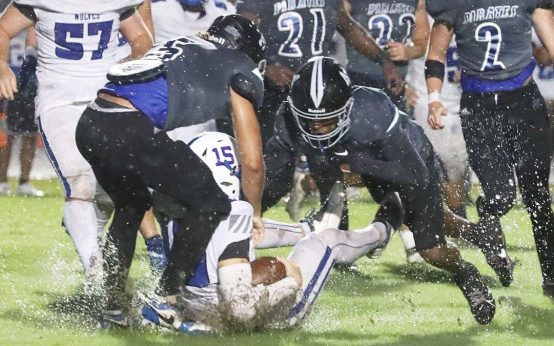 High School Football Tensions Flare in Central Florida
 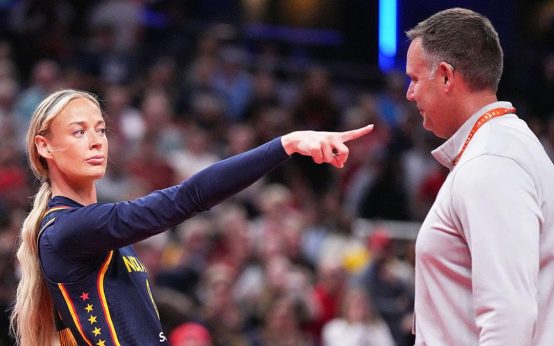 Indiana Fever’s Tumultuous Season and the WNBA’s Cultural Storm
 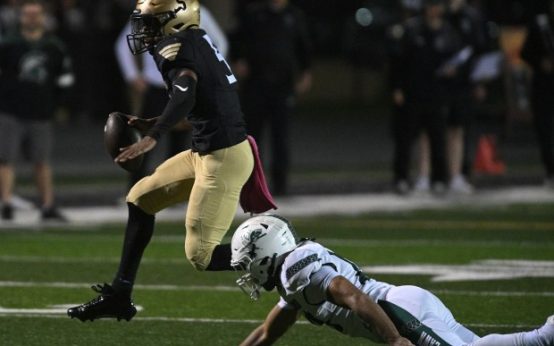 Chicagoland High School Football Teams Results in Week 7
  Northwestern Debuts New Ryan Field with Victory Over Penn State