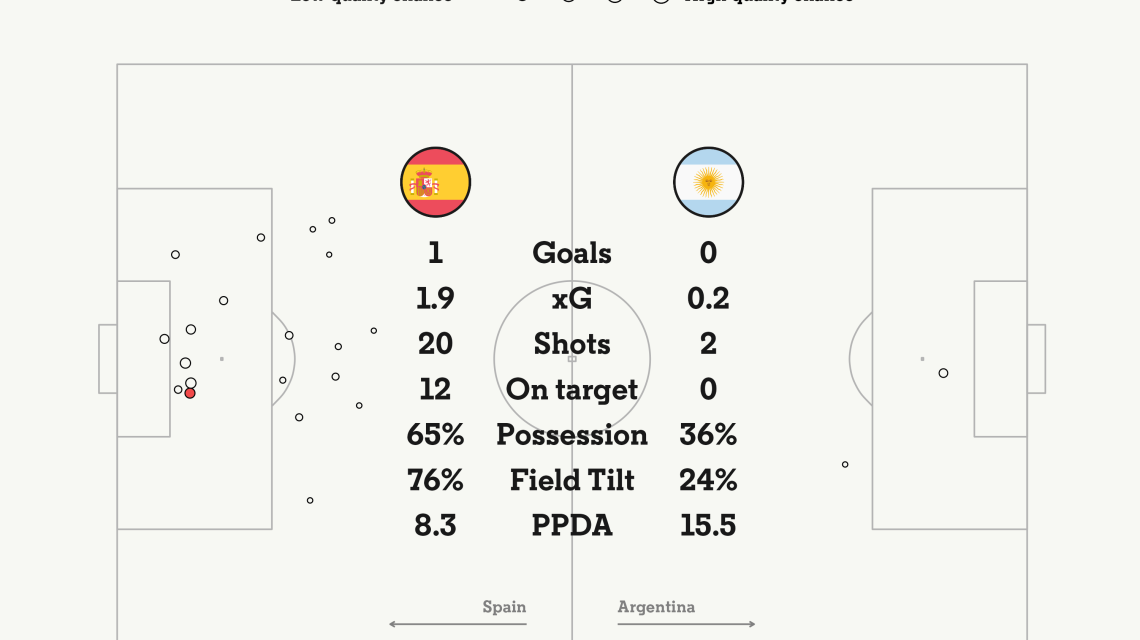
Spain secured their second World Cup title by defeating Argentina in extra time, repeating their 2010 success. Substitute Ferran Torres emerged as the hero, scoring past Emiliano Martinez in the 106th minute to shatter Argentina’s hopes and prevent Lionel Messi from claiming back-to-back World Cups.
Messi, at 39, had a subdued game, touching the ball only once in the first 15 minutes, from the kick-off. Argentina failed to register a shot in the first half, struggling to challenge Spain. Despite dominating, Spain had to wait until Torres capitalized on an excellent move to score.
The game’s break included a 27-minute half-time show featuring several performers, which did not help its stop-start nature. Near the game’s end, Enzo Fernandez received a second yellow card, reducing Argentina to ten players. With the extra player, Spain maintained their control and, despite having a goal disallowed, Torres secured the win.
Jack Lang, Tim Spiers, Dermot Corrigan, Conor O’Neill, and Graham Scott analyze the key moments…
The decisive moment: Spain relentlessly attacked, and Argentina’s persistent fouling suggested penalties were approaching. However, in the 106th minute, Spain broke through. A Pedro Porro cross reached Nico Williams, who set up Torres to score past Martinez. Spain’s tenacity, cohesive play, and defensive prowess throughout the tournament were key to their victory.
Messi’s farewell: Messi struggled against Spain’s tactics. Known for turning games around, this time he remained mostly quiet. Despite some late efforts, Spain’s strategy effectively neutralized him, highlighting the challenge that age and a well-prepared opponent can bring, ending his World Cup journey on a less-than-glorious note.
Post-match tensions: After the final whistle, tensions erupted between the teams. Argentina’s Nahuel Molina and Spain’s players engaged in confrontational exchanges. An ensuing scramble saw Leandro Paredes and others in heated disputes, showcasing emotions running high after a hard-fought match.
Impact of Fernandez’s red card: Fernandez’s second yellow card significantly altered the game’s dynamics. It forced Argentina into a reshuffled formation and diminished their attacking threat. Spain capitalized on the advantage, leading to Torres’ decisive goal.
Referee’s approach: Referee Slavko Vincic exhibited a lenient approach initially, which could have backfired. Failing to issue early cards, notably to Alexis Mac Allister for a reckless tackle, set a tone that allowed aggressive play. Cautions came later, affecting Argentina’s strategy and contributing to the match’s heated conclusion.
Spain’s defensive mastery: Spain’s performance, especially their ability to stifle Messi, was a tactical triumph. Strong possession and relentless pressure left Argentina struggling. Messi’s limited impact highlighted Spain’s effective high defensive line and possession strategy.
Rodri’s influence: Rodri emerged as a pivotal figure throughout the tournament. His presence, intercepting passes and facilitating play, provided Spain with stability. His efforts were crucial in dismantling Argentina’s tactics and enabling Spain’s relentless attack.
Half-time show criticism: The 27-minute half-time show drew criticism for unnecessarily interrupting a significant final. Despite its entertainment value and featuring acts like Madonna and BTS, it detracted from the match’s flow. Suggestions emerged to position such entertainment before or after future games, unlike the current Super Bowl-style approach.
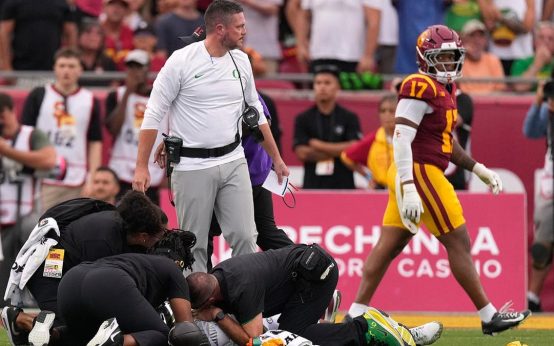 Dan Fouts Reflects on Violent Football Incident
  Dodgers Begin NLDS Against Braves: Key Details and Roster Decisions
  The Threat of Melting Glaciers: A Call to Action
 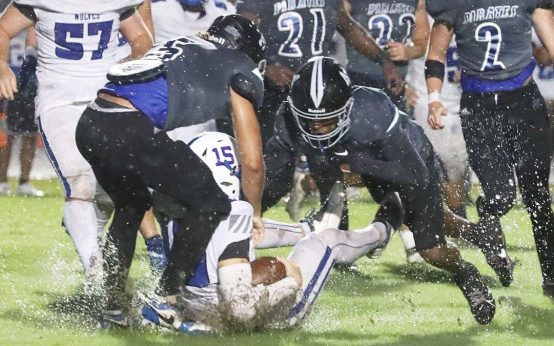 High School Football Tensions Flare in Central Florida
 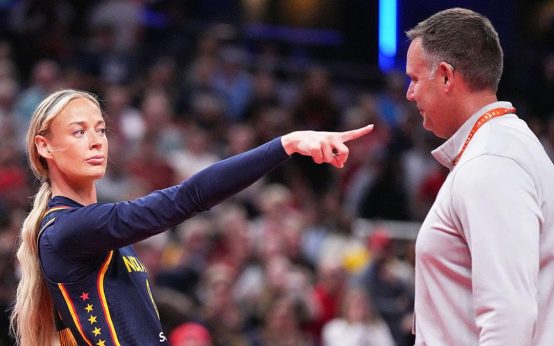 Indiana Fever’s Tumultuous Season and the WNBA’s Cultural Storm
 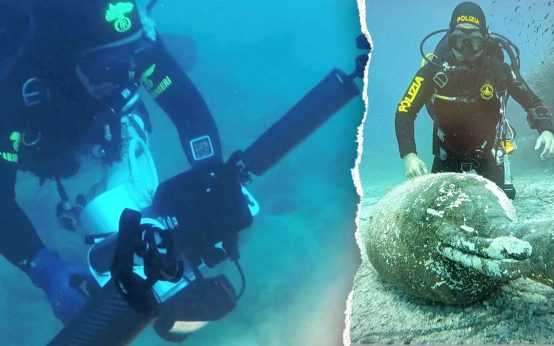 Police Discover Ancient Roman Artifacts Off Sardinian Coast