
In 2011, I joined scientists and engineers on a trek to Lake Imja, located about 17,000 feet up in Nepal’s Everest region. Reflecting on that expedition from my home in Peru, I was reminded of the potential dangers posed by warmer temperatures impacting permafrost in the northern district of Rasuwa, near Nepal’s border with Tibet.
When glaciers recede, they leave indentations from their weight. As the glacier melts, these indents fill with water, forming lakes that can grow until the pressure becomes too much, or an earthquake occurs. When Sir Edmund Hillary climbed Everest in 1953, Lake Imja didn’t exist. By 2011, it had become the fastest-growing among roughly 1,600 glacier lakes in Nepal. During our visit, the artificial lake stretched a mile and a half from the glacier, supported by unstable debris. An earthquake or increased pressure on the makeshift dam threatened severe consequences for nearby communities.
On August 26, an unfortunate event drew global attention to a similar danger. Above Rasuwa, a glacier fragment, comparable in size to a large New York City building, fell 4,000 feet. This triggered a tsunami as high-speed friction melted ice, creating a formidable wave composed of ice, snow, rocks, and mud. The wave destroyed infrastructure and lives in narrow valleys below, while hurricane-force winds flattened trees.
Currently, I am safe in writing this, but similar scenarios could happen in my country, other mountainous regions, or again in Nepal. Towers of ice and snow, weakened by rapid warming, threaten to cause devastation in vulnerable geographic areas.
Following our expedition to Lake Imja, we realized the importance of preparations to prevent such disasters. Real-time sensors and satellite communication systems can detect sudden water releases, offering warnings to downstream communities. Lowering water levels in high-risk glacial lakes can help reduce risks. Additionally, buildings and installations can be designed to withstand potential threats.
Though Lake Imja’s situation differed from the events at Rasuwa, it represented a similar hazard, comparable to what we face in Peru. In Huaraz Province, the Palcacocha glacial lake presents a significant risk. The Andes mountains in this area are warming, mirroring Nepal’s conditions. Approximately 100,000 people live downstream, including communities and schools positioned directly in a possible meltwater path.
As the executive director of the Instituto Andino de Montaña in Peru, persuading the city of Huaraz to install an early warning system was part of my role. Despite successfully implementing that system, efforts to lower the lake’s water level met resistance. Bureaucratic obstacles, misguided priorities, and concerns about diminishing tourism hindered progress. Without funding or commitment, we remain anxious, fearing the ongoing El Niño event could prove disastrous.
Grassroots Peruvians, residing in the countryside, distrust government officials to protect them from these known threats. Huaraz’s distance from Lima, the capital, contributes to feelings of invisibility. Federal officials attempt to shift responsibility to local and private entities. However, these local levels lack the technical capacity for such complex engineering tasks.
The U.S., where I completed my Ph.D., faces similar challenges. In Alaska, disasters like the glacial lake outburst floods at Suicide Basin on the Mendenhall Glacier occur annually. In Wyoming, a similar event took place in 2003 due to the rapid retreat of the Grasshopper Glacier. Beyond visible threats, melting glaciers release toxic minerals and metals into water supplies, eroding ecosystems over time.
Should disaster strike, whether in Peru, American communities, or elsewhere, official mourning will ensue. However, investing energy and resources into preventive measures now could save lives, turning potential grief into meaningful action.
Jorge Recharte Bullard, Ph.D., serves as the president of Instituto Andino de Montaña. He led the Andean program of The Mountain Institute from 1997 to 2019.
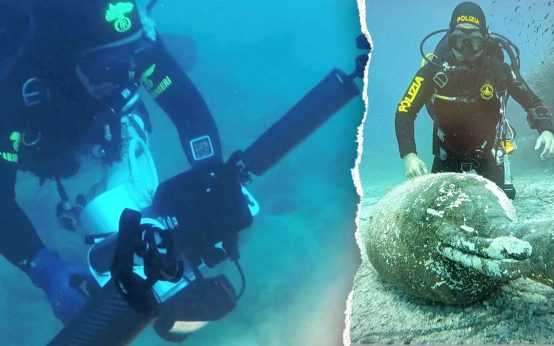 Police Discover Ancient Roman Artifacts Off Sardinian Coast
 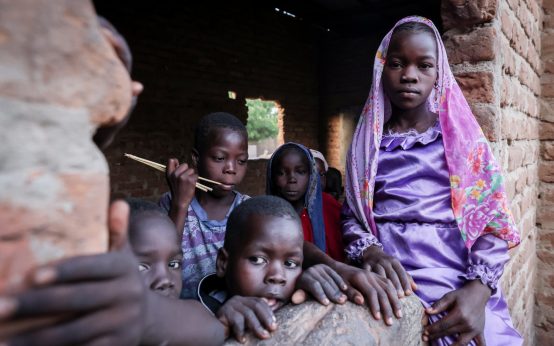 Urgent Need for Action in East Africa’s Food Crisis
 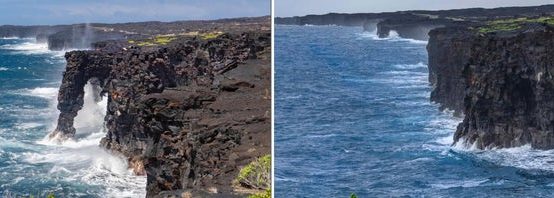 Collapse of Hawai’i’s Hōlei Sea Arch Amidst Storms
 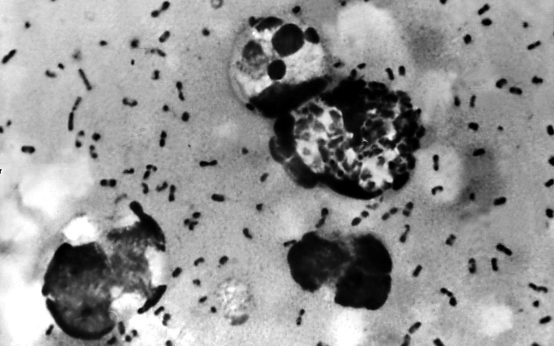 Suspected Plague Death in Siberia Sparks Health Measures
  Los Angeles Faces Uncommon Heatwave in October
  G7 Nations Agree to Release 100 Million Barrels of Oil Amid Fuel Price Surge