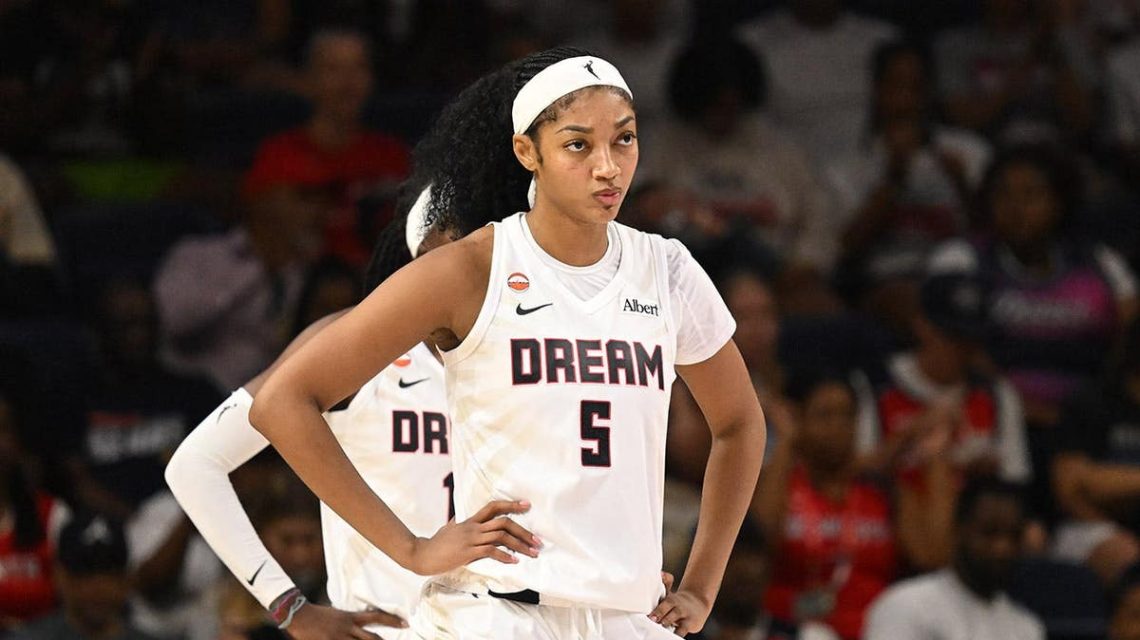
In today’s society, many individuals perceive victimhood as a means to gain attention and influence. Angel Reese, a notable WNBA star, exemplifies this trend. Reese has publicly portrayed herself as a victim, alleging unfair treatment from various sources such as fans, coaches, referees, reporters, and society as a whole. Ironically, the same society has also propelled her to fame and fortune.
Recent Controversy: Protected Species
Recently, Reese became embroiled in controversy when Toronto Tempo coach Sandy Brondello referred to her as a “protected species.” This comment, intended to suggest that Reese received preferential treatment from referees, was interpreted by Reese as racially insensitive. She responded via social media, implying racism in Brondello’s remark despite its common usage in Australian sports parlance to denote favoritism, not race. Reese capitalized on this, using it as an opportunity to claim victimhood.
Brondello’s Background
The backlash ignored Brondello’s Australian background and cultural context. The phrase “protected species” is widely used in Australian sports to imply favoritism, with no racial undertones. Notably, Danica Patrick, a White NASCAR driver, was described as a “protected species” in similar terms. Despite the explanation, Brondello apologized due to fear of losing her job, illustrating the peril coaches face in the WNBA.
Internet Trolls
Reese is not unique in facing public scrutiny and online abuse. Similar to many public figures, Reese has received offensive messages. Although fake explicit images of her appeared online, Reese portrays such attacks as being exclusively targeted at her, ignoring the widespread nature of online harassment affecting all prominent figures.
Celebrity’s Double-Edged Sword
Fame brings not only benefits but also challenges, including criticism and trolling. Reese could leave her career for privacy, yet she chooses to continue, indicating the value she places on the fame and fortune it offers. Her narrative stretches when criticisms arise, framing them as attacks on her identity and using race as a mechanism to deflect criticism.
Public Incidents
Several incidents highlight Reese’s approach to public attention. For example, Reese turned a competitive gesture during a championship game into a racial controversy, despite the absence of racial components. The WNBA investigated her claims but found no evidence substantiating many allegations.
The Role of Media
Reese has expressed distrust towards media portrayal, suggesting her words are often twisted. Yet, her comments captured in video or audio clearly reflect intention and context. Her approach to media highlights a desire for control over how public perception forms around her statements.
Benefiting from Controversy
Reese’s portrayal as a victim has profound implications for her career. It boosts her notoriety, which turns into endorsements, attention, and sponsorships. While the criticism she faces is not always fair, Reese skillfully navigates these controversies to enhance her profile.
To summarize, Angel Reese’s journey in the public sphere is multifaceted. While she faces legitimate issues, Reese leverages victimhood narratives to augment her public persona. This strategy has worked exceptionally well in enhancing her fame and wealth, demonstrating an understanding of the complexities of celebrity culture.
 Nick Saban’s Comments on ESPN Spark Debate Over College Sports Regulations
  Freddy’s American Adventure: From Soccer to College Football
 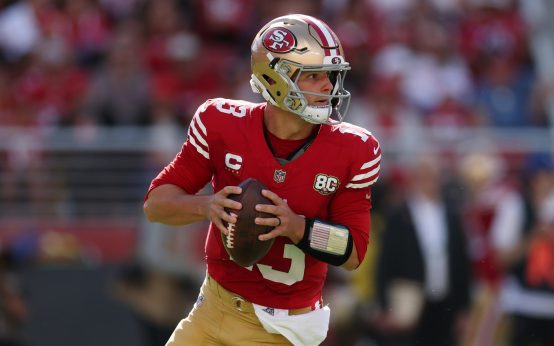 Brock Purdy’s Impressive Start in the 2026 NFL Season
  The Value of Retaining Miles McBride for the Knicks
  Penguins Make History with Dominant Season Opener
  Sonny Gray Expresses Frustration After Game Against Yankees