
The recent tariffs imposed by President Donald Trump have sparked criticism regarding their effectiveness in addressing forced labor in supply chains. Despite claims that the tariffs aim to combat this issue, inconsistencies in their application raise questions.
Key trade partners like Japan and New Zealand face similar import taxes as China, which undermines the expressed motive of targeting forced labor practices. Additionally, an exemption for oil and gas imports appears contradictory to the stated goals.
These discrepancies suggest that the tariffs may not be solely focused on eliminating forced labor from supply chains. The treatment of allied countries and specific exemptions indicates a complex strategy that likely involves other economic or political considerations.
 Justice Alito Remains Committed to Supreme Court Role
 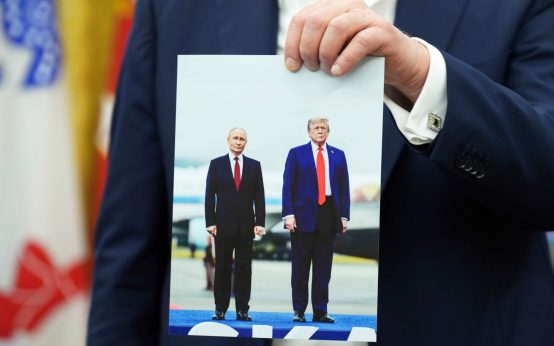 Backlash Against Trump’s White House Photos
 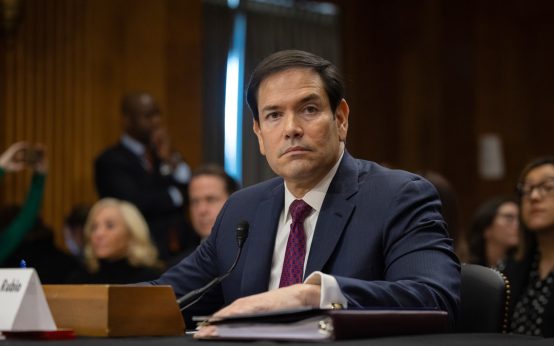 State Department Accuses Senate Democrats of ‘Grandstanding’ Over Venezuela Oil Deal
  Texas Senate Candidates Address Attacks with New Ads
  Republicans Withdraw Financial Support from North Carolina Senate Campaign
  Defense Secretary Ensures Military Votes Are Counted