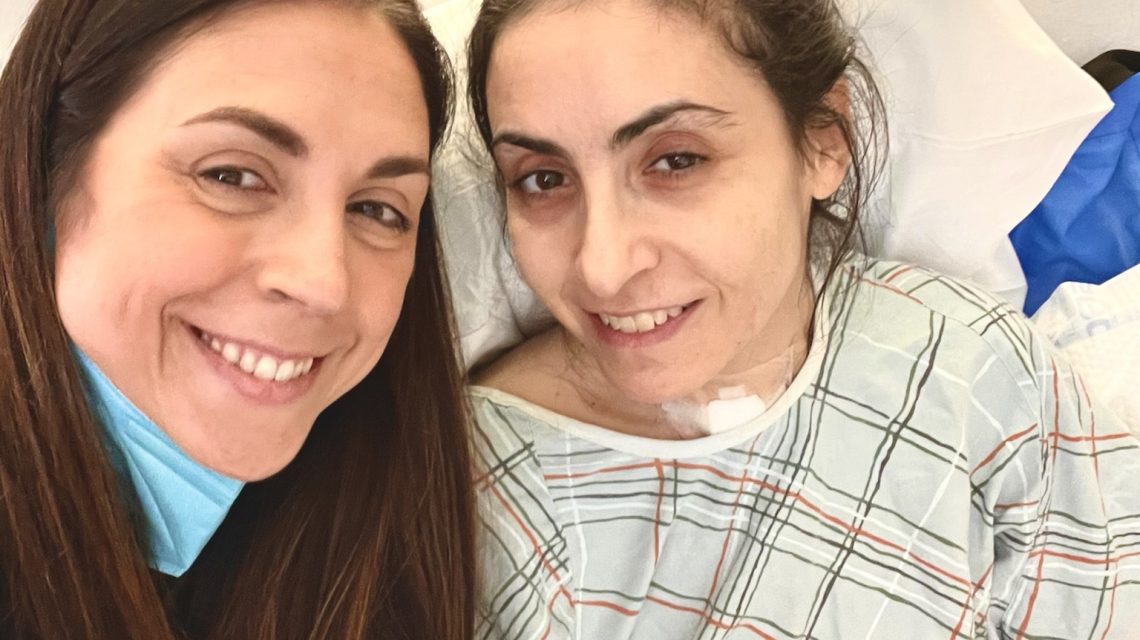
Four years ago, an event changed my life drastically. On January 8, 2022, I awoke with a dire feeling. I told my doctor, “I feel like I’m dying.” Speaking was difficult, getting out of bed seemed impossible, and my head felt ready to burst.
The previous day, after thinking I had a respiratory infection, I visited the ER but was sent home. However, overnight, my condition worsened. My speech slurred, weakness took over, and confusion set in. My parents rushed me back to the hospital where doctors diagnosed me with viral encephalitis. This rare brain infection inflames the brain and can quickly become life-threatening.
I soon found myself induced into a two-week coma. Upon waking, simple tasks like speaking, breathing, eating, and walking became challenges.
Today, I call New York City home. I am employed full-time, live on my own, and run almost daily. In fact, I am training for my 10th marathon. Sometimes, I forget how extraordinary my journey has been.
Surviving does not mean life becomes simple. It means viewing life through a different lens.
Previous Battles with Health
Before the brain infection, I had already confronted a major health challenge. In 2002, at age 23, doctors diagnosed me with multiple sclerosis (MS). My feet and legs became numb, and I was warned that walking might become impossible. I kept this diagnosis private for years, not wanting it to define me. Through rehabilitation and determination, I regained my strength.
But nothing prepared me for January 2022. A simple cold morphed into something far more dangerous. When I awoke from the coma, my body was unfamiliar to me. Muscle loss and weakness were apparent. Even sitting at the edge of the bed proved exhausting. Standing for the first time was a 30-minute ordeal, requiring assistance for a single step.
The Road to Recovery
I realized the fragility of life. Before the infection, I was healthy and independent. Suddenly, I needed assistance with basic tasks. But I resolved to fight back.
Relearning to move your body is humbling. Placing your feet on the floor becomes a victory. Physical therapists, full of patience, surrounded me. They encouraged me, even when progress seemed invisible.
Upon leaving the hospital, recovery remained challenging. It involved physical therapy, speech therapy, and occupational therapy. Small repetitions and victories marked progress—walking down a hallway, standing unaided. Three months post-hospital, I completed a run-walk 5K. This race was not just about running; it was reassurance that I was moving forward. After months of mastering standing and walking, crossing the finish line felt like reclaiming a lost part of myself.
Eight months after nearly dying, I ran the New York City Marathon for the second time. This is not shared to impress, but to emphasize that recovery is not magical. It involves mundane, repetitive, exhausting work—attending therapy even on low-energy days, training through muscle tremors, and believing in unmeasurable progress.
Resilience lacks glamour. It is quiet dedication. Four years later, I celebrate my “life anniversary.” Life isn’t perfect, but I am alive. Deadlines can frustrate me, and long training runs can seem daunting. However, I am reminded of my past—lying helpless in a hospital bed.
Giving Back and Gaining Perspective
Now, I volunteer at Mount Sinai, working with patients in neuro rehab facing challenging prognoses. Some may never walk unaided or live independently. My presence serves not as a miracle, but as proof that progress is possible. I honestly share with them: surviving makes life approach change, redefining strength, and celebrating small victories become essential.
Healing isn’t straight. Setbacks happen. Multiple sclerosis brings fatigue, varying physical strength, and the decision to rest rather than exert. I’ve learned resilience is not just about pressing on; it is often about recognizing recovery as strength.
Running has become my symbol. Starting this journey in 2019 at 40, running took on deeper significance post-encephalitis. Each mile represents overcoming challenges. Each marathon declares my body’s resilience, not fragility.
I’ve completed nine global marathons, including five Abbott World Marathon Majors. In March 2027, I plan to start in Tokyo for my sixth Abbott World Marathon star. However, medals hold less importance than the journey—once, I couldn’t walk. In 2002, walking seemed impossible. In 2022, I was in a coma, relearning fundamental actions. Between these milestones, I made countless regular decisions to continue.
People inquire about my outlook. I believe we can’t control events, but we can control responses. Surviving a brain infection makes me understand how rapidly situations change. I know that forward movement, however imperfect, affects outcomes.
Four years since almost losing my life, I embrace living independently. I work and run. I support others in their battles. I wake each day with a new understanding—surviving is more than luck. Realizing prognosis doesn’t dictate destiny, resilience overpowers fear, and a second chance can make life greater than before.
Amy Gruenhut, a marketing executive based in New York City, is a marathon runner who volunteers with Mount Sinai’s neuro rehabilitation program, guiding patients on their recovery paths.
All views expressed are the author’s own.
 Increased Funding Needed for Psychiatric Hospitals
  Trump Administration Distributes ACA Refund Checks
  Higher Consumption of Ultra-Processed Foods Linked to Increased Health Risks
  Understanding Inflammation: Myths and Facts
  Calm Parenting: Strategies to Manage Stress
  Trump’s Executive Order to Combat Mosquitoes and Ticks in D.C.