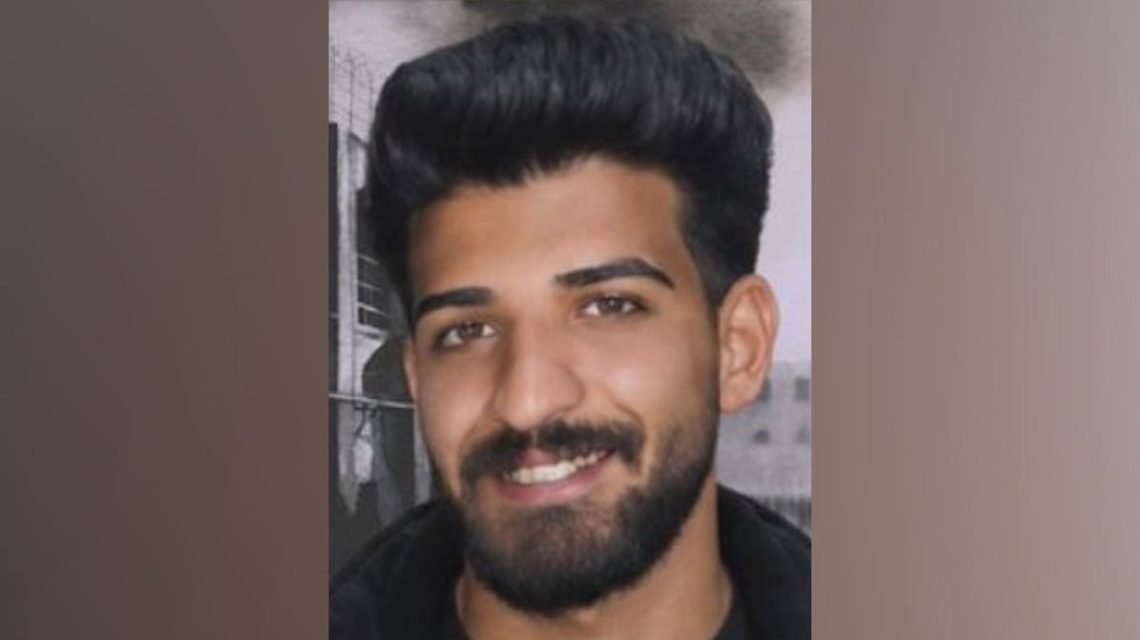
On Tuesday, Iran executed two young men publicly, Abolfazl Sepahi Badjani and Amirhossein Safari Hosseinabadi, over their alleged involvement in anti-government protests that took place in January. The executions occurred in Isfahan’s Shahid Alikhani Square, with onlookers expressing strong disapproval by chanting “Dishonorable, dishonorable!” The National Council of Resistance of Iran (NCRI), an exiled opposition group, reported that security forces used tear gas to disperse the crowd.
Reports indicate that Sepahi Badjani and Hosseinabadi faced charges related to their participation in protests on January 8. The Iranian judiciary accused them of severe crimes, including the killing of four State Security Force members and the destruction of public property. Additionally, they were charged with moharebeh, meaning “enmity against God”, and efsad-fil-arz, or “corruption on Earth”. The NCRI and human rights organizations have raised concerns about the fairness of their trials, pointing out the lack of legal representation and reliance on coerced confessions.
According to reports from Iranian state media and the Mehr news agency, the executions drew a crowd in Alikhani Square. The event underscored Iran’s ongoing crackdown on protestors that have been demanding change since protests began in December. Human rights groups argue that these executions follow unfair trials and violate international standards.
The judiciary claims that the executed men had legal representation, appeals were processed, and their convictions were based on substantial evidence, including police reports, cellphone data, and witness testimonies. Despite these claims, human rights advocates remain skeptical and condemn the hangings as acts of state terror intended to suppress dissent.
Further controversy arises as U.N. experts warned that other defendants from the same protest case face imminent execution. Human Rights Watch reports a surge in executions related to national security charges, with at least 50 people executed over recent months.
Protests that began due to economic distress have grown into a significant movement against the Iranian government. Mahmood Amiry-Moghaddam, Director of Iran Human Rights, argues that public hangings are tools of intimidation, intended to instill fear and deter future protests. He calls on the international community to condemn these acts.
 The Trump Team’s Challenge to the Military Leadership
  Maryland First State to Restrict Electronic Pricing in Grocery Stores
  British Police Arrest Man Suspected of Terror Plot
  Activists Push for Nationwide Ban on Child Marriage in the U.S.
  Democratic Hopes and Historical Warnings in 2026 Senate Race
  Republicans Face Challenges Amidst Cost of Living Concerns