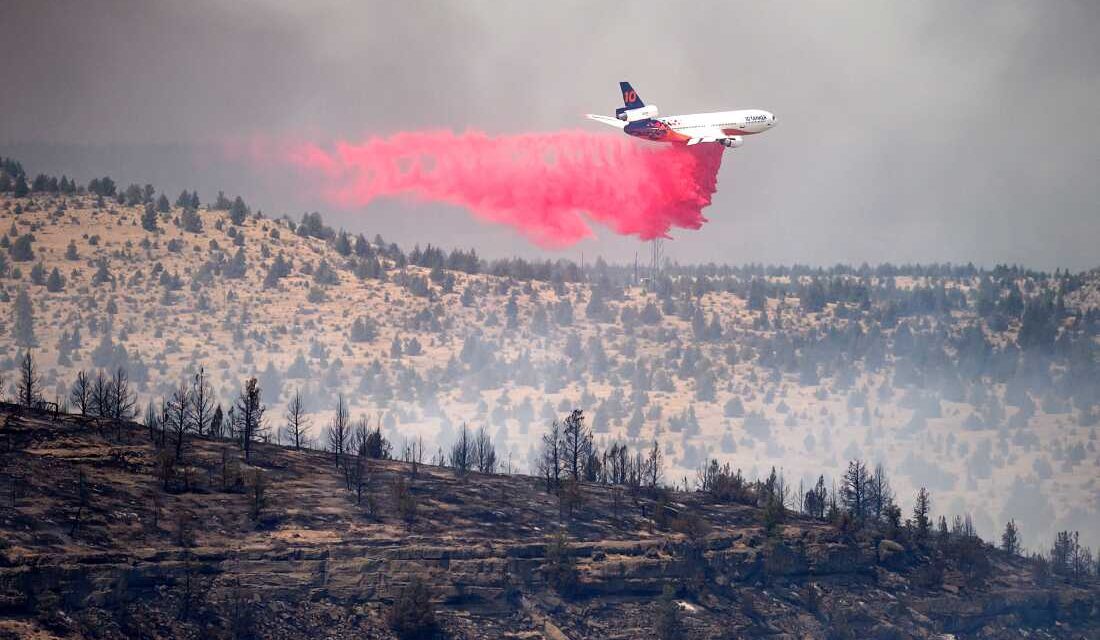
Oregon Faces Widespread Wildfires
The state of Oregon is grappling with an alarming wildfire situation. Over a million acres have burned across central and eastern regions. With 34 significant fires on public range lands extending from Bend to the Idaho border, dense smoke blankets the area.
Environmental Impact and Health Concerns
Smoke affects not just Oregon; Boise, Idaho is under air quality advisories. Over 700,000 residents confront health risks due to this dense smoke. Officials advise vigilance, particularly with the fire season still in its early stages.
Climatological Factors
Worry looms over dry conditions exacerbating vulnerabilities at higher altitudes. Last winter’s record-low snowpack heightens these concerns. Larry O’Neill, Oregon State University’s climatologist, is apprehensive about weather moderation prospects.
Ignition and Spread
A lightning storm recently ignited many of these rapid fires. Strong winds spread the flames, displacing thousands and endangering numerous small towns. Ranchers rush to safeguard cattle by relocating them.
Community and Economic Impact
Mary Thompson, resident near the Coleman Creek Fire, highlights the rural community’s struggle. The fires threaten livelihoods as ranchers depend heavily on federal lands for grazing. Although no cattle losses are reported, exorbitant hay costs loom.
Emergency and Response Efforts
Oregon’s rural fire brigades, joined by state and federal crews, respond tirelessly. Road closures complicate evacuation and travel, affecting residents like Terry and Kara Barnes. The couple is surprised by the unexpected difficulties of returning home.
Public Concerns and Criticism
With roads closed and patience fraying, public concerns intensify. Criticisms focus on fire management, especially in rural conservative regions that allege public land mismanagement. Kara Barnes stresses the need for rapid fire response.
Resource Limitations
National shortages exacerbate the problem. The National Interagency Fire Center’s highest alert level reflects this strain, leaving potential fires without adequate federal resources.
Political and Climate Considerations
Recent federal staff cuts add another layer of challenge. The combination of funding reductions and human-caused climate changes, as noted by O’Neill, contributes to drier conditions.
Ongoing Risks and Efforts
Amidst heatwaves, Catherine Randall shares her experience of evacuation from Huntington. She remains hopeful yet prepared for uncertainty, as authorities evacuate using unconventional means like school buses.
The moon’s red hue offers a bittersweet view, partially cooling scorching afternoons by blocking the sun.
 Rare Bison Skull Discovery in Alberta Raises Questions About Its History
 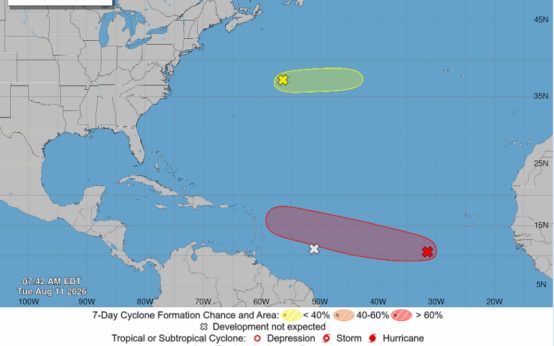 Atlantic Disturbance May Become Third Named Storm of 2026
 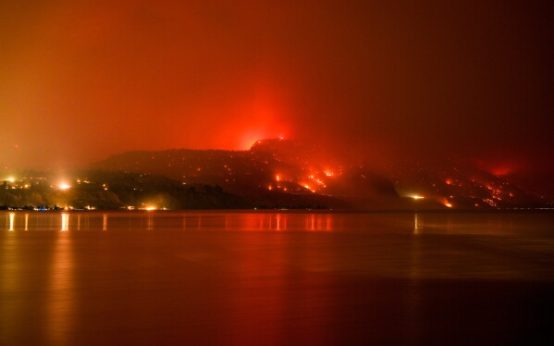 Canada’s Battle Against Wildfires Intensifies with Military Standby
  NOAA Withdraws Direct Support from 2026 Arctic Report Card
  Mayor Johnson Orders Stricter Data Center Regulations in Chicago
  NOAA Withdraws Support from Arctic Report Card