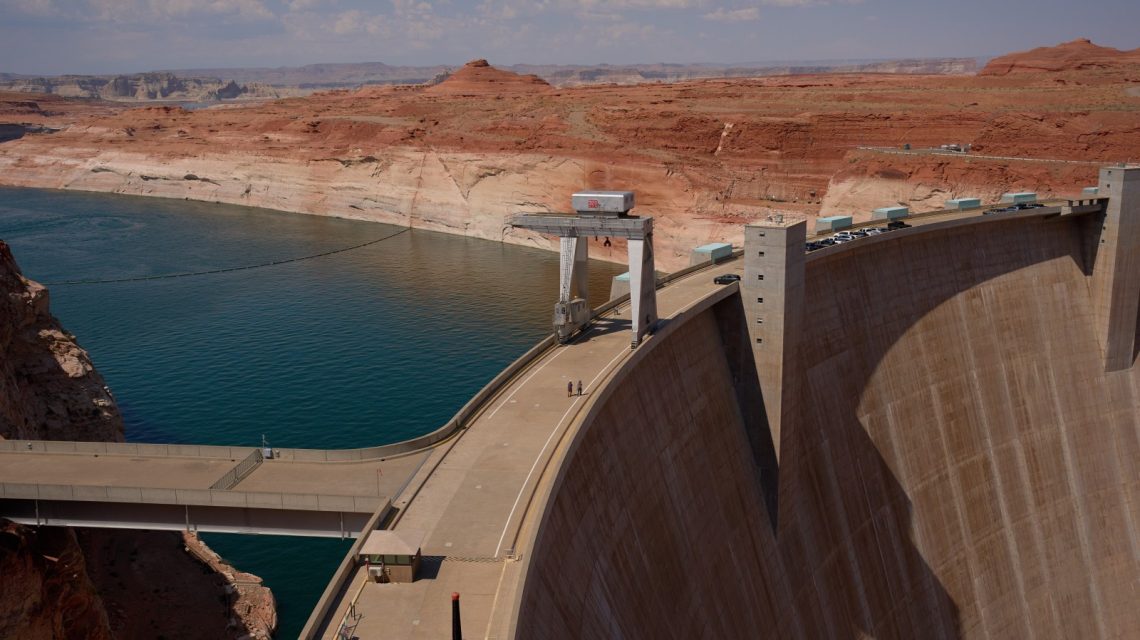
The U.S. Energy Information Administration (EIA) reports that hydropower generation in the Southwest reached a record low this summer. Water levels in Lake Powell and Lake Mead, created by the Glen Canyon Dam and Hoover Dam respectively, fell close to the minimum needed for electricity production due to prolonged drought in the Colorado River Basin.
Hydroelectric power in the Southwest was 19 percent lower from April to August compared to the same period last year and 28 percent below the 10-year average. This decline raises concerns as the Colorado River Basin serves around 40 million people and supports agriculture, municipal water supplies, and electricity generation.
Impact of Drought on Hydropower
Seven states rely on the Colorado River for hydropower and water supplies, including Arizona, California, Colorado, Nevada, New Mexico, Utah, and Wyoming. Adequate water pressure is essential for power generation, but low reservoir levels have decreased flow through turbines.
At the end of September, Lake Powell was at 3,518 feet, just above the 3,490-foot minimum for electricity generation. Lake Mead’s level was 1,038 feet, 88 feet above the required minimum for Hoover Dam.
Future of Hydropower and Mitigation Efforts
Hydropower is one of the cheapest electricity sources in the West. As water shortages reduce dam output, utilities increasingly rely on natural gas, solar, and imports. By 2026, the EIA expects hydropower to make up 4 percent of the Southwest’s electricity mix, down from 8 percent in 2011.
To combat water level decline, federal initiatives include releasing water from the Flaming Gorge Reservoir to support Lake Powell, while reducing Lake Powell releases to maintain levels. California, Arizona, and Nevada must collectively cut water use by 1.25 million acre-feet annually for two years, akin to the usage of several million households.
Recent Developments and Forecast
Despite summer lows, reservoir levels slightly improved by September end. Lake Powell remained above the critical threshold, and Lake Mead stayed safely above the minimum for Hoover Dam operations.
The EIA suggests an El Niño weather pattern may bring more precipitation, enhancing reservoir inflows and hydropower. While 2024 hydropower output is predicted to stay at 6.1 billion kilowatt-hours, increased snowpack could offer drought relief. Yet, a single wet year won’t offset years of water scarcity.
Experts caution prolonged drought could further strain water supplies and elevate utility costs over time.
 Data Centers Face Challenges in Vernon, Los Angeles
 Rams Captured Relaxing in Residential Area
 Global Climate Finance and the Developing World: A Turning Point
 Hidden Plastics in Everyday Items
 The Final Journey of the SS United States
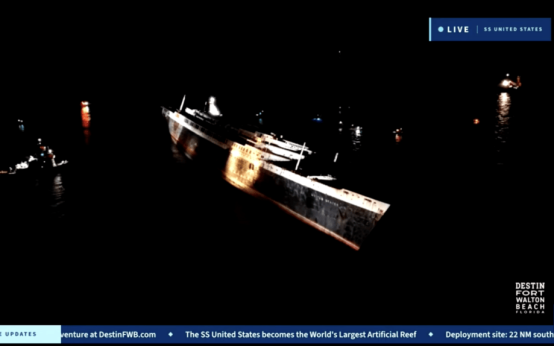 SS United States Transformed into World’s Largest Artificial Reef