
Many people struggle with medical debt, which can appear unexpectedly after illness or an injury. Unlike other debts, you don’t actively choose this debt. It often surfaces unexpectedly, leaving a financial burden long after care is provided.
Given current economic pressures, even individuals with health insurance may face large out-of-pocket expenses. Many receive separate bills from multiple providers, making the total amount owed both confusing and overwhelming.
Options to Tackle Medical Debt
In this situation, many assume they can either pay in full or wait for collections. However, there are steps to take before reaching collections:
Negotiate Before Collections
You can negotiate medical debt before it reaches collections. Providers often prefer direct negotiation with patients, as it increases the chance of recovering payment.
Here are strategies for negotiation:
- Request an Itemized Bill: Examine your charges to spot errors like duplicate fees or incorrect services. If errors exist, have them corrected before negotiating.
- Apply for Financial Assistance: Many nonprofit hospitals have programs to reduce or eliminate bills based on income and household size. Inquire about applications for such programs.
- Negotiate a Discount: Ask if a lump-sum payment or prompt-pay discount is possible. Securing an agreement in writing is crucial.
- Set Up a Payment Plan: An interest-free payment plan allows balances to be paid over time, avoiding debt collectors.
When Debt Relief May Help
Direct negotiations may not be enough if you face other debts. Debt relief companies might negotiate with creditors for reduced payments. These programs suit those experiencing significant financial distress. They may impact your credit and often charge fees, requiring you to meet specific criteria.
Before committing to a program, review your options. Sometimes, managing your budget or directly negotiating can suffice.
Conclusion
Medical debt need not reach collections before seeking solutions. By contacting providers early, you maintain flexibility. Conversations about payment options or financial assistance should start as soon as possible.
If medical debt is part of a larger debt issue, investigating debt relief might be beneficial. Addressing unpaid bills early can save money and provide more solutions.
 Increased Funding Needed for Psychiatric Hospitals
  Trump Administration Distributes ACA Refund Checks
  Higher Consumption of Ultra-Processed Foods Linked to Increased Health Risks
  Understanding Inflammation: Myths and Facts
 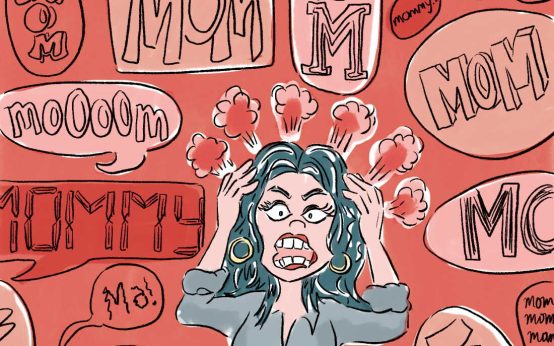 Calm Parenting: Strategies to Manage Stress
 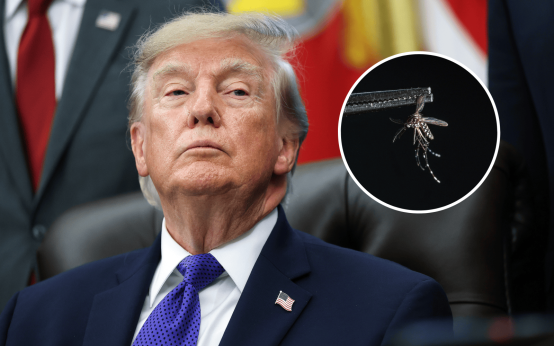 Trump’s Executive Order to Combat Mosquitoes and Ticks in D.C.