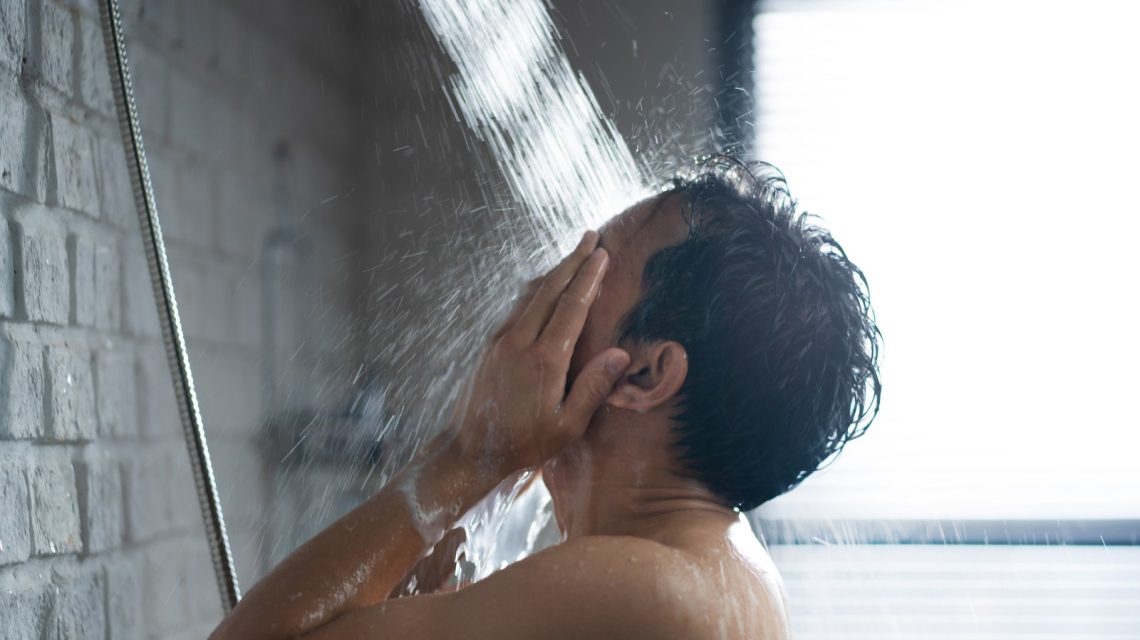
A recent study reveals that small choices made during showering, such as how often you wash your hair or use water, can greatly affect household water consumption. This research, published in the Journal of Environmental Management, suggests that shower routines influence water use more than factors like age, gender, or household traits.
The study monitored 319 German households for showering habits. Smart sensors tracked 8,550 shower events over 40 days, recording shower lengths, water-flow pauses, and environmental factors. Data were paired with surveys about demographics and product use.
Findings showed that what you do in the shower strongly affects shower duration. For instance, using shampoo twice or more extended showers by about 27% compared to a single application. According to study co-author Dr. Pablo Pereira-Doel from the University of Surrey, routines like applying shampoo twice or not turning off water while lathering can surprisingly lengthen shower times.
The study also identified that interrupting water flow three times or more during a shower led to about 20% longer showers. When comparing with single interruptions, the duration was 28% longer. Age seemed to matter too, as younger and middle-aged adults generally took longer showers than those over 50.
Furthermore, water hardness impacted duration. Regions with soft water saw showers lasting 23% longer than areas with hard water. This could be due to soft water creating a richer lather for a more comfortable experience, encouraging longer showers.
According to the EPA, an average American shower uses about 16 gallons of water in eight minutes. Technological efforts to lower household water demand, like efficient showerheads, have been prevalent. However, researchers argue that addressing shower behaviors is vital. Suggested strategies include promoting single shampoo use and encouraging water flow to be switched off while lathering.
Dr. Pereira-Doel emphasized designing solutions aligned with people’s habits. Behavioral nudges, feedback devices, and improved product design could reduce water use without sacrificing comfort. The central takeaway is that minor actions in the shower measurably affect water consumption. While conservation technologies remain crucial, understanding daily habits could be equally essential in reducing water use.
 The Threat of Melting Glaciers: A Call to Action
  Collapse of Hawai’i’s Hōlei Sea Arch Amidst Storms
  Los Angeles Faces Uncommon Heatwave in October
  Drought Drives Black Bears Closer to Human Activity
  Atlantic Ends September Without a Hurricane for First Time Since 1994
  Bobcat Sightings and Conservation Efforts in Illinois