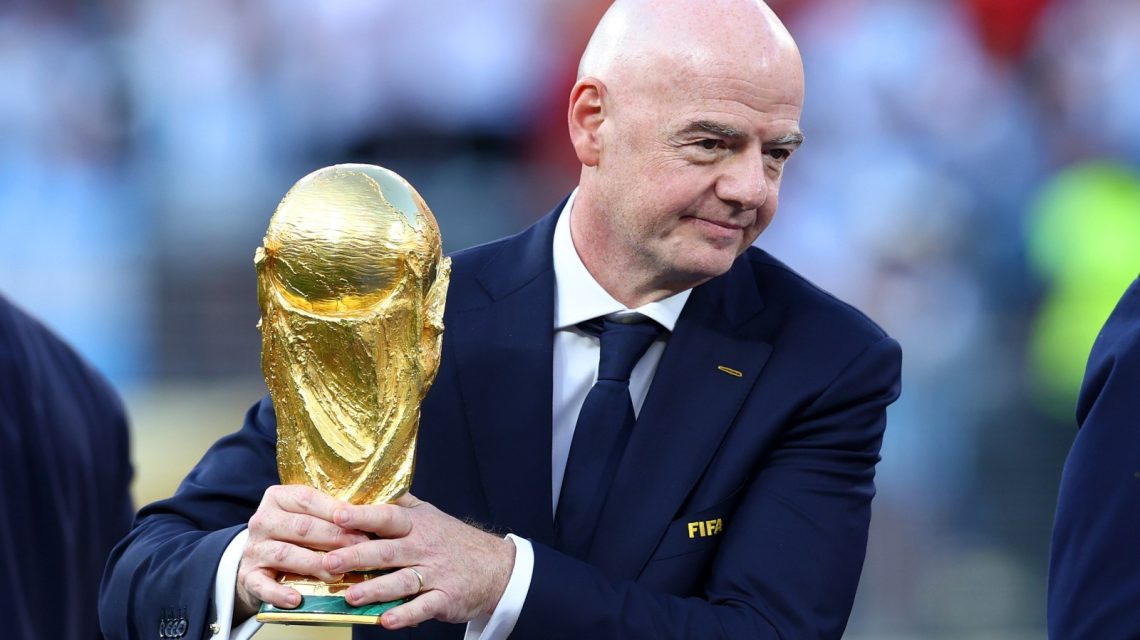
FIFA President Gianni Infantino’s plan to involve private investors in the World Cup has led to widespread protests during his leadership. The proposal envisioned spinning off FIFA’s commercial operations into a new entity called FIFA Forward Enterprise. This subsidiary, developed with JPMorgan and valued at around $20 billion, aimed to sell a minority stake worth up to $4.2 billion to outside investors while maintaining majority control.
Infantino presented the plan as a means to boost investment in global soccer. He aimed to get approval from FIFA’s 211 member associations by September 19, offering each up to $24 million during the 2035-39 cycle. Opponents said the plan signaled a strategic shift towards hosting the World Cup more frequently.
The proposal met significant resistance. UEFA’s 55 member associations and CONCACAF rejected it. Later, the Asian Football Confederation, once supportive of Infantino, also expressed concerns about FIFA’s governance. UEFA accused FIFA of secretively advancing the plan and warned Infantino of losing trust among the global soccer community.
“The World Cup is not for sale,” UEFA declared, threatening to boycott FIFA competitions.
Internally, the backlash spread to FIFA’s officials. Carlos Cordeiro, a senior adviser, resigned, labeling the plan as harmful to soccer. FIFA’s Chief Operating Officer, Kevin Lamour, criticized the lack of transparency surrounding the project.
FIFA tried to fend off criticism, stating that no sale of football was taking place, blaming media inaccuracies for the disruption. Despite these controversies, Infantino appeared poised to win re-election in 2027, with extensive support from member associations worldwide.
UEFA’s Growing Influence
UEFA, one of FIFA’s main powerhouses, escalated its opposition. It criticized FIFA for prioritizing the interests of a select group. UEFA’s President claimed the proposal threatened soccer’s integrity.
Mark Pieth, former head of FIFA’s Independent Governance Committee, viewed UEFA’s vote as pivotal. He suggested it could lead to UEFA forming a separate global tournament.
Simon Chadwick, an expert on sports geopolitics, mentioned the challenge UEFA faces with Infantino’s established network. While opposition grows, the ultimate decision lies with FIFA’s broad base, such as the African associations.
Elite Clubs and Commercial Interests
The clubs that employ top players hold another level of influence. Major European clubs have the potential to refuse player participation in excessive tournaments. European Leagues and FIFPRO Europe condemned the expansion of the soccer calendar amid the sale proposal, warning about its commercial implications.
The European Club Association has a complex relationship with FIFA. Its chair, Nasser al-Khelaifi, once aided Infantino in defeating the European Super League and has collaborated on the expanded Club World Cup.
Infantino’s Strategic Moves
Infantino’s leadership focuses on expanding FIFA’s market reach. His plan to hold the World Cup biennially was blocked by UEFA and the European Club Association due to scheduling concerns. FIFA’s expansion of the Club World Cup to 32 teams placed it in direct competition with UEFA’s Champions League.
The FIFA Forward Enterprise plan emerged in discussions with Joshua Kushner, connected to the Trump family. This raised ethical questions about potential nepotism and conflicts of interest.
Infantino’s strategies aim to strengthen FIFA’s global presence, particularly in Africa, by promising financial incentives. Despite the proposal’s backlash, Chadwick notes that support from African associations remains vital for Infantino’s leadership.
FIFA projected a revenue of approximately $13 billion for the cycle including the 2026 World Cup, showcasing financial success despite the internal and external disputes.
 Yankees Sweep Red Sox in AL Wild Card Series
  Arike Ogunbowale Shines in Dallas Wings’ Overtime Victory
  Dallas Cowboys Acquire Joey Porter Jr. in Major Trade
 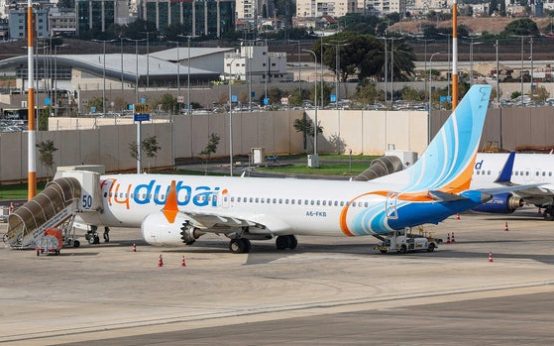 Incident on FlyDubai Flight Raises Security Concerns
 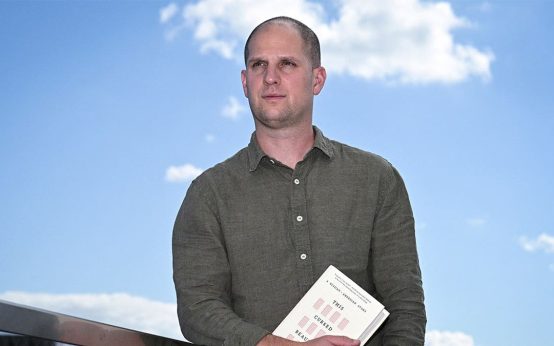 Journalist Gershkovich Discusses Wrongful Detention and Release in Russian Prisoner Swap
 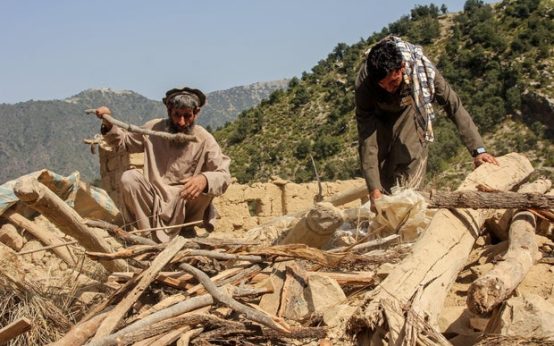 Pakistan Airstrikes in Afghanistan: Civilian Casualties Reported