
Many Californians worry about increasing energy costs. Electricity rates have surged significantly, and gas prices fluctuate with international tensions. Families face rising expenses beyond their control. Yet, high energy prices are not unavoidable. They result from choices made by influential entities.
Before joining Congress, I worked as an environmental lawyer advocating for affordable clean energy. Today, data shows renewable power is among the least expensive and quickest to integrate into the grid. Excluding it increases costs for families.
Why Energy Costs Increase
Energy costs climb for two reasons. First, when we limit lower-cost renewable sources and depend on unstable fossil fuels, power prices rise. Second, fossil fuels leave behind costly damage, affecting insurance, disaster recovery, and taxes. Both reasons are worsening and stem from specific decisions.
The National Oceanic and Atmospheric Administration noted 27 billion-dollar weather and climate disasters in 2024, causing nearly $183 billion in damage. Over five years, such disasters have cost over $746 billion, affecting insurance, utility rates, and taxes.
In Los Angeles, climate-driven wildfires caused significant devastation. These fires claimed 440 lives, displaced over 200,000 people, and heavily impacted Altadena and Pacific Palisades. Federal support was minimal, leaving residents with hefty recovery costs.
When disasters grow, families and taxpayers pay the price. This brings into question who benefits when low-cost energy options are sidelined.
Fossil Fuel Industry’s Influence
For years, the fossil fuel industry tried to mislead Americans about climate change. Although denial tactics are quieter now, they still cause harm. As accountability approaches, the industry shifts from denying science to discrediting scientists. They attempt to sway judges and alter rules before evidence becomes public.
The Supreme Court case, Suncor v. Boulder, will decide if states, tribes, and local governments can seek damages for disasters worsened by industry deception. Internal Exxon documents from decades ago warned of climate change risks, yet the industry publicly doubted the science.
Pending cases from states and local governments, including California, await the court’s decision. Meanwhile, opposition to scientific reports and efforts to influence court outcomes continue.
Political and Legal Challenges
There’s evidence of fossil fuel funding influencing the judiciary. The Guardian revealed that a George Mason University law school center, funded by fossil fuel interests, organized seminars for federal judges, aiming to instill skepticism towards climate science.
Furthermore, legislation exists to protect these companies from liability, following political pledges to support the fossil fuel sector in exchange for contributions.
Solutions and Legislative Efforts
Your family bears the costs when polluters evade responsibility. Utilities increase rates to cover new infrastructure expenses, affecting residential consumers while serving large corporations.
Electricity rates rose up to 13 percent during President Trump’s tenure, a trend fueled by external factors. To combat this, with Rep. Sean Casten, I proposed the Energy Bills Relief Act.
The act, supported by over 160 House co-sponsors, aims to:
- Expand affordable clean energy access
- Restore tax credits to reduce costs
- Invest in home efficiency and low-income assistance
- Accelerate grid interconnection for cheaper power access
- Ensure fair cost distribution for data centers and corporations
The fossil fuel industry’s strategy involves denying issues, delaying responses, and shifting burdens. Recognizing this tactic is crucial, as its impact appears on your bill. We need better solutions for environmental and financial well-being.
Mike Levin serves California’s 49th Congressional District.
 Atlantic Ends September Without a Hurricane for First Time Since 1994
  Bobcat Sightings and Conservation Efforts in Illinois
 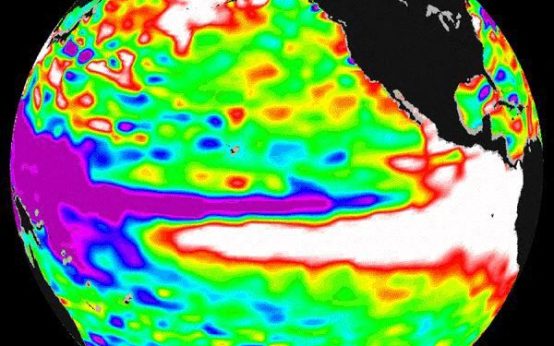 2026 El Niño: A Historical Comparison and Future Projections
  U.S. Records Warmest September in History
 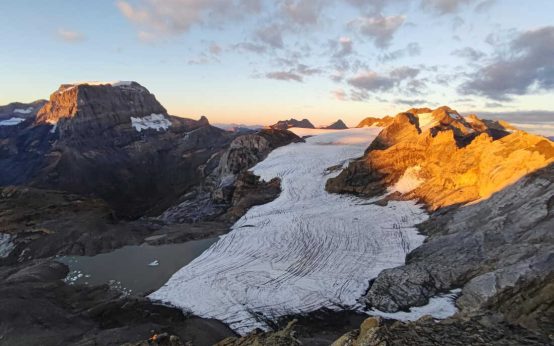 Swiss Glaciers Show Effects of Ice Loss Amid Global Warming
  Climate-Resistant Rock Glaciers: Hidden Water Resources