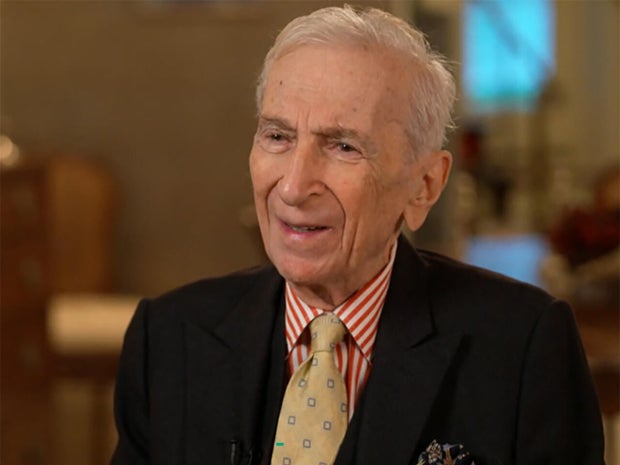
Gay Talese’s 1969 book “The Kingdom and the Power” delved into the inner workings of The New York Times, capturing its power dynamics and family conflicts. Talese, who climbed from copyboy to reporter, took six years to craft this bestseller, a non-fiction piece with the narrative quality of a novel.
Reflecting on journalists, Talese noted, “Most journalists are restless voyeurs who see the imperfections in people and places. The sane scenes that fill most of life do not draw them like tumultuous events do.” He wanted his readers to visualize the stories he narrated.
A figure celebrated and occasionally disputed, Talese’s lengthy career spans around seven decades. Recently, the New York Public Library acquired his archives. Talese recalled his first article for The New York Times focused on the building’s iconic sign, which displayed headlines in large letters. Few considered the tasks of the electrician responsible for those lights, but for Talese, the people behind the scenes were critical.
He aspired to illuminate the lives of those unnoticed, driven by an ambition to make them known. Robert Boynton, a journalism professor, acknowledged Talese’s insatiable curiosity, which led him to interact with everyone from construction workers to celebrities.
By 1965, magazines thrived with advertisements and engaging stories. Esquire, under Harold Hayes, became a platform for storytellers like Norman Mailer and Tom Wolfe alongside Talese. Talese was tasked with writing about Frank Sinatra, resulting in the famous 1966 article “Frank Sinatra Has a Cold.” Despite Sinatra’s refusal to talk, Talese interviewed over a hundred people around him, creating an article renowned for its depth.
“Sinatra with a cold is Picasso without paint, Ferrari without fuel. A common cold robs Sinatra of his voice, affecting not only him but those around him.”
Boynton described Talese’s cinematic approach to writing as innovative during an era dominated by more straightforward publications. Talese himself didn’t predict the impact of his Sinatra article, considering it one among many strong pieces he authored, like stories on Joe DiMaggio and other figures.
In profiling Joe Louis, Talese demonstrated what he termed “the art of hanging around,” gaining subjects’ trust through prolonged observation. Boynton encourages students to be “Talesian,” emphasizing thorough research and persistence.
Talese’s work demanded the right attire, whether reporting on the Verrazzano Bridge in a suit or embedding himself with nudists for “Thy Neighbor’s Wife.” His adaptability allowed him to embrace the environments he covered.
Talese and his wife, Nan—an esteemed editor—have been married for 67 years. Their marriage remains a subject Talese promises to address in his future work, although he acknowledges the book is ongoing. At 94, Talese battles Parkinson’s but aspires to match his past achievements, content with a career marked by integrity.
For more: Gay Talese’s official website offers insight into his works, including “A Town Without Time,” chronicling New York’s iconic characters. Journalism professor Robert Boynton reinforces Talese’s influence on the field.
 Fox News Leads in Viewership Ahead of 30th Anniversary
 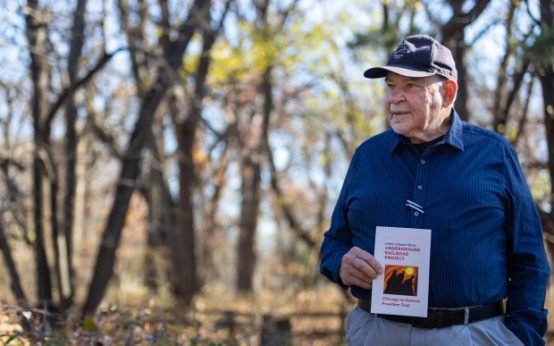 Midwest Underground Railroad Network Gains National Recognition
  Art Collective Critiques Administration with Mall Installation
 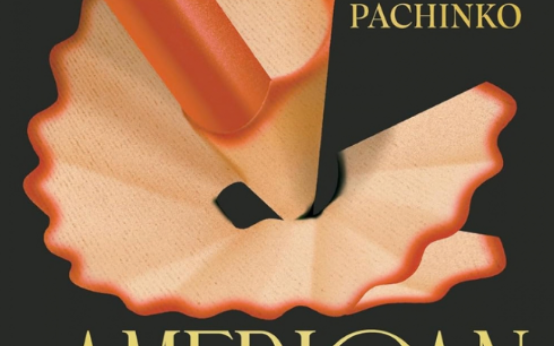 American Hagwon: A Tale of Family and the Korean Diaspora
 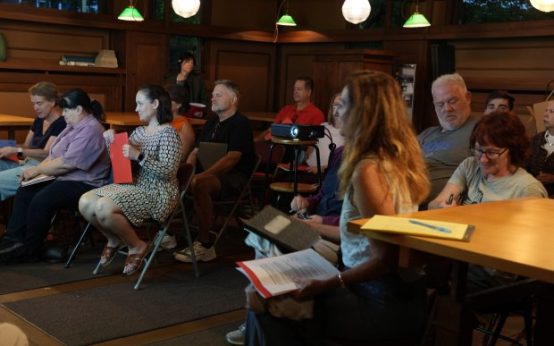 Volunteer Enthusiasm Shines at Frank Lloyd Wright Home and Studio
 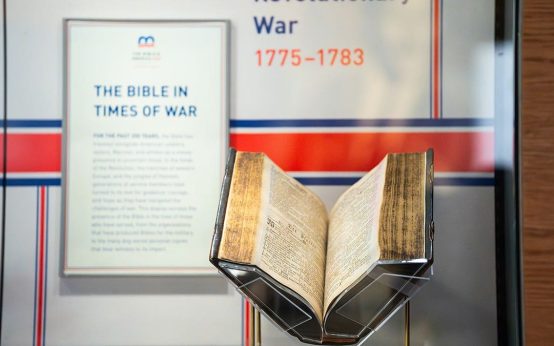 Bible’s Role in Times of War