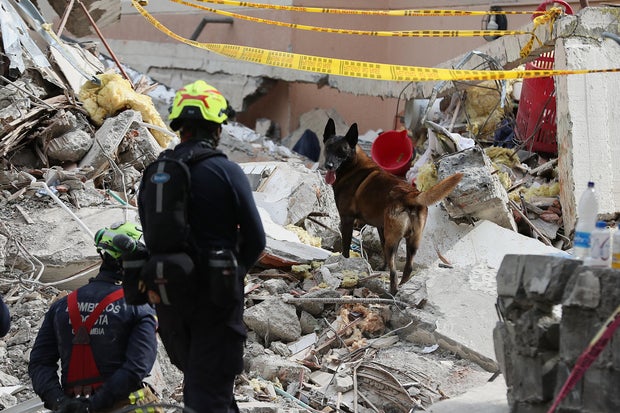
In Colombia, rescue teams are conducting final efforts to locate survivors of a devastating earthquake. The powerful 7.4 magnitude quake struck, marking it as the most severe to hit Colombia this century. The disaster claimed 265 lives, injured nearly 3,500, and left around 500 missing. Civilian databases indicate higher numbers with over 4,100 people unaccounted for. President Abelardo de la Espriella shared that approximately 26,000 families have been impacted.
In cities like Cali and Pereira, emergency crews have been working tirelessly. Using cranes, dogs, and even their hands, they searched through debris without halting to rest but to catch possible signs of life. As the crucial 72-hour window since the quake approached its end, the chance of finding survivors diminished.
A resident of Cali, Martha Perez, expressed hopelessness as her relatives remained trapped. Numerous citizens in Cali and beyond hold onto hope for discovering live survivors. Cali’s Mayor Alejandro Eder indicated the rescue operation has reached its final stage.
“We will do what is necessary,” President de la Espriella assured, declaring the disaster an ‘economic emergency’ and announcing three days of national mourning. His commitment to restoring the country as a society was firm.
The earthquake resulted in over 11,000 destroyed homes, displacing thousands, according to official estimates. Images reveal civilians and responders united in rescue missions amidst the destruction.
Community Response and Ongoing Challenges
Special attention was drawn to a collapsed site in Pereira where there might be signs of life from a street vendor named Pablo Loaiza. His potential survival beneath the rubble gave hope to waiting relatives. His niece, Sara Loaiza, displayed anguished anticipation when vibrations suggested Pablo might be alive.
The community maintained silence regularly, allowing rescue workers like Johana Sanchez to detect any signs of life beneath the debris. Three individuals have been successfully retrieved alive, while three others were recovered deceased.
Numerous families have camped outside due to damaged homes or fear of aftershocks. In townships like Roldanillo, individuals like Yuliana Mendez face reestablishing their lives from the debris of damaged businesses.
In Providencia, families retrieved belongings from insecure buildings, grappling with uncertain futures. Ana Paulina Crosthwaite, a lawyer, admitted to the unpreparedness of facing a fresh start.
Communities across Colombia mobilized, delivering essential supplies and forming queues at blood donation centers. Residents like donor Ferney Cabrera emphasize the importance of supporting one’s community locally and nationwide.
International Aid and Support
The United States has committed $15.5 million in emergency assistance to Colombia. Additionally, the European Union pledged two million euros in support. The global response brings crucial resources to the region in distress.
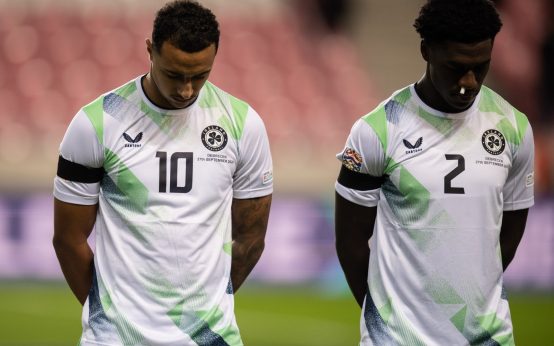 Ireland vs Israel: Nations League Clash Amidst Political Tension
 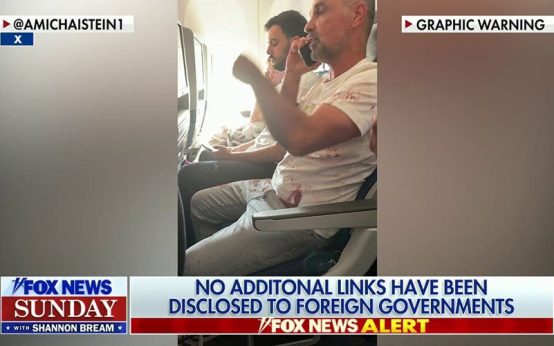 Fox News Report on FlyDubai In-Flight Incident
  Moose Street Brawl in Colorado Caught on Video
 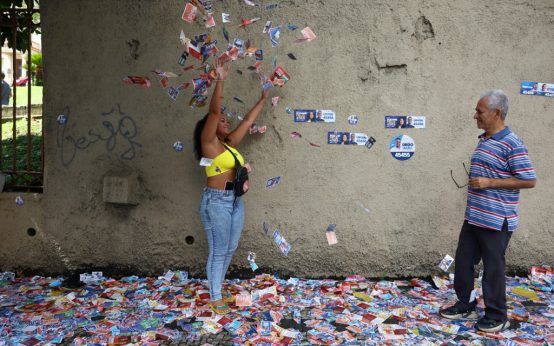 Brazilians Vote in Crucial Presidential Election
  U.S. Military Enhances Arctic Defense Readiness with Tundra Merlin
  Search Continues for Missing Michigan Woman Lynette Hooker