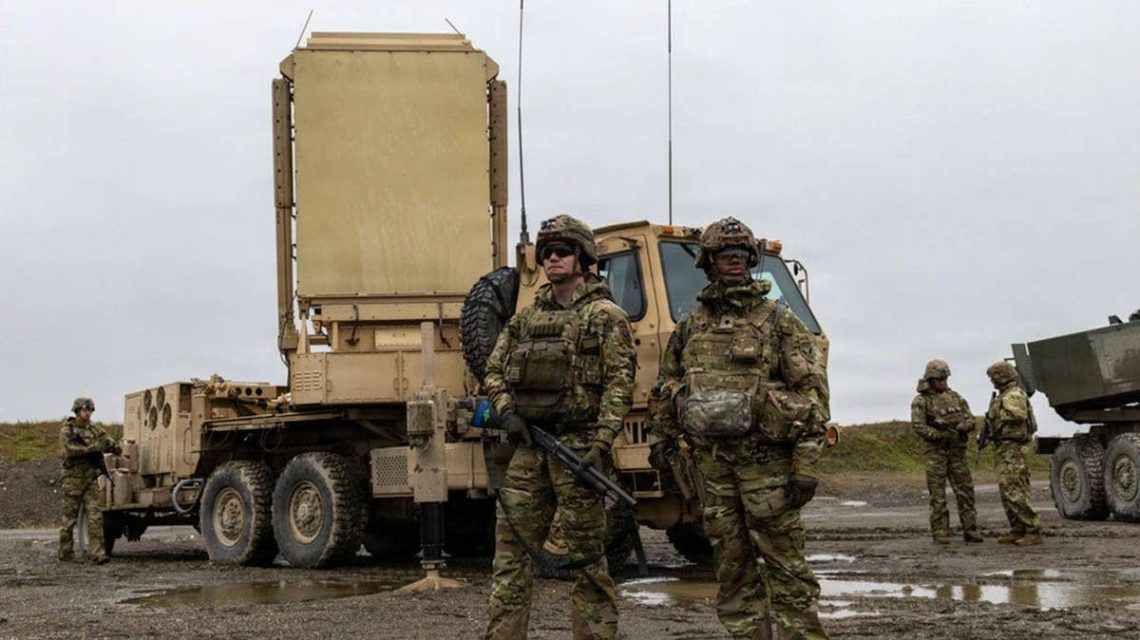
Across the remote and cold expanse of Alaska, American forces are honing their combat skills on land, sea, and air. Exercises under Tundra Merlin showcase rapid mobilization of rocket systems, F-35s, F-16s, and coordination with Canadian warships in the Bering Sea. This ongoing U.S. military campaign is pivotal in demonstrating the capability to assemble combat power swiftly in defense of northern territories.
Behind these efforts lies a shifting security climate influenced by Russia and China. The melting Arctic ice has increased accessibility, fueling both commercial and military activities. Lt. Gen. Robert Davis of the Alaskan Command highlights these factors as central to rising tensions. The Pentagon’s Arctic Strategy warns of growing Russia-China cooperation, urging enhanced U.S. presence and preparedness as Arctic areas become more accessible.
Alaska, straddling the Arctic and Pacific, is crucial for homeland defense and projecting U.S. military power. The proximity of Russian and American territories across the Bering Strait underscores the strategic importance of this region. With air bases, missile defense facilities, and a substantial military presence, Alaska forms a vital anchor for U.S. defense strategies.
Lt. Gen. Davis emphasizes the geographic advantage, noting the capability to project military power globally within hours. Tundra Merlin aims to leverage this positioning into actionable combat prowess. The drills allow flexibility and readiness to deter or respond to aggression, as seen in recent operations involving HIMARS rocket systems and radar deployments.
Exercises extended into maritime domains, with U.S. and Canadian forces executing joint strikes north of Dutch Harbor. Maritime and air assets collaborated, sharing real-time intelligence to address potential threats effectively. Davis lauds the cooperation among units and allies, critical for counteracting challenges posed by Alaska’s harsh climate and vast distances.
The Arctic environment demands specialized equipment and training to ensure military efficacy. Davis mentions adjustments needed for operational viability in sub-zero temperatures, vital for enduring and responding to threats. The focus on Arctic readiness aligns with increasing activity from Russian and Chinese forces near North America.
NORAD’s recent encounter with Russian and Chinese bombers in the Alaskan air zone underscores the increasing need for vigilance. While these flights didn’t breach U.S. territory, they signify deeper cooperation that U.S. defense officials are monitoring closely. Davis reassures that current forces are equipped to handle expected threats but suggests additional reinforcements if escalation appears imminent.
Tundra Merlin exemplifies a commitment to overcoming the challenges posed by distance, weather, and geopolitical shifts. Ready to respond swiftly across land, sea, and air, U.S. forces aim to secure the northern frontier against potential adversaries.
Efrat (Effie) Lachter, the article’s author, brings her extensive experience to global conflict reporting. Her work spans over 15 years, tackling human rights, political accountability, and documenting crises worldwide. With notable accolades, Lachter continues to provide insight into complex geopolitical situations.
 FBI Director Kash Patel Announces Engagement to Country Singer Alexis Wilkins
  Sen. Thom Tillis Criticizes Trump’s Administration in New Book
  Metrolink Fare Hike Causes Discontent Among Commuters
  Tragic Shooting at Georgia Homecoming Block Party
  Laura Ingraham Criticizes Democratic Policies on ICE and Immigration
  Moose Street Brawl in Colorado Caught on Video