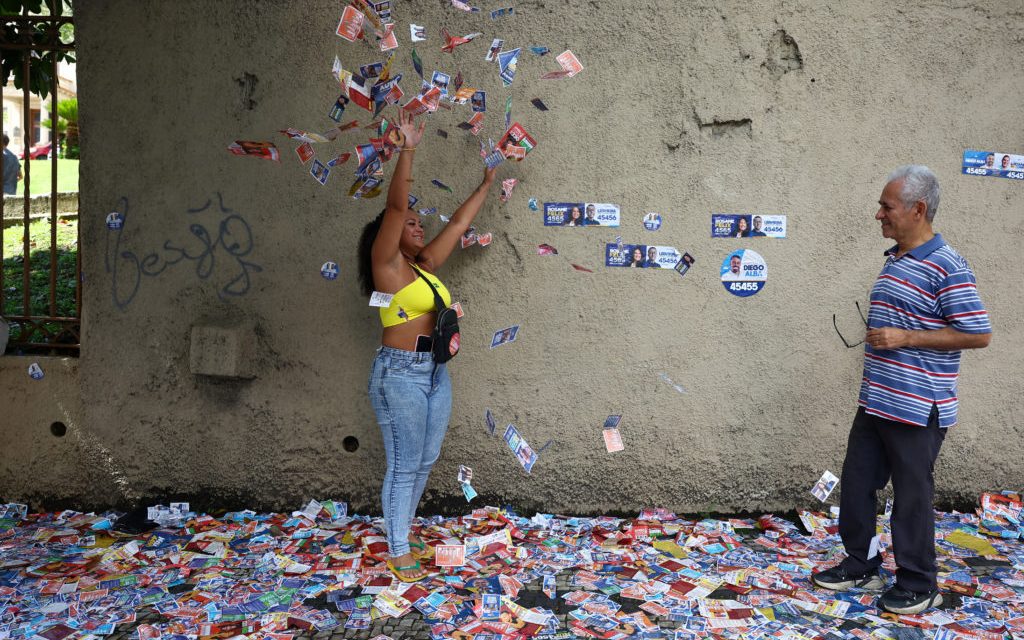
The presidential election in Brazil sees incumbent Luiz Inácio Lula da Silva compete against Sen. Flávio Bolsonaro. Each candidate presents a distinct ideology, and both stand a chance to win outright. If no single candidate secures over 50% of the votes, a runoff between the top two will occur on October 25. This election involves 10 additional candidates who are anticipated to receive fewer votes.
Political Background and Potential Impacts
Flávio Bolsonaro, 45, is closely tied to former President Jair Bolsonaro and aligns ideologically with U.S. President Donald Trump. Conversely, the 80-year-old Lula is running his seventh presidential campaign, having previously strengthened Brazil’s relations with Beijing. There has been increased support for Trump allies in Latin America, including Argentina, Colombia, and Peru.
The election includes over 159 million eligible Brazilian voters. Alongside the presidential race, voters will choose 27 state governors, state legislature members, all 513 federal representatives in the lower house, and 54 of the 81 senators.
Key Supporters and Statements
Lula criticized the U.S. following certain actions by the Trump administration, including imposing tariffs on Brazilian exports and revoking a Brazilian ambassador’s visa. Flávio Bolsonaro emphasizes his relationship with the White House, advocating for improved trade deals, especially in the rare minerals sector.
“Brazil needs change. Brazil can’t stand so much suffering,” Bolsonaro stated while voting in Rio de Janeiro.
State governors and legislators will also be elected. Rosane Wink, a conservative voter, supports Flávio Bolsonaro for his stance on crime. On the other hand, Maria Ribeiro, an Evangelical, voted for Bolsonaro seeking religious expression freedom. Meanwhile, Rosangela Resende da Rocha supports Lula for his social policies, enhancing aid for the disadvantaged.
Challenges Ahead
Political consultant Thomas Traumann notes the significance of avoiding last-minute errors that could sway undecided voters. The polarized environment in Brazil offers no middle-ground candidate, leaving Lula and Bolsonaro as the main choices.
Four years ago, Lula narrowly defeated Jair Bolsonaro. This victory was partly due to dissatisfaction with Jair’s handling of the pandemic, democracy threats, and economic instability.
Currently, Lula faces challenges related to affordability and past corruption scandals. Carlos Melo, a political science expert, highlights that some voters have grown weary of Lula, who seeks a fourth non-consecutive term. Despite being a seasoned politician, Lula’s age is a concern for some voters.
Finally, Bolsonaro, whose campaign has been marked by corruption allegations, faces scrutiny from diverse voter demographics, including Roman Catholics worried about his ties to evangelical groups.
 Search Continues for Missing Michigan Woman Lynette Hooker
 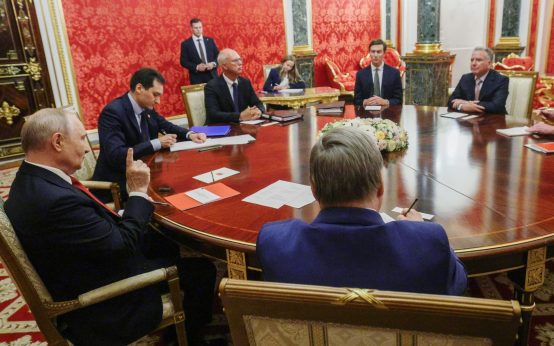 Russia Navigates Pressure and Diplomacy Amid Ongoing Conflict in Ukraine
 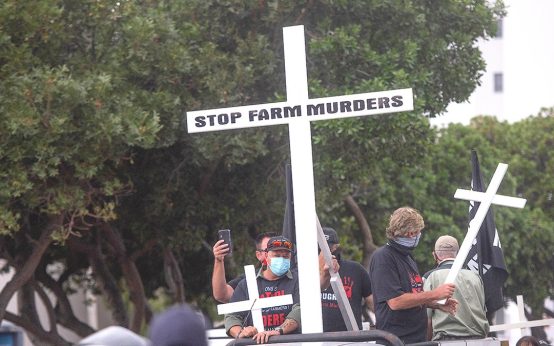 Tensions Rise Between U.S. Ambassador and South African President
  The Threat of Melting Glaciers: A Call to Action
  Police Discover Ancient Roman Artifacts Off Sardinian Coast
 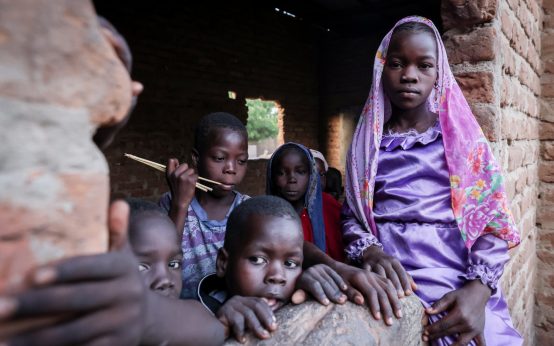 Urgent Need for Action in East Africa’s Food Crisis