Recent Analysis:
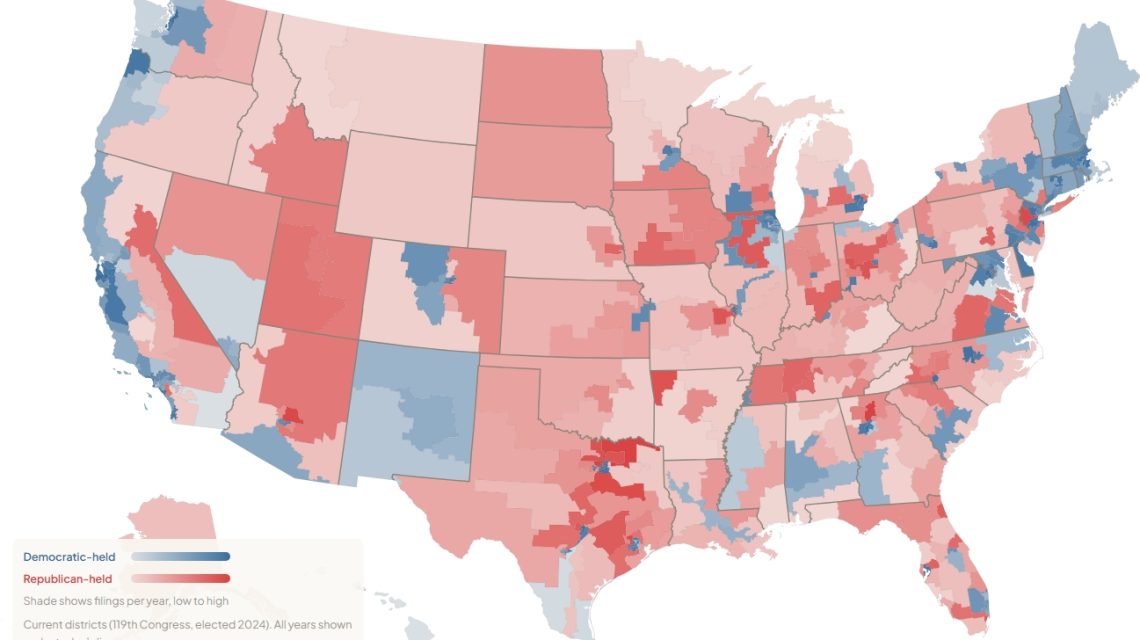
H-1B visa filings have experienced a substantial downturn across the United States from fiscal years 2019 to 2025. However, Republican-controlled suburban districts in Texas have bucked this trend, showing significant growth in applications according to a study by LayoffHedge.
Key Findings:
This study analyzed 6.9 million Labor Condition Applications (LCAs). These applications are required for employers seeking to sponsor foreign skilled workers with H-1B visas. Texas’s growth in H-1B demand is concentrated in eight congressional districts, all represented by Republicans.
LCAs only reflect employer demand and not the final number of visas issued or workers hired.
National Trends vs. Texas Growth:
While fewer than a quarter of the nation’s congressional districts showed growth in LCAs, Texas stood out. Although Democratic-held districts account for most H-1B filings nationally, recent growth has been primarily in a few suburban Texas districts.
For instance, the median Democratic-held district saw a 30 percent decline in filings, whereas Republican-held districts recorded an average 18 percent decline.
Texas’s Remarkable Figures:
– Texas’s Third Congressional District, Keith Self: 242% increase, 1,388 to 4,748 filings
– Texas’s 26th District, Brandon Gill: 217% increase, 2,010 to 6,374 filings
Other districts, such as the 31st, 10th, 22nd, 8th, 21st, and 4th, have experienced similar gains in LCA filings.
Texas Specifics:
– Representative John R. Carter’s District 31: 145% increase
– Michael T. McCaul’s District 10: 126% increase
– Troy E. Nehls’s District 22: 69% increase
– Morgan Luttrell’s District 8: 58% increase
– District 21 with Chip Roy: 48% increase
– District 4, under Pat Fallon: 47% increase
Note: Some representatives began serving after the filing period, such as Brandon Gill (2025) and Morgan Luttrell (2023).
H-1B Visas Explained:
H-1B visas permit U.S. employers to hire foreign workers for specialized positions, generally needing a bachelor’s degree or equivalent. Predominant fields include software engineering, IT, healthcare, finance, engineering, and research.
Federal Challenges:
The Trump administration imposed several restrictions on H-1B visas, shifting lottery preferences to high earners, implementing biometric fees for extensions, and examining the grace period for laid-off immigrants. Some elements, like a proposed $100,000 fee, faced legal challenges.
Governor Greg Abbott has halted new H-1B petitions by Texas state agencies and universities, effective until May 31, 2027, pending approval from the Texas Workforce Commission.
 The Trump Team’s Challenge to the Military Leadership
  Maryland First State to Restrict Electronic Pricing in Grocery Stores
  Activists Push for Nationwide Ban on Child Marriage in the U.S.
  Democratic Hopes and Historical Warnings in 2026 Senate Race
  Republicans Face Challenges Amidst Cost of Living Concerns
  A Different Kind of Fall for Congress This Year