
On August 10, outside Russia’s Supreme Court in Moscow, Nikolai Rybakov, chairman of the Yabloko party, was seen greeting supporters. This event highlights a significant issue: the exclusion of the only major anti-war political party from participating in the electoral process.
Since the full-scale invasion of Ukraine commenced in February 2022, Russian leader Vladimir Putin has maintained that the military initiative, referred to as a “special military operation” by official state sources, receives massive public endorsement. According to him, the supposed approval of the majority of Russian citizens demonstrates a unified national backing for the conflict.
This narrative contrasts sharply with the Kremlin’s actions, such as barring the Yabloko party from the ballot. This exclusion seems to suggest otherwise, as it restricts the expression of dissenting views and questions the authenticity of the claimed widespread support.
The inconsistency between the Kremlin’s statements and its actions may indicate a gap in the authenticity of the reported public sentiment. The presence of anti-war sentiments, represented by political entities like Yabloko, challenges the image of unanimity portrayed by the government.
Efforts to exclude dissenting political voices from the electoral process have not gone unnoticed. The broader implications of such actions impact the political landscape and the credibility of democratic processes in Russia.
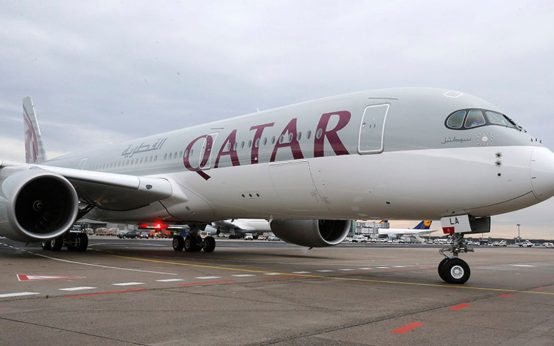 In-Flight Altercation on Qatar Airways Leads to Police and FBI Response
 Mayor Mamdani’s Policing Reform Plans
 Virginia Residents Sue Over Alleged Immigration Violations
 Gen Z Voter Shifts and Their Impact on the 2026 Midterm Elections
 Disappearance of US Senate Candidate Raises Questions
 DOJ Rule Change Reduces Appeal Time for Immigrants Facing Deportation