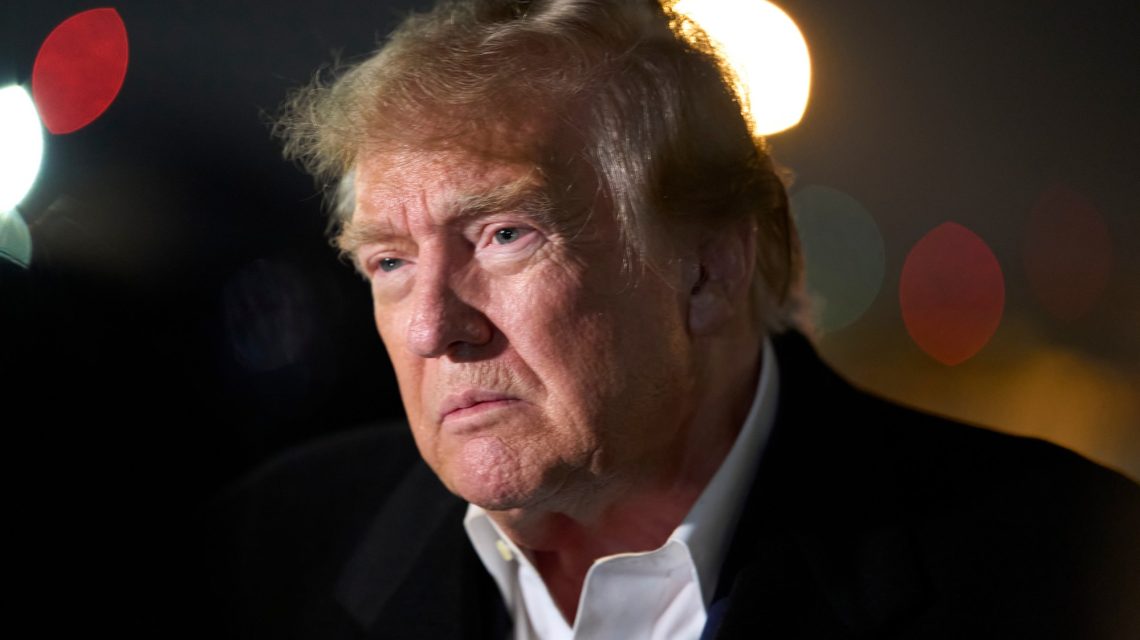
President Donald Trump has faced mounting political challenges. Over recent weeks, he has shown signs of recognizing his shortcomings, particularly regarding inflation and his selection of Senate candidates. Despite this awareness, these issues now appear difficult to rectify.
The Republican Party confronts potential losses in both the Senate and the House of Representatives. Previously, losing control of the Senate seemed improbable. However, emerging data now suggest a different scenario.
Republicans held a significant structural advantage. Even if they had lost in Maine and North Carolina, historical margins in key states seemed secure. Yet, the RealClearPolitics averages underline a shift. Democratic candidates are ahead in previously competitive and Republican-favored states, such as Ohio, Alaska, and Texas.
The Senate’s final party balance remains uncertain. Depending on undecided voters’ leanings, outcomes could range from a slight Republican majority to a notable Democratic win. Current analyses depict varying projections, yet Democrats show a potential edge.
Undecided voters, particularly those previously supporting Trump, hold the power to sway outcomes. For example, in Ohio, candidate Sherrod Brown (D) leads over Jon Husted (R), but Husted needs a large share of undecided voters to secure victory.
Texas presents a slightly brighter picture for Republicans. Democratic Rep. James Talarico leads slightly against Republican Ken Paxton. Despite narrower margins suggesting closer contests, the polls reflect broader national discontent. Trump’s approval ratings are significantly negative, adding to Republican concerns.
The possibility of systemic errors in polling remains. However, even a favorable polling shift for Republicans may not prevent Democratic leads in crucial races. Maintaining control of even 50 to 51 seats might prove challenging.
Predictable candidates, regional dynamics, and voter sentiments also play crucial roles. Michigan’s Abdul El-Sayed and Maine’s Troy Jackson represent weak Democratic candidates facing seasoned Republican opponents. However, the Republicans’ Senate majority uncertainty itself signals a rebuke to the party, questioning their current stance.
Moving forward, a constricted Republican Senate majority faces instability with senators like Lisa Murkowski, Rand Paul, and John Fetterman influencing dynamics. With President Trump’s potential plans to seek re-election occupying discussions, political tensions are set to intensify, irrespective of election results.
Keith Naughton, a political strategist and co-founder of Silent Majority Strategies, shares his insights through his Substack journal, “Betting On Politics.”
 Mayor Mamdani’s Policing Reform Plans
 Gen Z Voter Shifts and Their Impact on the 2026 Midterm Elections
 Disappearance of US Senate Candidate Raises Questions
 DOJ Rule Change Reduces Appeal Time for Immigrants Facing Deportation
 Hakeem Jeffries’ Bid for House Speaker Faces Progressive Hurdles
 Ohio Judge Dismisses Defamation Lawsuit by Rep. Max Miller