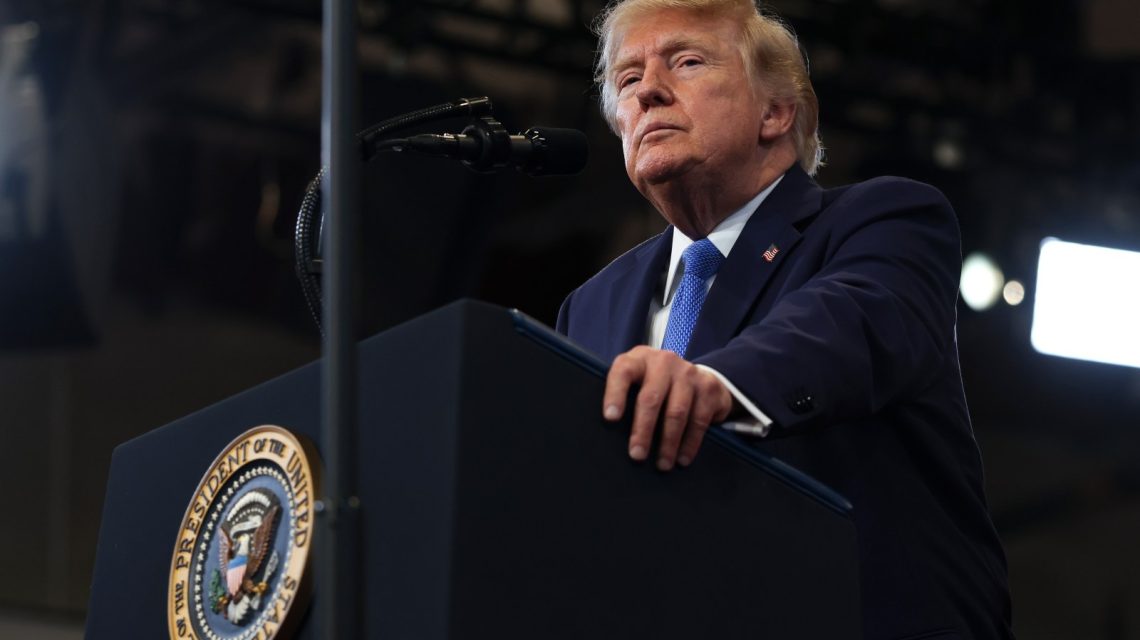
President Donald Trump is advocating for an end to America’s twice-yearly clock changes, pushing the Senate to pass legislation that would make daylight saving time permanent. In a Truth Social post, Trump urged the Senate to support the “NO MORE CHANGING THE CLOCKS ACT,” arguing that more daylight during evening hours could aid in crime reduction. He criticized the current practice of adjusting clocks twice a year.
The initiative follows the House’s passage of the Sunshine Protection Act, H.R. 139, with a bipartisan 308-117 vote on July 14. This bill aims to make daylight saving time permanent across most parts of the country.
Next Steps for the Legislation
H.R. 139 reached the Senate on July 15 and was referred to the Senate Commerce, Science and Transportation Committee. The Senate is on recess, scheduled to return on September 14. The bill could pass by unanimous consent if no senator raises objections. However, if objections arise, advancing the legislation would generally require 60 votes to overcome a filibuster and proceed to a final vote.
There is some opposition to the bill. Senator Tom Cotton, a Republican from Arkansas, has voiced concerns against permanent daylight saving time, highlighting the risk of darker winter mornings for children and workers in certain regions. Cotton spoke critically of the Sunshine Protection Act on the Senate floor in October 2025.
Other senators opposing permanent daylight saving time include Republicans Ted Budd, Deb Fischer, Jerry Moran, Tim Sheehy, Dan Sullivan, Roger Wicker, and Todd Young, alongside Democrats Lisa Blunt Rochester, Tammy Duckworth, Amy Klobuchar, Gary Peters, and Jacky Rosen, as reported by CBS News. Newsweek reached out to Cotton’s representatives for comments on Sunday.
Timetable for Action
The current House-passed version of H.R. 139 does not specify a delayed effective date. Should the Senate pass the bill unchanged and President Trump signs it before November 1, it could negate the scheduled return to standard time, solidifying daylight saving time permanently.
This scenario provides the Senate with a 48-day window after returning from recess to act. Any amendments to the bill could tighten this timetable, as the House would then need to reconsider the Senate’s modifications. If the Senate fails to pass the legislation on time, the current law persists, moving clocks back one hour on November 1.
Trump’s Motivation for Advocacy
Trump has consistently called for an end to the biannual clock changes. In April 2025, he urged Congress to secure “more Daylight at the end of a day,” advocating for the popular measure. The House vote opens a new avenue for him to champion the issue, gathering bipartisan support. Additionally, the push might present Trump with a chance to address a popular concern ahead of the midterms. Trump has also suggested that passing the Sunshine Protection Act could decrease murder and robbery rates.
The proposal has sparked debate among lawmakers about which time should be permanent. Proponents argue for more usable evening light with permanent daylight saving time, whereas opponents, like Cotton, caution about unintended consequences such as dark winter mornings.
The Senate has previously moved quickly on this subject. In March 2022, an earlier version of the Sunshine Protection Act passed through unanimous consent in the Senate, but stalled in the House without a final vote. Currently, with the House already acting, the question remains if the Senate will proceed before the scheduled clock change.
Understanding Daylight Saving Time
In much of the United States, daylight saving time starts on the second Sunday in March, when clocks move forward by one hour at 2 a.m., shifting daylight from morning to evening. It ends on the first Sunday in November, when clocks revert to standard time.
Federal law governs this practice, though states and territories are not mandated to observe it. Hawaii and most of Arizona do not participate, although the Navajo Nation in Arizona does. Several U.S. territories, including Puerto Rico, Guam, and the U.S. Virgin Islands, remain on standard time year-round.
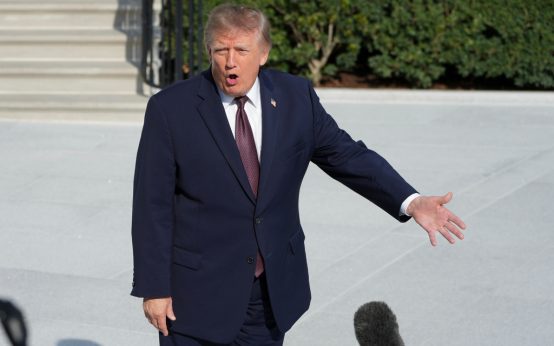 Trump’s Use of Public Funds for Political Ads Sparks Controversy
  Dennis Hastert’s Legacy: From Political Leader to Controversy
  Tensions Within the Trump Administration Highlighted by Policy Reversals
  Democrats Hold Advantage Before Midterms, But Voter Sentiment Is Complex
 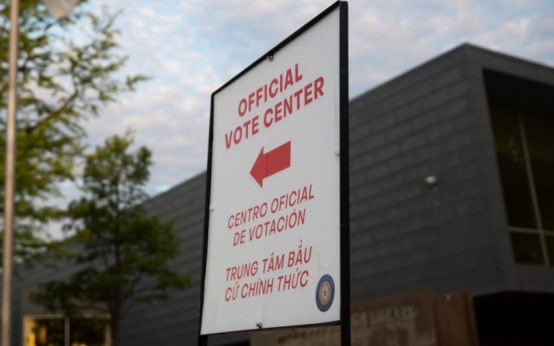 Democrats Strategize As Midterm Elections Approach
 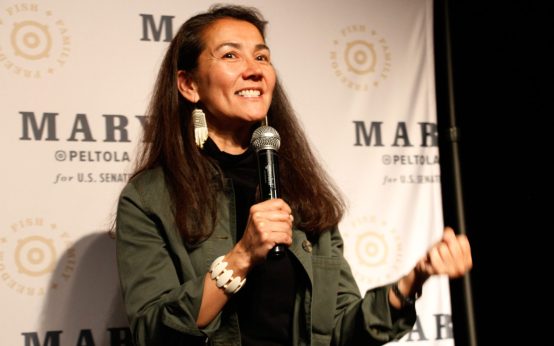 Mary Peltola Emerges as Leading Candidate in Alaska Senate Race