Introduction of New Legislation
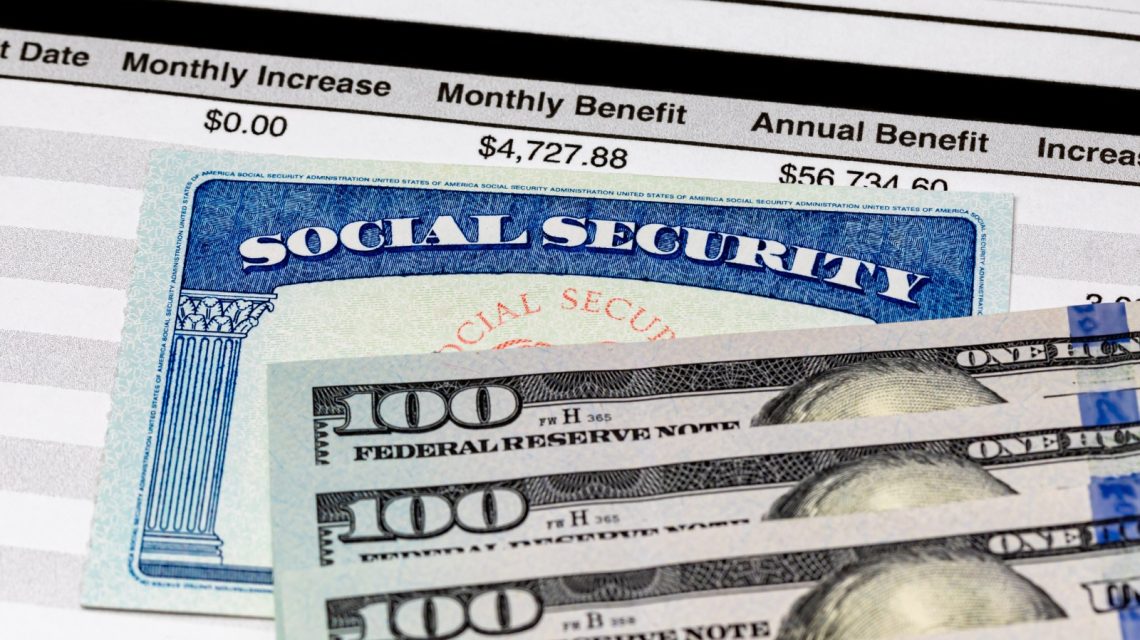
Millions of Americans could soon see new protections for their Social Security benefits if a proposed bill by Senator Bernie Sanders is enacted. This legislation aims to prevent the federal government from seizing Social Security payments to collect on defaulted federal student loans.
Details of the Bill
Senator Sanders, an independent from Vermont and ranking member of the Senate Health, Education, Labor and Pensions Committee, introduced the Stop Social Security Garnishment Act of 2026. Democratic Senators Elizabeth Warren and Ed Markey of Massachusetts are cosponsors. The bill proposes amending federal higher education law to prevent offsetting payments made under the Social Security Act due to federal student loan defaults. The protections extend to older Americans and those receiving Social Security Disability Insurance.
“In the richest country in the history of the world, no senior should have their Social Security payments taken away from them to pay back student debt,” Sanders stated when announcing the proposal.
Background on Student Loan Defaults
Student loan defaults have reached a record high. Data from the Associated Press indicate that about 9.5 million borrowers, over one in five of all federal student loan borrowers, were in default as of March. Approximately $233.3 billion of the total $1.7 trillion in federally backed student loan debt is defaulted.
Elderly Americans carry a significant portion of this debt. According to CNBC, nearly 9.6 million borrowers aged 50 and older owe close to $457 billion in student loans. An analysis by the Consumer Financial Protection Bureau in 2025 suggested around 452,000 borrowers aged 62 and above had defaulted on student loans while likely receiving Social Security benefits.
Government Collection Methods
Federal student loans enter default after 270 days of missed payments. If unresolved, the government has extensive collection powers, exceeding those of private creditors. Through Administrative Wage Garnishment, the Education Department can demand withholding up to 15% of a borrower’s disposable pay. The Treasury Offset Program can intercept federal payments, such as tax refunds and some Social Security benefits, to recover delinquent debt.
Current laws allow the withholding of up to 15% of certain Social Security benefits, but a statutory threshold protects $750 monthly since the 1990s. Before the suspension of student loan collections due to the pandemic, Social Security offsets increased sharply, with the number rising from 6,200 in 2001 to 192,300 in 2019.
In 2019, the average yearly amount collected from Social Security offsets was $2,232, equating to $186 per month. Around 37% of Social Security beneficiaries with student loans rely on their benefits for at least 90% of their income. Many beneficiaries in collections skipped doctor visits or went without prescriptions due to costs.
Recent Surge in Defaults
The current wave of defaults followed the end of pandemic-related protections. Federal student loan payments resumed in 2023, with a one-year “on-ramp” period protecting borrowers from certain consequences of missed payments. After the on-ramp ended in fall 2024, defaults began increasing again from June 2025 onward.
The number of borrowers in default surged from about 5.3 million in June 2025 to 9.5 million by March 2026. Additional changes, including the discontinuation of the Biden administration’s SAVE income-driven repayment plan, have complicated repayment processes.
Current Government Actions
The federal government has not enacted the involuntary collections targeted by Sanders’ bill. In January, the Education Department announced a temporary delay on both wage garnishment and treasury offsets while implementing repayment changes from President Donald Trump’s tax and spending law. This delay aims to grant defaulted borrowers time to explore new repayment options, consolidate loans, or pursue loan rehabilitation.
Sanders’ bill seeks to permanently protect Social Security payments when the debt in question is a federal student loan.
Next Steps for the Legislation
Sanders announced the legislation on August 17, but as of now, it lacks an assigned Senate bill number, marking its early stage in the legislative process. The bill must pass through Congress and receive approval from both the Senate and House before reaching the president.
Contact Newsweek editors on this story: Ben Kelly and James Debens
 Lake County Kicks Off Early Voting with High Turnout
  Councilwoman Mary Brown’s Legacy in Gary
  Understanding the Rising Support for White Nationalism Among Young White Men in the U.S.
  Shifting Odds in Senate Races Favor Democrats
  Trump’s Interpretation of French Protests
  Kamala Harris Faces Questions on 2028 Presidential Bid